

What's Ahead
Walk down the plumbing aisle at any home improvement store, and you’ll find dozens of products promising an easy, affordable fix. Some of them work exactly as advertised. Others are the reason our technicians get called back out to a house six months after a “quick fix” was installed.
We get asked all the time which products are worth buying and which ones to avoid. So instead of waiting for you to find out the hard way, we asked our own technicians, the people who see the inside of these repairs every single day, to tell us honestly what they steer customers away from and why.
“We don’t necessarily avoid products because they’re inexpensive. We avoid products that sacrifice reliability, serviceability, parts availability, or protection of the home.”
That’s the standard our team holds every product to, whether it costs five dollars or five hundred. In this article, we’ll walk through the plumbing products our technicians steer customers away from most often, exactly why each one causes problems, and what we’d install instead, so you can shop smarter and avoid paying for the same repair twice.
Why We're Telling You Which Plumbing Products to Avoid
We’d rather you hear about a product’s downsides from us now than discover them after the damage is done. That’s why we ask our technicians to be upfront about what they’d install in their own home, and just as upfront about what they wouldn’t. If a product is going to cause problems down the road, whether it’s a slow leak behind a wall or a sump pump that fails during a storm, you deserve to know that before it’s installed in your home.
Products That Lead to Clogs, Backups, and Corrosion
Flushable Wipes

Despite the label, most “flushable” wipes don’t break down like toilet paper. They hold together as they move through your pipes, catching grease and debris until they cause a blockage, either in your home’s line or further down in the sewer system. It’s one of the first things our technicians check when a toilet or main line backs up.
Slinky (Accordion) Traps
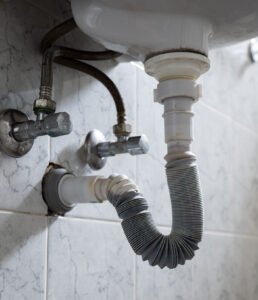
These flexible, expandable traps are popular because they’re easy to fit under an oddly shaped sink. The problem is the accordion shape itself: every ridge is a place for food, grease, and hair to catch, and once buildup starts, it’s hard to clean out completely. We don’t recommend them under kitchen or bathroom sinks.
Chemical Drain Cleaners
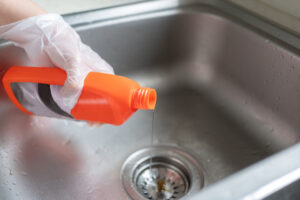
Chemical drain cleaners are harsh on plumbing and genuinely dangerous to handle. A bottle feels like the fastest fix for a slow drain, but according to the National Capital Poison Center, many contain corrosive chemicals like sodium hydroxide and sulfuric acid that can cause serious burns on contact with skin or eyes. They also treat the symptom, not the cause, so the same clog often comes back within weeks.
In-Tank Toilet Cleaning Tablets
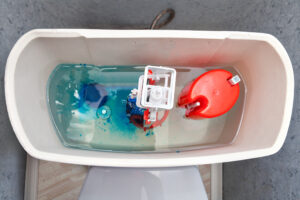
Drop-in tablets that clean your bowl with every flush sound convenient, but the same chemicals also break down the rubber seals, flappers, and gaskets inside your tank over time. That’s a common, preventable cause of the running toilets and slow tank leaks we get called out for.
Valves and Fittings That Are More Likely to Leak
Saddle Valves
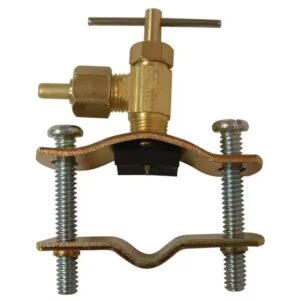
Saddle valves have a well-earned reputation for leaking, and we don’t install them on drain, water, or gas lines. They tap into a pipe by drilling a hole or piercing it with a needle-like tube, then clamping the fitting down with screws, which is exactly why they show up so often on ice makers and humidifiers. As one industry inspection resource explains, saddle valves aren’t approved under most plumbing codes, and every time you operate one, the risk of a leak goes up. We recommend replacing any you find with a properly installed shutoff.
Builder-Grade Compression Valves and Supply Stops
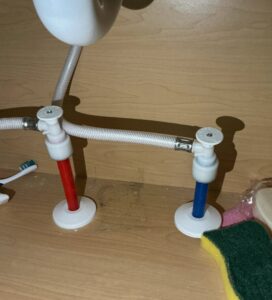
Cheaper, builder-grade compression stops are prone to leaking at the connection, and the fix usually isn’t simple. The valves under your sink or toilet look simple, but not all of them are built the same. Because the fitting is permanent, a leaking supply line often means replacing the entire stop instead of just the line. That turns a five-minute repair into a bigger job.
Push-to-Connect Fittings for Permanent Repairs
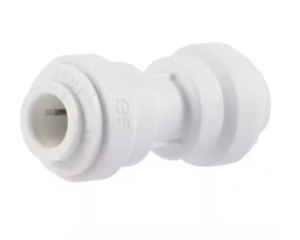
Push-to-connect fittings are a legitimate option for quick, accessible, temporary repairs, but we don’t recommend them for permanent or concealed installations. They’re the kind you simply push onto a pipe, no soldering or gluing required, and that convenience is exactly why they’ve become so popular. Where we draw the line is using them inside walls or floors, where a failure can go unnoticed until real damage is done. For long-term reliability, our technicians favor properly installed copper or PEX connections, built to stay sealed for decades rather than years.
Universal Repair Kits and Parts
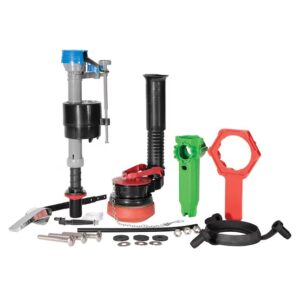
“Universal” sounds like a guarantee that a part will fit, but fitment and build quality vary widely across these kits. A part matched to your specific fixture, or an OEM replacement, is far more likely to seal the first time properly, and far less likely to bring us back for the same leak.
Hydro Backup Sump Pumps: A Product We Don't Recommend
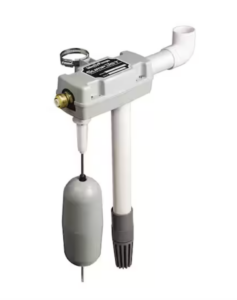
Hydro backup sump pumps carry two serious risks: they fail if your downspouts are clogged, and they can cross-contaminate your water if the check valve fails. These systems use your home’s water pressure instead of a battery to power a backup pump, which sounds like a clever solution for power outages, but it trades one point of failure for two. A clogged downspout means the system can’t do its job and your basement floods anyway. A failed check valve means fresh water and wastewater can mix inside your home. We’d rather see homes protected with a properly sized battery backup system and a clear, well-maintained downspout drainage system, which avoids both failure points entirely.
Faucets and Shower Valves From Unfamiliar Brands
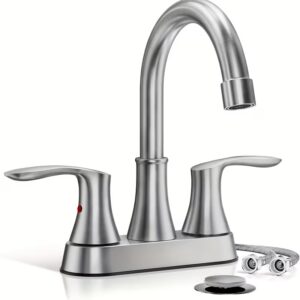
A faucet or shower valve from a brand you don’t recognize can work fine on day one, but replacement parts can be difficult or impossible to find later. These products, often sold through online marketplaces, can look just as polished in photos as anything else on the shelf. The problem shows up later, when a cartridge, aerator, or supply hose needs to be replaced, and the exact part simply isn’t sold anywhere. What should have been a simple repair turns into replacing the entire faucet.
The same issue with shower valves is a bigger concern, because that valve is installed inside the wall. If the internal cartridge or components become unavailable, even a minor repair can mean opening up the wall to replace the entire valve body. That’s a far more invasive, more expensive job than it needs to be.
What This Means When You're Choosing Plumbing Products
Reliability, serviceability, and parts availability matter more than the price tag on the shelf. None of this means the cheapest option is always the wrong one, or that every convenient product is a bad idea. It means it’s worth asking a simple question before you buy: if this part fails or needs a replacement piece in five years, can it actually be repaired?
If you’re not sure whether something already installed in your home falls into one of the categories above, that’s exactly the kind of thing our technicians check during a routine visit. We’ll walk you through what we find and why, the same way we have with every product on this list, so you can make an informed decision about your own home. For a closer look at how a visit works, read What to Expect During a Plumbing Service Visit or see our Eco Guarantees for how we stand behind every job.
Have a question about a specific product in your home? Schedule a visit with one of our licensed plumbers, or send us a message on Facebook and we’ll help you figure out what you’re working with.
FAQs
How can I make sure a contractor isn't installing one of these products in my home?
When you're getting quotes for a repair, it's fair to ask what brand or type of parts a contractor plans to use and why. A reputable plumber should be able to explain their reasoning, whether that's code compliance, long-term reliability, or parts availability, rather than defaulting to whatever is fastest or cheapest to install.
Could a real estate inspection catch one of these products before I buy a home?
Sometimes, but not always. A general home inspector may not flag something like a saddle valve or a builder-grade supply stop unless it's actively leaking. If you're buying an older home, it can be worth having a licensed plumber do a separate walkthrough focused specifically on the plumbing system.
Does homeowners insurance typically cover damage from one of these products failing?
It depends on your policy and the cause of the damage. Sudden failures, like a supply line bursting, are often covered, while damage from a slow leak that went unnoticed for a long time may not be. It's worth reviewing your policy's language on gradual damage and talking to your insurance agent if you're unsure.
Why do stores still sell products that plumbers don't recommend?
Retailers stock what's popular, affordable, and easy for a DIYer to install, which isn't the same as what holds up best over time. Products like saddle valves are still sold on store shelves even in areas where they aren't approved for use by local plumbing code, since what a store can sell isn't regulated the same way an installation is.
How can I tell whether my sump pump has a hydro backup or a battery backup?
A hydro backup system connects to your home's water supply line and has no battery to check or replace. A battery backup system includes a battery, usually visible near the pump, that needs periodic testing and replacement. If you're not sure which one you have, a technician can identify it during a routine visit.