

Let’s talk real for a minute. When your kitchen sink starts gurgling or water pools around your ankles in the shower, nobody calls a town hall meeting. You reach under the cabinet, grab a rubber plunger, or head straight to the hardware store for a plastic bottle of toxic sludge burner. You think to yourself, “I’m pretty handy, I can fix this blockage in five minutes and keep cash in my pocket.”
That exact thought process is how a small nuisance explodes into a massive plumbing bill overnight. Taking matters into your own hands sounds great when building flat-pack bookshelves, but household pipes are far more temperamental than they look from the outside.
Comparing DIY vs professional drain cleaning isn’t merely about saving an afternoon. It’s about keeping your entire sanitation system from collapsing from the inside out. Before you throw on rubber gloves and turn your bathroom into an amateur chemical lab, let’s look at seven hidden traps lurking inside your walls that most homeowners overlook.
1. Corrosive Chemical Destruction Inside Piping
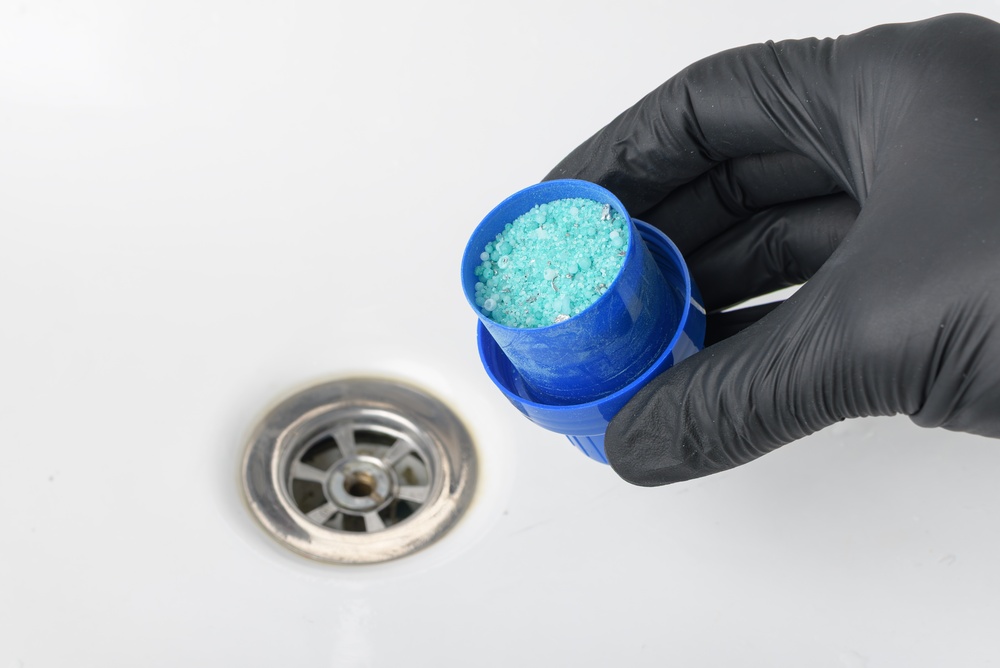
Store-bought liquid cleaners promise rapid fixes right on the label, but they conceal a nasty habit. These harsh products rely on concentrated sodium hydroxide or sulfuric acid to cook whatever sits in your trap, generating massive heat directly inside your plumbing line.
- Plastic PVC Lines: Heavy heat distorts soft plastic joints until pressurized leaks burst behind your drywall.
- Metal and Galvanized Pipes: Acid eats straight through old iron, carving micro-fractures and internal rust deposits that weaken whole sections of pipe.
2. Physical Pipe Damage From Rigid Mechanical Snakes
Hand-cranked clearing cables look innocent enough on store shelves, but using them without formal training routinely destroys structural fixtures.
- Cracked Pipe Bends: Rigid steel heads slam into tight curves rather than sliding around them, punching holes straight through pipe walls.
- Trapped Steel Cables: Thin coils twist into knots inside narrow lines, snapping off and creating a solid metal obstruction that requires tearing down walls to extract.
3. Severe Personal Health and Chemical Safety Hazards
Commercial drain products do not care what they destroy. If liquid splashes back while you pour, it causes deep chemical burns on exposed skin within seconds. The invisible dangers are worse. Mixing leftover household cleaners with acidic drain liquids generates toxic chloramine gas. Inhaling those fumes burns human lung tissue instantly. Worse yet, when amateur fixes fail, the line stays filled with standing acidic water, creating immediate danger for technicians who have to disassemble those lines manually later on.
4. Severe Blockage Compaction Deeper Downstream
Jabbing wire hangers or thin plastic strip tools into a slow drain rarely extracts debris from your house. Instead of pulling material out, flexible sticks push hair, soap scum, and grease deeper down into primary lines. That compacts loose debris into a dense plug far below your flooring. What started as a basic sink backup transforms into a total main line shutdown that forces dirty water back up through every tub and toilet on your bottom floor.
5. Invisible Tree Root Intrusion Traps
Sluggish drainage isn’t always caused by accumulated hair or grease. Underground tree roots constantly hunt for moisture, creeping into tiny pipe seams and expanding inside sewer lines. Asking how often you should clean your drains? keeps routine buildup from escalating into total line failure. Most homes benefit from preventive care every one to two years. However, poured liquids and basic hand snakes cannot stop root expansion. Chemical fluids wash right past dense root masses, while light snake heads merely poke tiny holes through the tangle without clearing the line.
6. Masking Deep Structural Line Collapses
Slow-draining sinks often act as early warnings for broken or sagging pipes hidden deep underground. Ground movement and aging materials cause buried lines to crack or collapse over time. Pouring caustic liquids down slow drains ignores vital warnings. Catching early signs you need professional drain cleaning, like bubbling toilets, lingering sewer gas smells, or multiple slow drains, stops raw sewage from seeping unnoticed into the soil directly under your home’s foundation.
7. Devastating Water Leakage and Mold Contamination
Drainage systems rely on exact gravity angles and tight joint seals to function properly. Forcing tools down drains dislodges rubber seals and opens hidden gaps at pipe connections. Small leaks inside closed walls remain invisible for months before dark patches appear on ceiling drywall. Trapped moisture inside dark wall framing forms an ideal breeding ground for toxic black mold. Replacing rotted structural framing and remediating mold contamination costs significantly more than having trained specialists clear your lines safely with diagnostic video equipment.
While it may seem easy to take shortcuts when it comes to plumbing services, temporary solutions will not help solve any underlying structural line problems. Using strong chemicals and heavy-duty manual work puts both your building’s structure at risk, your physical well-being in harm’s way, and turns simple line clogs into enormous water line leaks. Professionals provide much more than just the removal of water build-up. They use high-pressure hydro jetting and high-definition cameras for sewer line cleaning without damaging the interior of the pipes.
“Stop gambling with your home’s plumbing system! When stubborn blockages threaten your peace of mind, trust our experienced specialists at Eco Plumbers, Electricians, and HVAC Technicians to resolve your line issues with precision, safety, and modern diagnostic technology. Call now at 614-665-5400 to schedule your thorough video line inspection and secure your home’s plumbing today!”
FAQs
1. What are the main causes of severe line blockages in Columbus, OH, homes?
In Columbus, OH, homes, severe line blockages are primarily caused by heavy mineral scale from hard water, invasive tree root growth entering underground clay pipes, and steady accumulation of grease, paper, and soap scum inside main sewer lines.
2. How do technicians safely clear stubborn plumbing lines in Columbus, OH?
Technicians in Columbus, OH, inspect lines with waterproof video cameras to pinpoint blockages. They then use specialized hydro-jetting machines, applying controlled high-pressure water streams to scour pipe interiors without using harsh chemicals.
3. When should property owners in Columbus, OH, schedule an inspection?
Property owners in Columbus, OH, should schedule an immediate inspection whenever multiple fixtures back up simultaneously, toilets make bubbling noises, water drains slowly across several rooms, or persistent sewer smells linger near indoor drains.