


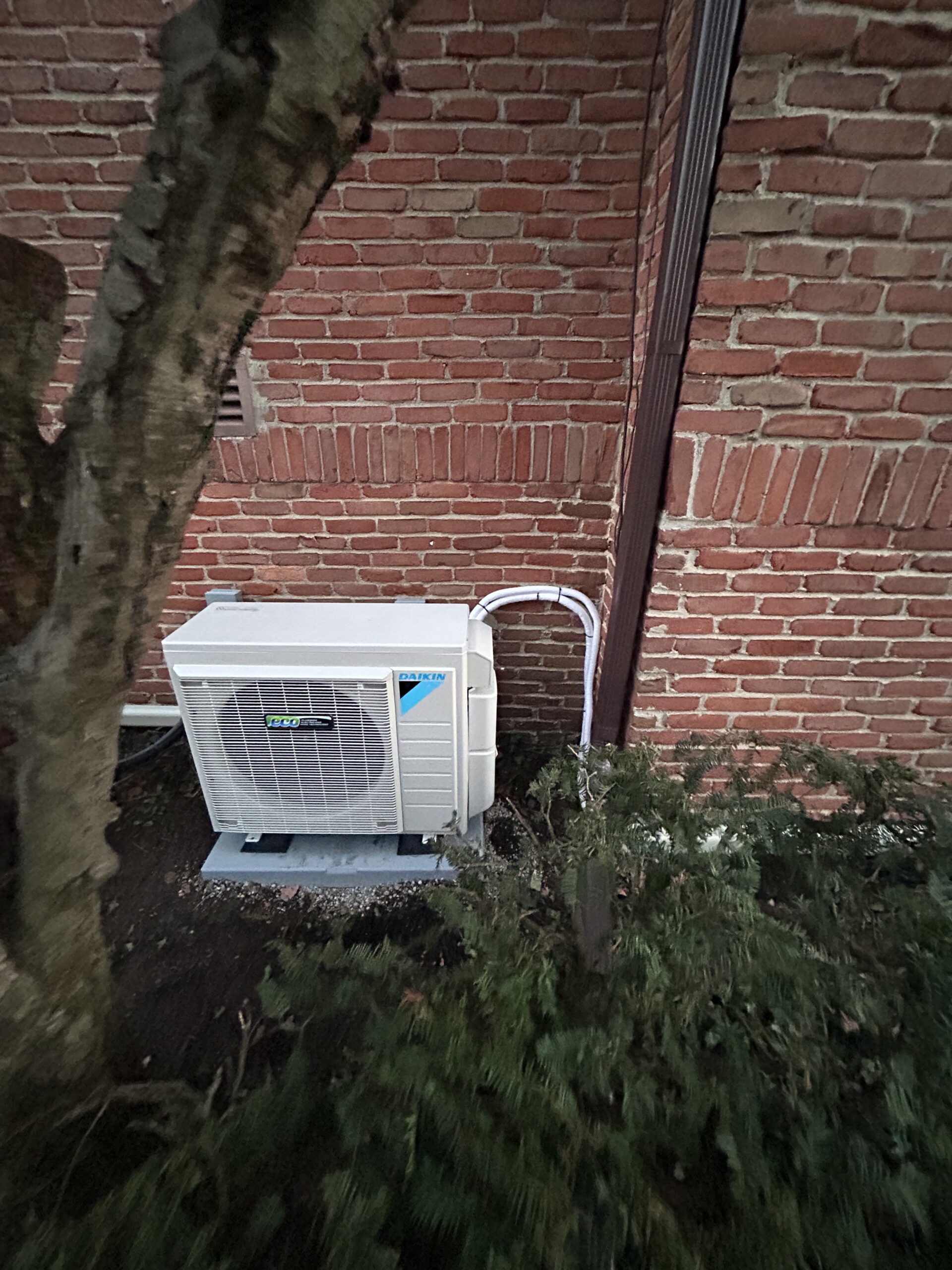
Installing a heat pump might seem straightforward, but even small mistakes can create big problems for performance, comfort, and long-term energy costs. Many homeowners underestimate how technical the process is – from sizing and refrigerant levels to ductwork and airflow calibration. A misstep during setup can reduce efficiency, increase wear on components, and shorten system lifespan.
That’s why understanding what not to do is just as important as knowing the right installation steps. If you’re planning a heat pump installation, being aware of the most common mistakes can help you ensure a smooth setup, long-term efficiency, and reliable comfort for years to come.
Top 5 Heat Pump Installation Mistakes to Watch Out For
Even with careful planning, certain installation details often get overlooked. These small slip-ups can seriously affect performance and efficiency. Below are five common mistakes homeowners and installers should avoid to make sure the heat pump runs smoothly from day one.
1. Incorrect Sizing Leads to Efficiency Loss and Higher Costs
One of the most common mistakes is installing a heat pump that’s the wrong size for the home. An undersized unit struggles to reach the desired temperature, running constantly and wearing out faster. On the other hand, an oversized system cycles on and off too frequently, wasting energy and resulting in inconsistent comfort.
Proper load calculations should consider insulation, square footage, and local climate. Technicians use advanced measurement tools to select the right capacity and prevent issues like short cycling or uneven heating. Without accurate sizing, energy costs climb and indoor comfort drops significantly.
2. Ignoring Proper Refrigerant Charging Can Damage the System
Refrigerant plays a key role in transferring heat efficiently between indoor and outdoor units. Too little refrigerant causes the system to run longer while producing less heating or cooling power. Too much can increase pressure and damage internal components like the compressor.
During installation, technicians must carefully measure and adjust refrigerant levels based on the manufacturer’s specifications. Skipping this step or guessing the charge often leads to energy waste and premature breakdowns. Maintaining correct refrigerant balance is one of the simplest ways to protect the system’s core performance.
3. Poor Ductwork Design Restricts Airflow and Comfort Balance
A heat pump’s success depends heavily on proper airflow, which starts with duct design. Many installations reuse old ducts without checking for leaks, clogs, or inadequate sizing. Restrictive ductwork limits airflow, forcing the system to work harder and increasing energy consumption.
Leaky ducts also waste conditioned air, reducing overall efficiency and causing hot and cold spots throughout the house. Technicians should inspect, seal, and size ducts correctly during installation to create smooth airflow paths. This step directly affects indoor comfort, humidity control, and system longevity.
4. Neglecting Electrical Connections and Thermostat Calibration
A heat pump’s electrical wiring is intricate, involving multiple safety switches, sensors, and voltage requirements. Loose or incorrect connections can lead to short circuits, blown fuses, or system failure. The thermostat must also be calibrated correctly for the heat pump’s operation mode to avoid erratic temperature swings.
Improper wiring or thermostat setup can cause frequent cycling or limit heating and cooling accuracy. Technicians should verify all voltage readings, secure connections, and program settings according to system specifications. Skipping this process often leads to malfunctioning controls and unreliable temperature regulation.
5. Overlooking System Testing and Post-Installation Inspection
Even when everything appears correctly installed, skipping system testing can leave hidden issues undetected. A thorough post-installation inspection checks for leaks, electrical faults, and incorrect pressure readings.
Professionals use diagnostic tools to verify airflow balance, temperature output, and refrigerant performance. This quality check ensures every component communicates properly for efficient operation. Without it, small oversights can become expensive repairs or energy losses over time.
Taking time for a detailed inspection prevents unnecessary downtime and supports consistent comfort throughout seasonal changes.
Conclusion
Installing a heat pump involves precise planning, measurements, and expert adjustments. Common mistakes such as poor sizing, refrigerant imbalance, and neglected ductwork can significantly impact performance and increase costs. Avoiding these errors helps maintain efficiency, comfort, and system durability over the long term.
Paying attention to post-installation testing and proper calibration further protects your investment. When handled by trained professionals, a heat pump setup becomes a lasting solution that keeps your home efficient and comfortable year-round.
Upgrade your comfort with expert furnace services in Dayton, OH, from Eco Plumbers, Electricians, and HVAC Technicians. Connect with us now at (855) 326-7586 for precision workmanship, skilled technicians, and responsive customer support you can rely on.