


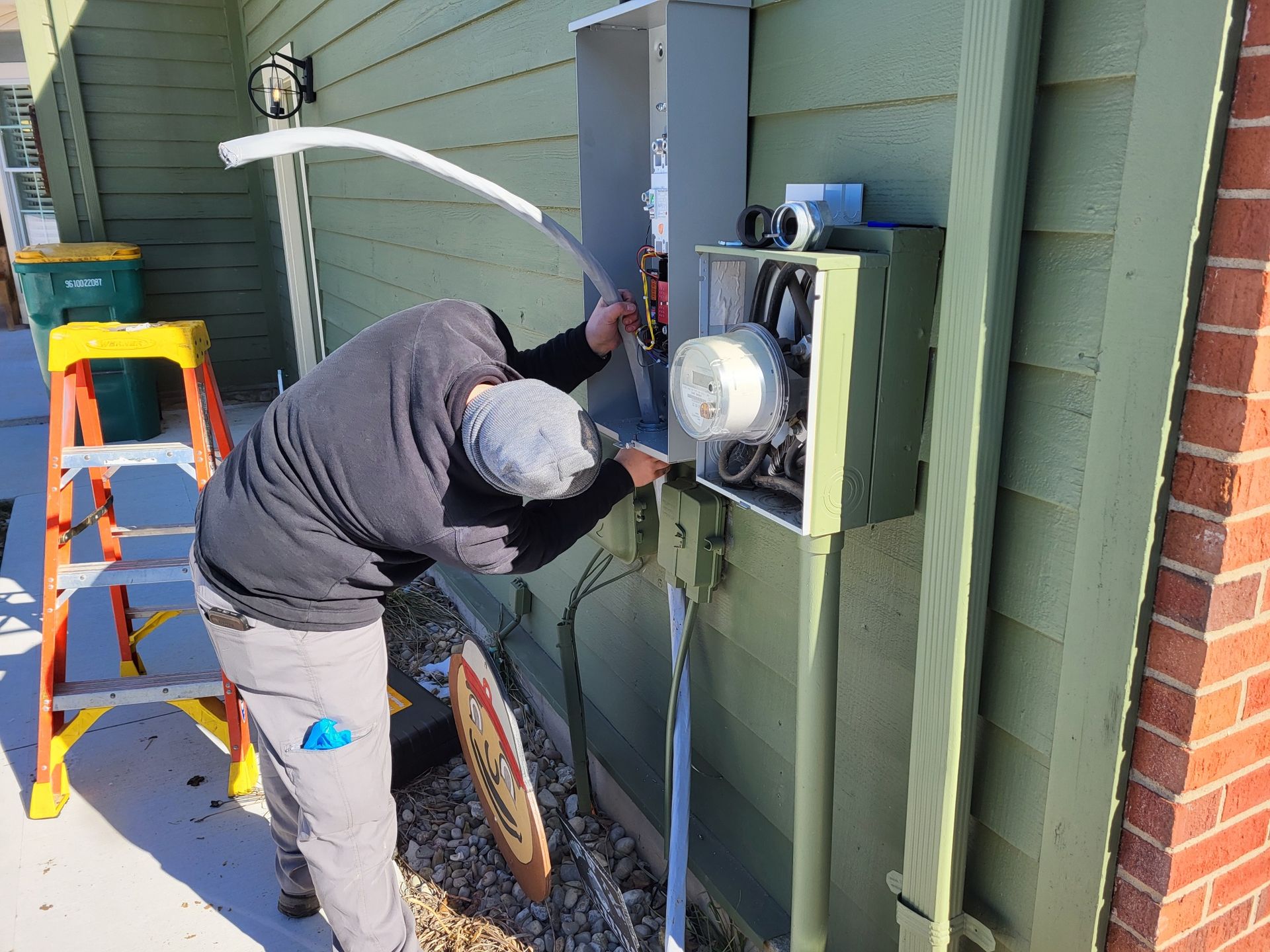
The growing popularity of electric vehicles has made home charging an essential part of modern living. Installing a dedicated charging station at home offers convenience, faster charging, and independence from public chargers. However, this process requires proper electrical setup, safety considerations, and compliance with local regulations.
Homeowners opting for EV charger installation in Columbus, OH, gain the advantage of controlled charging, reduced wait times, and long-term energy efficiency. Understanding how to prepare your electrical system and what factors influence installation quality helps you get the most out of your EV investment.
What to Consider Before Installing an EV Charger at Home?
Before installing an EV charger at home, it’s important to evaluate your electrical system, charging needs, and available space. Here are five key factors every homeowner should consider.
1. Understanding Your Power Supply Requirements
Before installing an EV charger, the first step is determining whether your home’s electrical system can support the additional load. Most EV chargers operate on 240 volts, which may require upgrading from standard residential power circuits.
Electricians perform load calculations to verify your system’s capacity and avoid circuit overloads. They also recommend the right amperage level to match your vehicle’s specifications.
By assessing your power requirements early, you can prevent power interruptions and promote efficient energy usage once the charger is operational.
2. Choosing the Right Type of EV Charger for Your Home
EV chargers are typically available in three levels: Level 1, Level 2, and DC fast chargers.
- Level 1 chargers plug into standard outlets but charge slowly, making them suitable for light daily use.
- Level 2 chargers which require a dedicated 240-volt connection, provide significantly faster charging times and are ideal for most homeowners.
- DC fast chargers are designed for commercial use and require advanced electrical infrastructure.
Consulting a certified electrician helps determine which charger type best fits your vehicle model, driving habits, and available electrical capacity.
3. Proper Placement and Accessibility of the Charging Unit
Location plays a crucial role in both convenience and safety. Chargers should be installed close to where you typically park your vehicle, reducing cable clutter and minimizing tripping hazards. For garages or driveways, electricians evaluate the distance from your main electrical panel to the installation point.
They also consider protection from weather, temperature extremes, and moisture exposure. Choosing the right spot not only improves ease of use but also extends the lifespan of your equipment by preventing unnecessary wear and tear.
4. Importance of Safe Wiring and Dedicated Circuits
An EV charger draws considerable power, so dedicated wiring is essential to prevent electrical hazards. Installing a charger on a shared circuit can lead to voltage drops, overheating, or even electrical fires. Licensed electricians use high-quality wiring materials and install circuit breakers specifically for the charging station.
Proper grounding and adherence to local electrical codes further safeguard the installation. This attention to detail not only promotes reliable charging performance but also protects your home’s entire electrical system from potential damage.
5. Permits, Inspections, and Long-Term Maintenance
Installing an EV charger often requires obtaining local permits and passing post-installation inspections. These steps verify that the work meets safety and building code requirements. Skipping this process can lead to insurance issues or fines later. Once installed, periodic inspections and preventive maintenance help keep the charger running smoothly.
Cleaning the connectors, checking cable integrity, and testing the electrical connections annually extend your system’s reliability. Staying proactive about maintenance supports consistent performance and long-term energy efficiency.
Conclusion
Setting up a home EV charger transforms how you power your vehicle, bringing convenience, energy savings, and future-ready technology to your doorstep. By focusing on power requirements, placement, wiring safety, and code compliance, you can enjoy fast and reliable charging every day.
Working with qualified electricians guarantees the installation meets all technical and safety standards. Taking the time to prepare your home properly pays off through dependable charging performance and peace of mind. The right installation turns your home into an efficient charging hub ready for the future of electric mobility.
Power your home with confidence! Eco Plumbers, Electricians, and HVAC Technicians offer expert electrical repair in Hilliard, OH. Call us at (855) 326-7586 for dependable service and lasting results today!