

Installing a new sewer line is a major home infrastructure project that requires careful planning and budgeting. Many homeowners are surprised to learn how many variables influence the total cost. From property layout to material choices, every detail plays a role in the final price.
Understanding these factors helps you make informed decisions and avoid unexpected expenses. It also allows you to compare estimates more confidently. If you are planning sewer line installation in Hilliard, OH, knowing what drives costs can save both time and stress.
1. Length and Depth of the Sewer Line
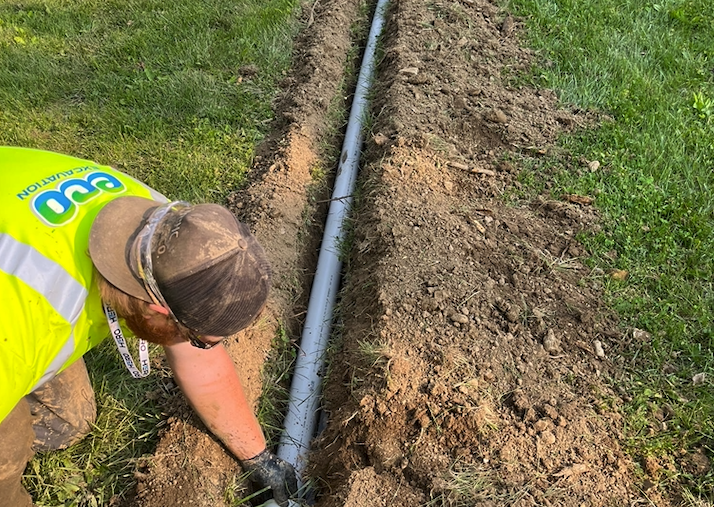
One of the biggest cost factors is how long and how deep the sewer line must be installed. Longer distances between your home and the municipal connection require more materials and labor. Deeper lines increase excavation complexity and safety requirements.
In some cases, contractors must dig below foundations or existing utilities. These challenges raise labor hours and equipment needs. As depth and length increase, so does the overall project cost.
2. Soil Conditions and Ground Obstacles
The type of soil on your property directly impacts installation difficulty. Soft soil is easier and faster to excavate, while rocky or clay-heavy soil slows progress. Tree roots, underground utilities, and large rocks can also complicate digging.
Contractors may need specialized equipment to handle these obstacles safely. Poor soil conditions often add labor time and machinery costs. A site evaluation helps identify these issues early.
3. Pipe Material Selection
Different pipe materials come with different price points and lifespans. PVC is commonly used because it’s affordable, durable, and resistant to corrosion. Cast iron costs more but offers excellent longevity and noise reduction.
Some homes may require specific materials to meet local codes. Material choice affects not only upfront costs but also long-term maintenance. Choosing the right pipe balances budget and durability.
4. Labor, Permits, and Local Regulations
Labor costs vary based on project complexity and local wage rates. Sewer line work often requires permits and inspections from local authorities. Permit fees and compliance requirements add to the final bill.
In some areas, inspections must occur at multiple stages of installation. Skilled labor is essential to meet code and avoid future problems. These regulatory steps protect homeowners but do influence pricing.
5. Additional Services and Restoration Work
Installing a sewer line doesn’t always end when the pipe is in place. Landscaping, driveway repair, or concrete replacement may be necessary after excavation. Some projects also uncover related issues that need attention, such as clogged lines requiring drain cleaning in Hilliard, OH.
In urban areas, coordination with city systems may resemble challenges seen with drain clearing in Cincinnati, OH. These add-on services increase total costs but ensure proper system function. Factoring restoration into your budget prevents surprises.
Conclusion
The installation costs depend on multiple interconnected factors. Line length, depth, soil conditions, and materials all shape the final price. Permits, labor, and restoration work further influence your total investment. Understanding these elements helps homeowners plan realistically and avoid hidden expenses. A detailed estimate and professional assessment are the best ways to stay prepared.
Call us at Eco Plumbers, Electricians, and HVAC Technicians at (855) 326-7586 to schedule a professional evaluation today. We will provide a clear, upfront estimate and expert guidance tailored to your property’s needs.
FAQs
1. How long does a sewer line installation usually take?
Most installations take one to three days, depending on complexity. Factors like soil conditions, line depth, and required inspections can extend the timeline slightly.
2. Can sewer line installation be done without major yard damage?
In some cases, trenchless methods can reduce surface disruption. However, traditional excavation may still be necessary depending on pipe condition, layout, and local regulations.