


What's Ahead
Have you ever turned on your faucet, filled a glass with water, and noticed it looked cloudy or milky? It’s understandable to be concerned—after all, you rely on your tap water every day for drinking, cooking, and bathing. While cloudy water is often harmless, it can sometimes signal a plumbing issue that shouldn’t be ignored.
At Eco Plumbers, Electricians, and HVAC Technicians, we’ve helped thousands of homeowners diagnose water quality concerns and identify what’s causing cloudy tap water. In our experience, the culprit is often something as simple as trapped air bubbles, but we’ve also seen cloudiness caused by hard water, sediment, aging pipes, and other plumbing problems that require professional attention.
In this guide, you’ll learn the most common reasons your tap water may look cloudy, how to determine whether it’s a harmless occurrence or a sign of a larger issue, and what steps you can take to restore clear, clean water.
What Causes Cloudy Tap Water?
Cloudy tap water isn’t always a sign that something is wrong. Understanding what’s causing the cloudiness is the first step toward determining whether you need to take action.
Air Bubbles Are the Most Common Cause
If your cloudy water clears from the bottom of the glass upward within a minute or two, trapped air bubbles are almost certainly the cause.
Municipal water systems deliver water under pressure. As that pressurized water travels through underground water mains and your home’s plumbing, it can absorb tiny pockets of dissolved air. When you turn on the faucet, the pressure is released, allowing those microscopic air bubbles to form. Those bubbles scatter light, making the water appear cloudy or milky until they rise to the surface and dissipate.
How to Tell If Air Bubbles Are the Cause
Fortunately, it’s easy to determine whether trapped air is causing the cloudiness.
- Fill a clear glass with cold tap water.
- Set it on the counter for 30 to 60 seconds.
- Watch the water closely.
If the cloudiness disappears from the bottom of the glass upward and the water becomes clear, you’ve confirmed that air bubbles are the cause. This is completely normal and doesn’t indicate a problem with your plumbing or drinking water.
Is Cloudy Water Ever Dangerous?
Most of the time, cloudy tap water isn’t dangerous—especially if it’s caused by trapped air bubbles that disappear within a minute or two. However, if the cloudiness persists or is accompanied by other unusual changes, it could indicate a problem with your plumbing or water supply that deserves attention.
Warning signs to watch for include:
- A strong chlorine or chemical odor
- A rotten egg smell (which may indicate hydrogen sulfide gas)
- Brown, yellow, or rust-colored water
- Black specks or visible particles
- An oily or iridescent film on the water’s surface
- An unusual metallic or bitter taste
- Water that remains cloudy long after it’s been poured into a glass
If you notice any of these symptoms, don’t ignore them. They may point to issues such as pipe corrosion, sediment, water treatment problems, or other water quality concerns. Contact your local water utility company to determine whether there are known issues affecting your area, and if the problem appears isolated to your home, schedule an inspection with a licensed plumber to identify the source and recommend the appropriate solution.
Hard Water Can Make Water Look Cloudy
Hard water can sometimes make your tap water appear cloudy or hazy. Hard water contains higher-than-normal levels of naturally occurring minerals, primarily calcium and magnesium. While these minerals don’t always make the water visibly cloudy, they can affect its appearance and leave behind noticeable mineral deposits throughout your home.
In addition to occasional haziness, hard water commonly causes:
- White spots on dishes and glassware
- Soap scum on sinks, tubs, and shower doors
- Mineral buildup around faucets and showerheads
- Scale inside pipes and water-using appliances
Over time, these mineral deposits can reduce the efficiency and lifespan of household equipment, including:
- Water heaters
- Dishwashers
- Washing machines
- Plumbing fixtures
Sediment Could Be Causing Cloudy Water
If your tap water stays cloudy after sitting or contains visible particles, sediment may be the cause. Unlike air bubbles, sediment doesn’t disappear over time; it remains suspended in the water or settles to the bottom of the glass.
Sediment can enter your plumbing system for several reasons, including:
- Aging or damaged municipal water mains
- Private well systems
- Corroded or deteriorating plumbing pipes
- Water main breaks or nearby construction that disturbs the water supply
If sediment is causing the cloudiness, you may notice:
- Floating particles in your water
- Material settling at the bottom of the glass
- A gritty texture
- Brown, yellow, or murky-looking water
Old Plumbing Systems Can Cause Cloudy Water
Older plumbing systems can contribute to cloudy tap water as pipes corrode and deteriorate over time. As galvanized steel or other aging metal pipes begin to break down, they can release rust, scale, and other particles into your water, affecting its appearance, taste, and quality.
If aging plumbing is the culprit, you may notice more than just cloudy water. Common signs include:
- Cloudy water from multiple faucets throughout your home
- Brown, yellow, or rust-colored water
- A metallic taste or odor
- Reduced water pressure
- Frequent plumbing leaks or recurring pipe repairs
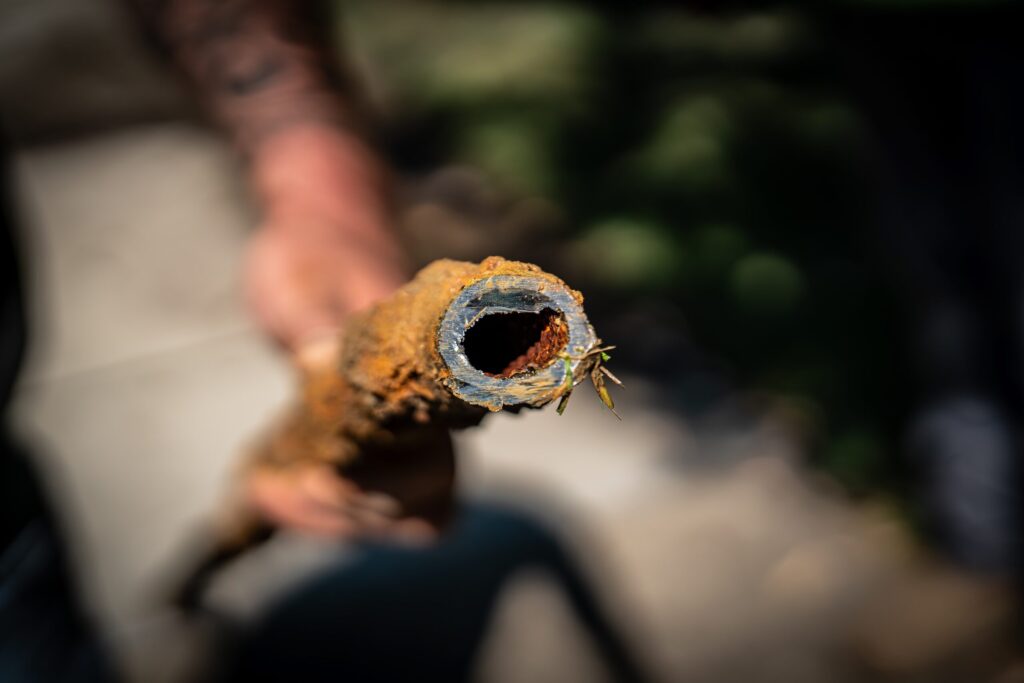
Homes with older galvanized steel plumbing are especially vulnerable because these pipes naturally corrode from the inside out. If you’re experiencing cloudy water alongside any of these symptoms, it’s worth having a licensed plumber inspect your plumbing system to determine whether aging pipes are affecting your water quality. In some cases, repairing or replacing sections of old piping may be the best long-term solution.
Only My Hot Water Is Cloudy
If your hot water is cloudy but your cold water runs clear, the issue is likely related to your water heater rather than your home’s overall water supply. As water is heated, dissolved air is released more quickly, which can create a temporary cloudy or milky appearance. However, cloudiness can also indicate maintenance issues inside the water heater.
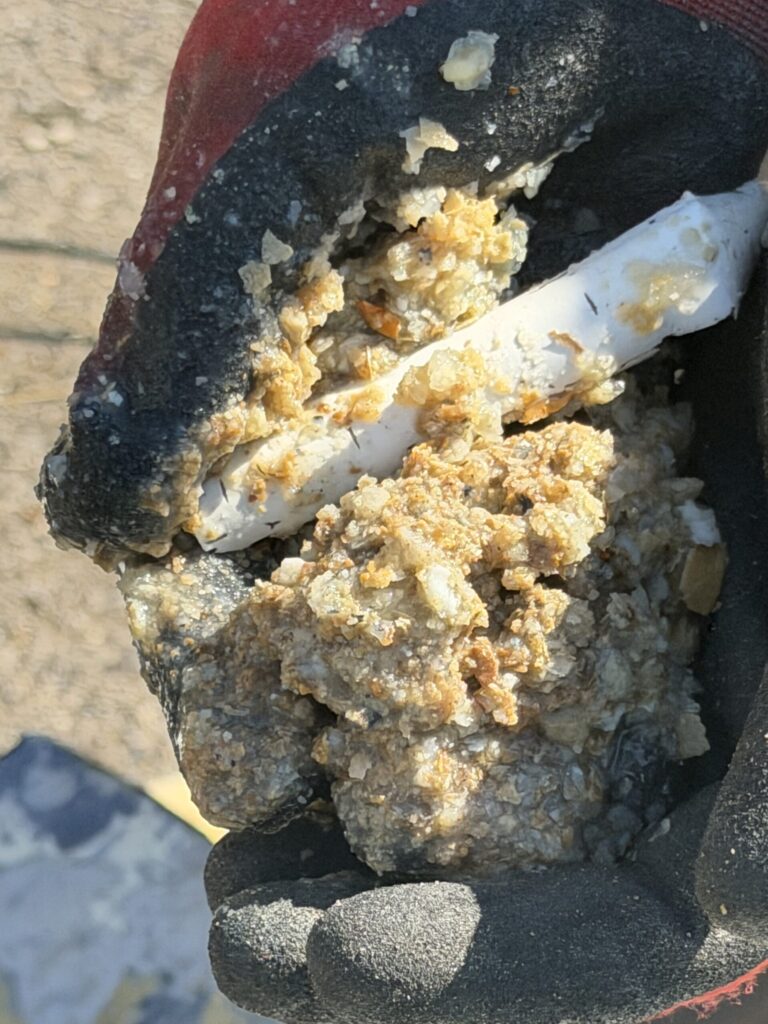
Some of the most common causes include:
- Mineral buildup from hard water
- Sediment collecting at the bottom of the tank
- Air released during the heating process
- An aging water heater that is beginning to fail
If the cloudiness disappears within a minute after pouring a glass of hot water, trapped air is usually to blame and isn’t a cause for concern. If the water remains cloudy, contains sediment, or is accompanied by unusual noises, rusty water, or inconsistent hot water, it’s a good idea to have your water heater inspected.
Only One Faucet Is Producing Cloudy Water
If cloudy water is coming from only one faucet, the problem is likely isolated to that fixture rather than your home’s plumbing or municipal water supply. This is good news, as the solution is often simpler and less expensive than a whole-house plumbing issue.
Some of the most common causes include:
- A dirty or clogged faucet aerator
- A worn or clogged faucet cartridge
- Corrosion inside the faucet or fixture
- A localized plumbing issue affecting that water line
Start by removing and cleaning the faucet aerator, as mineral deposits and debris can easily accumulate in the small screen and restrict water flow. If cleaning the aerator doesn’t resolve the problem, or if the cloudiness is accompanied by low water pressure, discoloration, or unusual odors, it’s worth having the fixture and connecting plumbing inspected by a licensed plumber to identify the underlying cause.
What Should You Do If Your Tap Water Is Cloudy?
The best way to address cloudy tap water is to first identify what’s causing it. While many cases are harmless, here are a few simple troubleshooting steps that can help you determine whether the issue is temporary or if it’s time to call a professional.
1. Perform the Glass Test
Fill a clear glass with cold tap water and let it sit for 30 to 60 seconds. If the cloudiness disappears from the bottom of the glass upward, trapped air bubbles are the cause, and your water is generally safe to use.
2. Compare Your Hot and Cold Water
Turn on both your hot and cold faucets. If only the hot water appears cloudy, the issue is likely related to your water heater rather than your home’s plumbing or municipal water supply.
3. Check Other Faucets Throughout Your Home
Run water from several faucets. If the cloudiness is limited to one fixture, the problem may be a clogged aerator or localized plumbing issue. If every faucet produces cloudy water, the issue is more likely affecting your home’s plumbing system or the municipal water supply.
4. Contact Your Local Water Utility
If your neighbors are experiencing the same problem, recent water main repairs, hydrant flushing, or maintenance work may be temporarily affecting your water’s appearance. Your local water utility can let you know if there’s a known issue in your area.
5. Schedule a Plumbing Inspection
If your water remains cloudy, contains sediment, has an unusual color, taste, or odor, or is accompanied by low water pressure, it’s time to call a licensed plumber. A professional can inspect your plumbing system, identify the root cause, and recommend the appropriate repair or water treatment solution to restore clean, clear water.
Water Filtration Systems May Help Resolve Cloudy Water
Yes—but the right solution depends on what’s causing your cloudy tap water. While water filtration systems can effectively remove many impurities, they aren’t designed to solve every water quality issue.
A quality water filtration system can help reduce or remove:
- Sediment and suspended particles
- Rust and corrosion debris
- Chlorine and certain chemical contaminants
- Unpleasant tastes and odors
However, a standard water filter won’t remove trapped air bubbles, which are the most common cause of cloudy tap water. Because air naturally dissipates within seconds, filtration isn’t necessary in those cases.
Likewise, if hard water is causing the issue, a water softener is typically a better solution than a standard water filter. Water softeners remove the calcium and magnesium minerals responsible for hard water, helping reduce scale buildup, protect your plumbing and appliances, and improve overall water quality.
If you’re unsure whether you need a water filter, a water softener, or another solution, a licensed plumber can test your water and recommend the best treatment option based on your home’s specific water quality concerns.
Cloudy Tap Water? Know When It’s Time to Take a Closer Look
Seeing cloudy water come out of your faucet can be concerning, but in many cases, the cause is nothing more than harmless air bubbles that disappear within a minute or two. If the cloudiness sticks around, however, or you’re also noticing sediment, discoloration, unusual tastes or odors, or mineral buildup around your home, it’s worth investigating what’s happening with your water.
At Eco Plumbers, Electricians, and HVAC Technicians, we’ve seen how water quality issues that seem minor at first can sometimes point to larger problems homeowners don’t notice until they begin affecting their plumbing, water heater, fixtures, or appliances. Hard water is one of the most common examples: The minerals in your water can gradually leave scale and buildup throughout your home long before you realize how much of an impact they’re having.
Your next step is to read our guide, Hard Water Problems Homeowners Ignore Until It’s Too Late. You’ll learn the warning signs of hard water, where mineral buildup can cause problems throughout your home, and what you can do about it before those problems become more expensive to fix
FAQs
Can I Test My Tap Water at Home?
Yes. At-home water testing kits can help identify common water quality concerns such as hardness, chlorine, iron, pH levels, and certain contaminants. However, if you have an ongoing concern about the safety of your drinking water, professional or certified laboratory testing can provide more comprehensive and reliable results. Here at Eco, we provide a FREE water quality test; just schedule an appointment with us!
Does Boiling Cloudy Water Make It Safe?
Not necessarily. Boiling water can kill many types of microorganisms, but it won't remove minerals, sediment, metals, or many chemical contaminants. If you're concerned that cloudy water may be unsafe, identify the cause rather than relying on boiling as a universal solution.
Can Cloudy Water Damage My Plumbing or Appliances?
The cloudiness itself typically won't cause damage, but the underlying problem sometimes can. For example, hard water and sediment can contribute to mineral buildup inside water heaters, fixtures, pipes, and water-using appliances over time.
How Often Should I Have My Home's Water Tested?
How often you should test your water depends largely on where it comes from and whether you've noticed changes in its quality. Private well owners generally need to be more proactive about routine testing, while homeowners connected to a municipal supply may want additional testing if they notice persistent changes in their water's appearance, smell, or taste.
Should I Have My Water Tested Before Installing a Filtration System?
Yes. Testing your water before choosing a treatment system can help you avoid paying for equipment that doesn't address your actual water quality problem. Knowing what's in your water can help determine whether your home would benefit from filtration, water softening, or another type of treatment.