

The Real Reason Your Chillicothe, OH Drains Keep Clogging (And How to Finally Stop It)
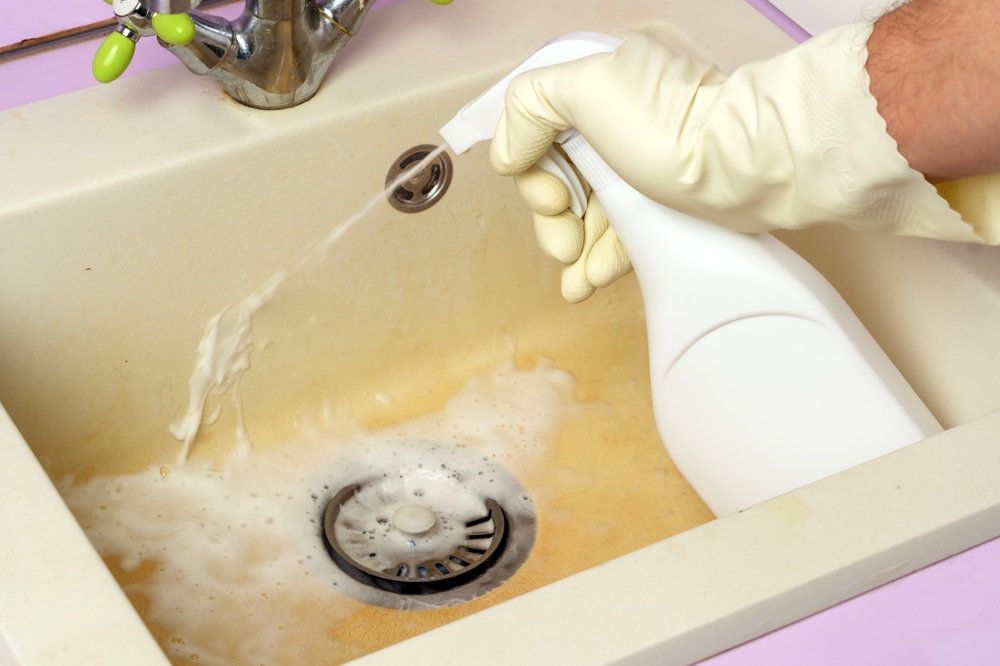
Fluid dynamics operate on strict physical laws. When water flows down the basin, it relies on gravity and a clear internal channel to exit the property. When that physical channel narrows, velocity drops, and raw wastewater reverses trajectory. Dealing with a stubborn clogged drain is not an unpredictable act of nature; it is a clear mechanical failure within your subterranean infrastructure. Pouring highly corrosive chemical liquids down the sink might melt a tiny hole through the immediate obstruction, but it fails to address the root structural defect. We approach residential plumbing with an engineering mindset. Fixing a blocked line requires analyzing hydrostatic pressure, pipe material degradation, and solid mass accumulation. It is time to stop applying temporary bandages to a failing utility matrix and analyze the raw data behind your persistent pipe backups.
1. The Physics of Saponification and Grease Accumulation
Analyzing the core structural failure begins with understanding the chemical reactions happening inside the pipelines. The vast majority of kitchen sink blockages result from a process called saponification. When hot liquid fats, oils, and grease enter the waste network, they hit the cold subterranean temperature of the copper or PVC walls. The lipids instantly solidify, creating a rock-hard internal layer. This answers the fundamental question of what causes clogged drains in high-traffic residential kitchens. According to municipal water management data, grease accumulation accounts for nearly forty-seven percent of all sanitary sewer overflows nationwide. As this calcified lipid layer thickens, the internal diameter of the pipe shrinks significantly. A standard two-inch diameter waste line can easily choke down to a half-inch opening within five years of daily operation. Water velocity slows down, allowing dense food particles to stick to the grease layer, compounding the restriction until flow stops entirely.
2. Structural Root Infiltration and Pipe Joint Separation
Below the surface, your main lateral lines operate in a highly hostile environment. Mature trees aggressively seek subterranean hydration, and their root systems are biologically programmed to detect microscopic moisture leaks. When older clay or cast-iron joints shift due to normal geological settling, they create millimeter-wide fractures. Root tendrils breach these fractures, expanding rapidly inside the nutrient-rich waste line. If your main drain keeps clogging every few months despite your best plunging efforts, you are fighting an expanding biological mass, not a standard debris buildup. The roots form a dense net that traps toilet paper, solid waste, and sediment. Traditional mechanical augers simply slice the center of this root mass, leaving the structural roots intact to regenerate thicker and faster. Defeating root intrusion requires deploying high-definition fiber-optic cameras to identify the coordinates of the breach, followed by advanced hydro-jetting to shear the roots completely flush with the internal pipe wall.
3. Mineral Scaling and Hard Water Deposits
Regional water supplies contain heavy concentrations of dissolved calcium and magnesium. When this heavily mineralized water runs through your fixtures daily, it deposits microscopic crystalline structures along the inner perimeter of the pipes. Over a decade, this mineral scaling forms a jagged, cement-like interior coating. This scaling fundamentally alters the coefficient of friction inside the pipe. Instead of wastewater gliding over a sleek surface, it drags against rough mineral deposits. This friction drastically reduces fluid velocity, creating a slow drain that Chillicothe residents frequently mistake for a standard hair blockage. Because the pipe wall is coated in jagged scale, hair, and organic debris snag instantly, forming a solid mass much faster than in a clean pipe. Stripping this calcification requires industrial-grade fluid dynamics. We pump municipal water at four thousand pounds per square inch to scour the pipe interior, returning it to factory specifications without compromising the physical containment wall.
4. Assessing Mechanical Cleaning Modalities
Engineering a permanent resolution demands comparing the efficacy of different clearance protocols. Treating the infrastructure with random hardware store chemicals destroys structural integrity. The data outlines stark differences in long-term operational success based on the applied methodology:
| Maintenance Protocol | Mechanism of Action | Structural Impact | Long-Term Efficacy |
| Liquid Acid Drain Openers | Thermal chemical reaction | Highly corrosive to metal/PVC | Low (Leaves 80% residue) |
| Handheld Mechanical Augers | Punctures center of blockage | Scratches internal pipe lining | Moderate (Obstruction reforms) |
| High-Velocity Hydro-Jetting | Multi-directional fluid pressure | Zero damage to healthy pipes | Maximum (Restores diameter) |
| Fiber-Optic Diagnostics | Visual sensor feedback | Non-invasive data collection | Essential for verification |
Relying on chemical reactions to clear physical mass is mathematically flawed. The acid pools on top of the obstruction, generating massive localized thermal heat that warps PVC joints and eats through cast iron. The only scientifically sound method involves mapping the obstruction visually and applying calibrated physical force to extract it safely.
5. Implementing Permanent Infrastructure Solutions
Achieving absolute system stability requires transitioning from reactive panic to proactive engineering. When waste lines fail, the structural integrity of your lower levels is immediately threatened by toxic biological contamination. Throwing temporary solutions at a failing hydraulic system guarantees a catastrophic backup in the near future. Executing a true clogged drain fix means identifying the physical defect—be it grease, roots, or mineral scale, and removing it entirely. Our field teams operate under strict mechanical protocols. We provide a Trusted Up-Front Pricing Guarantee, so you see the accurate financial metrics before we deploy our industrial equipment. Furthermore, the EcoFi Advantage Membership keeps your systems operating flawlessly year-round with priority scheduling and annual evaluations. We protect your property with a Cleaner Than We Found It Guarantee, treating your home like the high-value asset it is. We analyze the data, act decisively, and secure your utility lines for maximum performance.
Resolving recurring wastewater blockages requires advanced fluid mechanics and targeted diagnostic data, not temporary chemical patches. Your residential infrastructure relies on precise flow rates and unobstructed channels to maintain a sanitary living environment. Ignoring the physical warnings of slowing waste removal forces your pipes into total failure, risking severe water damage and biological contamination across your flooring. By evaluating the root cause through optical sensors and applying high-pressure scouring, we restore your mechanical systems to peak efficiency. Protect your building investment and demand permanent engineering solutions that keep your utility lines fully operational and structurally sound.
“Contact Eco Plumbers, Electricians, and HVAC Technicians at 740-722-7941 for upfront pricing and guaranteed plumbing solutions today!”
FAQs
1. Why do shower lines in Chillicothe, OH, back up frequently during the winter months?
Colder temperatures in Chillicothe, OH, cause soap scum and hair conditioners to solidify faster inside the pipes, creating dense obstructions that stop wastewater from flowing effectively.
2. How often should main sewer lines be inspected for homes in Chillicothe, Ohio?
Underground pipes in Chillicothe, Ohio, should undergo a professional optical camera inspection every two years to monitor structural integrity and catch early root infiltration before total failure occurs.
3. Can heavy rainfall in Chillicothe, OH, affect my interior sink drainage?
Yes, massive downpours in Chillicothe, OH, can oversaturate the municipal sewer grid, increasing hydrostatic pressure that forces water back toward residential lateral lines, slowing down your interior fixtures.