


You turn the hot water tap in your bathroom, expecting clear liquid, but instead, a brown, discolored stream pours out of the faucet. That metallic tinge is a direct signal of internal structural decay. Inside your basement, a steel tank holds sixty gallons of water under continuous pressure. When the protective lining fails, water touches raw steel, starting an oxidation process that corrodes the metal from the inside out. Flushing the system might temporarily clear the line, but it cannot repair flaking metal or restore a compromised tank wall. Ignoring discolored water turns a minor plumbing issue into a catastrophic basement flood. Recognizing the critical water heater replacement warning signs in Chillicothe keeps your home dry and safe. At Eco Plumbers, Electricians, and HVAC Technicians, we evaluate plumbing infrastructure with strict technical discipline. We analyze water quality and tank conditions to determine if your system requires immediate mechanical removal. Let us break down why rust indicates an advancing failure.
1. The Internal Oxidation Mechanism
A standard storage tank consists of a heavy steel shell lined with a thin layer of protective porcelain enamel. Over years of thermal expansion and contraction, microscopic fractures develop in this glass lining. High water pressure, thermal shock, and aggressive mineral content accelerate these fractures. Once water breaches the enamel boundary, oxidation begins. Iron molecules react with dissolved oxygen in the water, generating iron oxide flakes that mix into your hot water supply. This internal rusting weakens the structural integrity of the steel walls day after day. As the metal thins, the pressure inside the vessel builds toward a structural point of failure. You cannot patch an oxidized steel core from the outside. Once rust dissolves the inner tank wall, the mechanical life of the unit ends completely, making total unit removal the only logical resolution.
2. Sacrificial Anode Rod Breakdown
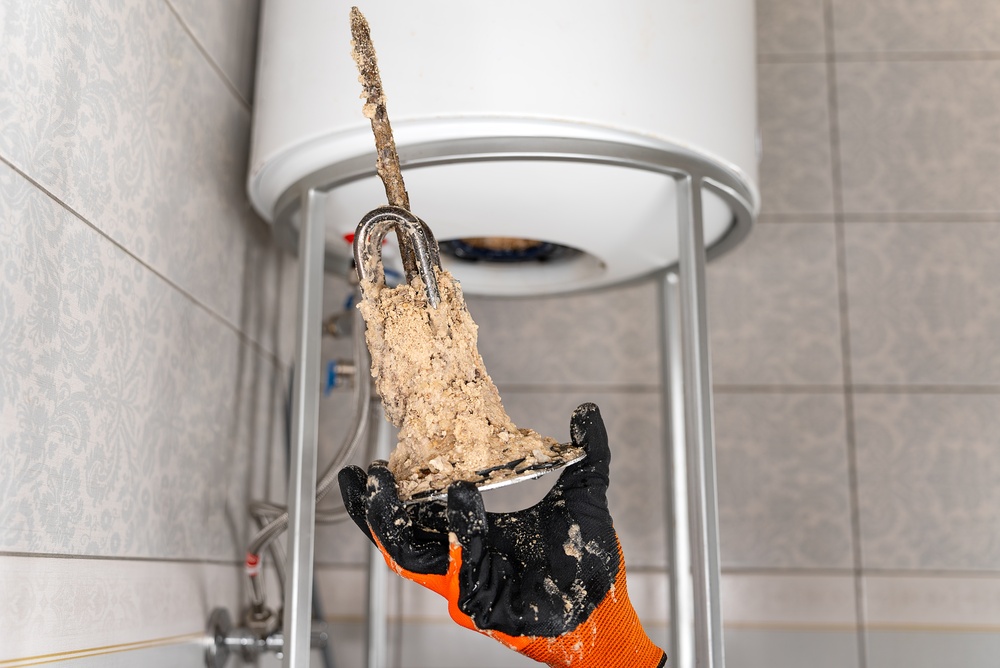
To delay internal oxidation, manufacturers install a magnesium or aluminum rod inside the vessel. This sacrificial anode rod attracts corrosive elements, corroding away so the steel tank does not. However, this protective element possesses a finite lifespan. Once the anode rod degrades entirely, corrosive minerals attack the bare steel walls immediately. Homeowners frequently ask how long does a water heater last? under continuous mineral exposure. Most conventional tanks maintain structural integrity for eight to twelve years before internal components suffer irreversible degradation. If your tank operates past a decade and produces brown water, the anode rod has consumed itself, leaving raw steel exposed to relentless oxidation. Checking the anode rod during annual inspections helps gauge remaining operational life, but severe tank rust indicates the steel itself is actively disintegrating.
3. Sediment Accumulation and Thermal Stress
Hard water carries dissolved minerals like calcium and magnesium that settle at the bottom of the vessel over time. As burner flames or electrical elements heat the water, these minerals bake into a thick layer of rock-like scale. This sediment traps heat beneath the tank floor, causing localized overheating that warps the metal base. The constant mechanical stress of overheating weakens the welded seams at the bottom of the unit.
| Malfunction Indicator | Mechanical Cause | System Result |
| Brown Water Output | Internal steel oxidation | Tank wall thinning and risk of breach |
| Popping Noise | Mineral scale trapping heat | Warped base and seam stress |
| Wet Base Jacket | Pinhole seam fracture | Impending catastrophic tank collapse |
| Metallic Water Taste | Anode rod total depletion | Unprotected interior steel corrosion |
This operational matrix outlines how mineral scale interacts with steel components. When sediment buildup combines with internal rust, the vessel loses its structural integrity rapidly, resulting in sudden pressure blowouts.
4. Structural Cracks and Structural Leaks
Rust does not remain a quiet internal problem. As oxidation eats through the steel, it creates microscopic pinhole channels through the tank wall. You might first notice small puddles of water pooling around the metal base. Heat causes these hairline channels to expand during heating cycles, forcing pressurized water past the outer insulation jacket. Reviewing a replacement cost guide shows that installing a modern, high-efficiency unit prevents thousands of dollars in water damage to surrounding drywall and subfloors. Attempting to repair a rusted seam is mechanically impossible. The thin, oxidized metal cannot support welds or sealant patches. Once water breaches the outer shell, you must decommission the unit immediately to protect your home from sudden structural flooding.
5. Technical Diagnostics and Equipment Removal
Replacing a compromised water heating unit demands proper technical execution. You are dealing with high voltage electrical connections, pressurized fuel lines, and sixty gallons of scalding fluid. Our technicians follow rigid safety protocols during system removal. We drain the tank completely, isolate the electrical circuits or gas shutoff valves, and disconnect the supply lines without damaging surrounding copper pipes. With our Property Protection Guarantee and Cleaner Than We Found It Guarantee, we remove the failed vessel without leaving dirt or water behind. We install high-efficiency replacement units matched to your household demand, verifying thermal output, pressure relief valves, and exhaust venting before completing the installation. Upgrading to a fresh system restores clean, clear water to your fixtures immediately.
Discolored water pouring from your taps is a direct signal that your storage tank is physically deteriorating. Internal steel oxidation, depleted anode rods, and mineral scale accumulation compromise the structural integrity of the vessel, putting your property at risk of sudden flooding. Ignoring these mechanical warning signs leads to catastrophic tank failure and extensive structural damage. At Eco Plumbers, Electricians, and HVAC Technicians, we deliver technical diagnostics and system installations backed by our No Lemons Guarantees and One-Year Make It Happen Guarantee. Protect your home and restore clear water by replacing your failing heating unit today.
“Stop risking a flood! Call Eco Plumbers, Electricians, and HVAC Technicians at 740-722-7941 to book your system assessment and secure dependable hot water.”
FAQs
1. Why does hot water turn brown in a Chillicothe, Ohio, property?
Hot water turns brown in a Chillicothe, Ohio, property because internal steel walls inside the storage tank oxidize, releasing iron particles into the plumbing lines.
2. How frequently should a homeowner in Chillicothe, OH, inspect their water heating system?
A homeowner in Chillicothe, OH, should schedule a professional system inspection annually to check the sacrificial rod, flush mineral sediment, and inspect tank seams.
3. Can hard water in Chillicothe, Ohio, accelerate internal tank rust?
Yes, heavy mineral content in Chillicothe, Ohio, accelerates internal scale buildup, which creates localized hot spots that weaken protective enamel linings.