


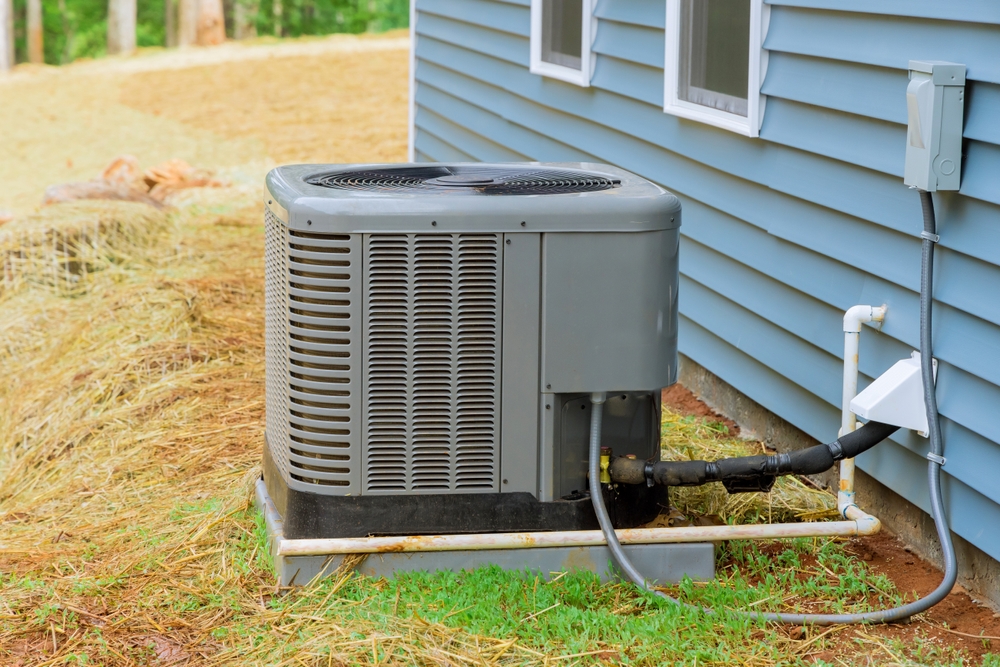
A new air conditioner is one of those purchases nobody really enjoys making, and yet most homeowners end up making at least two of them across the lifetime of a single house. The smart way to lock down the best AC installation in Cincinnati, OH, isn’t walking into the showroom asking which brand wins, it’s walking in already knowing what your house actually needs from a system. Equipment shopping without that homework is how families end up with units rated for a 4,000 square foot McMansion strapped to a 1,650 square foot ranch, or vice versa, and neither one ever quite feels right.
The questions that actually matter, in this rough order:
- Sizing the system to the house, calculated from real load data and not square footage alone.
- Picking the configuration that matches the existing layout, ducted, ductless, or hybrid.
- Choosing an efficiency tier that pencils against current Ohio electricity rates and rebates.
- Hiring a contractor who walked the property versus one who quoted from the curb.
Get those four right and the brand decision basically sorts itself out.
1. Why Sizing Beats Branding Every Time
Sizing is genuinely the part most homeowners get wrong, and contractors don’t always push back hard enough at the kitchen table.
Oversized systems blast cold air, hit the thermostat number fast, and shut off before indoor humidity ever drops, which leaves the house feeling cold and weirdly clammy at the same time. Undersized units run themselves ragged on the worst afternoons of the year, never quite catching up, and the upstairs always feels noticeably warmer than the main floor. The right answer comes from a Manual J load calculation, not a square footage estimate scribbled on the back of a business card during the sales visit. Any contractor unwilling to run that calculation either doesn’t know how, or assumes the homeowner won’t ask, and either way that’s reason enough to keep getting more quotes.
2. Match the System to the House, Not the Truck
Different houses want different cooling setups, and the contractor’s preference shouldn’t be the deciding factor here.
A 1920s bungalow with plaster walls and zero existing ducts is a completely different conversation than a 2008 colonial with a clean basement and trunk lines already running everywhere. Plan any new AC system setup around what’s already inside the house, not around what the contractor happens to stock the most of on the work truck this week. The configurations actually worth comparing:
- Central split system, the standard for ranches and newer two stories with intact ductwork.
- Heat pump systems, gaining real ground in 2026 thanks to federal rebate stacking.
- Hybrid setups pairing a heat pump with a gas furnace for cold January mornings.
Match the system to the house. Every single time.
3. Efficiency Numbers Tell a Real Money Story
Efficiency ratings sound technical, but they translate straight into dollars the moment the August power bill lands in the mailbox.
SEER2 is the rating quoted on cooling equipment now, and a higher number means less electricity burned to deliver the same comfort indoors. Anyone planning a serious central air installation in 2026 should be running the math across at least three efficiency tiers before signing anything in ink. The numbers worth pulling up before the contract gets handed over:
- Baseline SEER2 around 14.3, the federal minimum for our southern climate region.
- Mid tier SEER2 between 16 and 17, the sweet spot for most Ohio homes.
- High tier SEER2 of 18 and up, which qualifies for the strongest rebate stacking in 2026.
- Estimated annual operating cost on the EnergyGuide sticker, listed in real dollar form.
The high tier sticker price often closes the gap with mid tier once federal credits and utility incentives stack on top of each other.
4. The Ductwork Inspection Most Contractors Skip
Brand new equipment hooked up to leaky old ducts is how comfort problems quietly persist even after a major install.
Up to a third of the cool air a fresh system produces can leak straight into the attic and crawl space cavities before it ever reaches a register. Reputable providers of air conditioning services in Cincinnati, OH, inspect the existing ductwork before quoting any new equipment, and they’ll flag sections needing real repair work up front. Things to watch for during a duct walkthrough:
- Disconnected boots dumping cool air directly into the attic instead of the bedroom below.
- Crushed flex duct sections from foot traffic during past insulation work.
- Missing insulation on supply runs passing through unconditioned attic or crawl space.
- Undersized returns choking airflow back to the indoor air handler.
Address the ducts during the install. Not three years later, when comfort complaints start piling up.
5. Reading a Quote Like a Contractor Reads One
Three quotes is the minimum, and they need to be detailed enough that real comparison is possible at the kitchen table.
A flat total of $8,200 by itself means almost nothing, since one contractor might be quoting basic install while another rolls duct sealing, a smart thermostat, and a fresh condensate pump into the same exact number. Demand the proposal in writing, with the line items broken out clearly before any deposit leaves your hands. Specifically, look for these items spelled out on the page:
- Equipment make, model, tonnage, and SEER2 rating named on the proposal.
- Labor hours estimated, with crew size and timeline attached.
- Permit and city inspection fees pulled separately, not bundled vaguely.
- Manufacturer warranty plus labor warranty terms, both written down.
- Old equipment removal and haul away, clearly included or excluded.
The cheapest quote almost always skips something important. The middle quote usually tells the truest story about what doing the job right actually costs.
Picking the right AC isn’t really about the logo printed on the cabinet outside. It’s about sizing the system to the house, matching the configuration to the existing layout, paying attention to efficiency ratings against current rebate programs, inspecting the ductwork before any bolt ever turns, and lining up three written quotes with real itemized detail.
Brand loyalty means surprisingly little when the system is mismatched to the home, and the most expensive equipment on the truck won’t compensate for sloppy sizing or leaky ducts. Take the homework seriously now, and the next fifteen summers fade quietly into background hum, which is exactly how good HVAC is supposed to feel. Skip the homework, and the install becomes a complaint that follows the family from one July to the next.
“Need a new AC? Call us, Eco Plumbers, Electricians, and HVAC Technicians, at 614-665-5400 for the best AC installation in Cincinnati, OH.”
FAQs
Q1: When is the cheapest time of year to install a new AC in Cincinnati, OH?
Late fall through early spring is genuinely the cheapest window, since contractors are running quieter calendars and often roll out promotional pricing to keep the slow weeks booked. Locking in before the first heat wave hits the Tri State also dodges peak demand premiums and the longer scheduling waits, which usually start landing in late June or early July most years.
Q2: How do I know my AC contractor is properly licensed in Cincinnati, OH?
Ohio HVAC techs operate under specific state licensing rules, and any honest contractor hands over license numbers without hesitation when asked at the door. Verify the HVAC license number directly through the Ohio Construction Industry Examining Board’s online lookup, then double check that liability insurance and workers comp are both current before any agreement gets signed.
Q3: What’s typically included in a complete AC install quote in Cincinnati, OH?
A real quote covers the new equipment, install labor, permit pulls, ductwork inspection, removal and haul away of the old system, plus at least a one year labor warranty in writing. Anything missing from that list, especially the permit fee or the haul away line, usually shows up later as an add on charge once the install is already in motion and the homeowner has fewer options.