


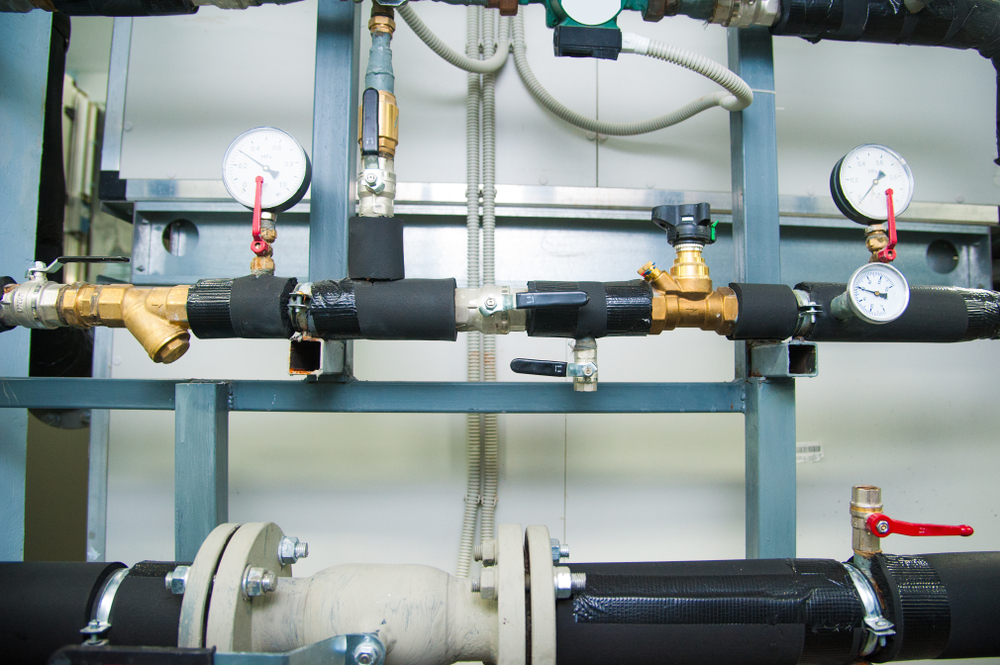
A new heating and cooling system is one of the bigger purchases a home ever sees, and yet most people have no real idea what happens once the crew actually shows up. A residential HVAC installation is far more than dropping in a new box and flipping the switch, since the sizing, the ductwork, the charge, and the startup all decide whether that expensive equipment runs efficiently for fifteen years or struggles from the very first day. Most folks just want it cold again. Fair enough. But a proper install follows a clear order, and knowing that order tells you fast whether the people in your house are doing it right or cutting corners. Here is how the day actually unfolds.
1. It Starts Before Anyone Touches a Wrench
The most important part of the whole job happens before any equipment even arrives. A good contractor runs a load calculation, a Manual J, that measures your home’s actual heating and cooling needs instead of just matching whatever size sat there before. That matters more than most people realize, because an oversized unit short-cycles and leaves the air clammy and cold-but-humid, while an undersized one runs nonstop and still never quite catches up on the worst days. They also check the ductwork, the electrical, and where the thermostat sits, since a great unit on leaky ducts is money thrown away. The best equipment in the world cannot outrun a bad size. Get this first step wrong and nothing downstream ever really fixes it.
2. Clearing Out the Old System
When you search hvac installation near me and start calling around, pay close attention to who actually wants to visit before quoting. The ones worth hiring come out, measure, crawl the attic, and look at the ducts, instead of pricing a system over the phone off your old unit’s model number. On install day, the first real work is removal, and that begins with recovering the old refrigerant, which the EPA requires be captured rather than vented into the air. Then the old condenser outside, the indoor coil, and sometimes the copper line set connecting them all come out. Old, undersized, or crushed ductwork often gets flagged here too, since new equipment only performs as well as the ducts feeding it. A clean teardown sets up a clean install, so it is not the corner to rush.
3. Setting the New Equipment in Place
With the old gear cleared out, the new system goes in. Quality residential hvac installation services set the outdoor condenser on a level pad, place the indoor air handler or coil, and run the refrigerant line set between the two. Here is where the care really shows, the connections get brazed, and then the lines get vacuumed down to pull out every trace of moisture and air before any refrigerant enters. They wire the disconnect, run the condensate drain so it actually slopes and drains, and mount the new thermostat where it reads the room accurately. A drain that backs up or a line set that was never cleaned out shows up as a headache months later. Skipping that vacuum step is a classic shortcut that quietly kills a compressor a few summers down the road.
4. The Part That Makes or Breaks It
The final stretch of a home hvac installation is startup, and it is where the good crews separate themselves from the cheap ones. They pull the system into a deep vacuum, usually down around 500 microns, then weigh in the exact refrigerant charge the manufacturer calls for instead of guessing by feel. Then comes the measuring, the temperature split between the supply and return air should land near 18 to 20 degrees, and the static pressure tells them whether the ducts can actually breathe. They run the safety checks, test the thermostat through a full cycle, and confirm the system both heats and cools the way the numbers say it should. A unit that was never properly commissioned can look fine on day one and quietly waste energy for years.
5. After the Crew Packs Up
A real install does not end the moment the van pulls out of the driveway. Expect a walkthrough where the tech shows you the new thermostat, the filter size, and how often to change it, since a clogged filter chokes even the best system. Most manufacturer warranties only hold if the unit was installed by a licensed pro and then registered within a set window, so make sure that paperwork actually gets filed. There is usually a permit inspection too, which is a good thing rather than a hassle, because it means an outside set of eyes confirmed the work. Line up a maintenance plan while you are at it, and the equipment will reach its full lifespan instead of dying early. A yearly tune-up keeps the charge right and the coils clean, which is most of what a system needs to last.
A heating and cooling install done right is mostly invisible, since the sizing, the vacuum, the charge, all the details you never see are exactly what keep the system quiet, efficient, and reliable for years. Done wrong, you feel it in the humidity, the noise, and the monthly bills. That focus on getting the unseen parts correct runs straight through Eco Plumbers, Electricians, and HVAC Technicians, a company Aaron Gaynor built from a fifty-dollar loan and a small team after a bankruptcy, on the belief that the trades saved his life. What began as green residential plumbing grew into heating, cooling, and electrical work, backed by the same training standards behind Eco Plumbers University. When it is time for a new system, that is exactly the kind of care worth having in your home.
“Ready for a new system done right? Call Eco Plumbers, Electricians, and HVAC Technicians at 614-665-5400 for proper sizing and a clean install.”
FAQs
Q1: How long does a residential HVAC installation take in Columbus, Ohio?
In Columbus, Ohio, a straightforward system swap is often a single day. It runs longer when the ductwork needs repair or replacement, the electrical needs work, or a permit inspection has to be scheduled. A good contractor gives you an honest timeline after seeing the home, not over the phone.
Q2: How do I know what size HVAC system my home needs in Columbus, Ohio?
For homeowners in Columbus, Ohio, the answer comes from a Manual J load calculation, not from matching the old unit’s size. It measures your home’s square footage, insulation, windows, and layout. Oversizing causes short-cycling and humidity, while undersizing means it never keeps up, so the math matters.
Q3: Do I need a permit to install a new HVAC system in Columbus, Ohio?
Around Columbus, Ohio, yes, a new system typically requires a permit and an inspection. That is a benefit, not a hassle, since it confirms the work meets code and often protects your manufacturer warranty. A licensed installer handles the permit and schedules the inspection as part of the job.