


Raw tap water acts like liquid sandpaper on your internal plumbing network. When highly mineralized groundwater enters your property, it carries massive concentrations of dissolved calcium and magnesium. As this water flows through your water heater, dishwasher, and washing machine, heat and pressure force these minerals out of suspension. The resulting hard white rock coats the internal mechanical components of your expensive machinery, causing severe friction, overheating, and rapid structural failure. Ignoring mineral scale buildup forces your appliances to burn excess electrical and thermal energy, destroying both the equipment and the environment. Implementing proper hard water solutions in Cincinnati stops this mechanical degradation permanently. At Eco Plumbers, Electricians, and HVAC Technicians, our Eco DNA drives us to optimize home efficiency and conserve natural resources. We utilize industrial testing to measure your water chemistry and deploy filtration hardware that protects your capital investments from premature breakdown. Let us review the precise physical indicators that hard water is currently destroying your machinery.
1. How Does Mineral Scale Destroy High Efficiency Water Heaters?
Your water heater bears the absolute brunt of heavy mineral accumulation. When calcium rich fluid enters the heating chamber, the intense thermal energy bakes the minerals directly onto the internal heating elements or the bottom of the steel tank. This thick layer of rock acts as a severe thermal insulator. The machine must run longer and burn significantly more natural gas or electricity just to transfer heat through the solid scale barrier. This aggressive waste of natural resources goes against all eco-friendly engineering principles and spikes your utility bills. The constant overheating fatigues the metal components, leading directly to premature tank ruptures and cracked heat exchangers. If your heating unit makes loud popping noises during operation, you are hearing steam bubbles physically exploding through a thick layer of hardened calcium sediment.
2. Why Do Dishwashers Fail To Clean Glassware Effectively?
A dishwasher relies on perfectly clear spray nozzles to blast food particles off plates using high pressure. Calcium deposits rapidly clog these microscopic plastic jets, restricting water flow and crippling the mechanical cleaning power of the machine. The physical evidence appears as a stubborn, cloudy white film coating your glassware and silverware. Understanding the true benefits of water treatment services becomes incredibly clear when you calculate the cost of replacing ruined dishwashers every five years. The hard minerals also attack the internal rubber seals and the drain pump impeller. When the pump grinds against solid calcium chunks, the motor overheats and burns out entirely, leaving stagnant, dirty water trapped inside the appliance basin.
3. What Causes Washing Machines To Degrade Clothing Fibers?
Washing machines mix water with chemical detergents to lift dirt from fabric. Highly mineralized water reacts negatively with soap, forming a sticky scum rather than a cleansing lather. This chemical reaction requires you to use twice as much detergent to achieve the same cleaning output, wasting money and adding excess chemicals to the local wastewater grid. The calcium particles lodge directly into the clothing fibers, causing fabrics to become stiff, brittle, and heavily faded.
| Appliance Affected | Mechanical Failure Point | Visual Warning Signs |
| Water Heater | Insulated heating elements | Popping noises and high utility bills |
| Dishwasher | Clogged spray nozzles | Cloudy glassware and standing water |
| Washing Machine | Burned out drain pump | Stiff clothing and soap scum rings |
| Refrigerator Ice Maker | Frozen supply valve | Hollow ice cubes and sudden leaks |
This matrix outlines the direct physical destruction caused by raw tap water. The internal mechanical friction caused by scale buildup severely shortens the operational lifespan of these high ticket machines, forcing heavy consumer waste into landfills far ahead of schedule.
4. How Do Mineral Deposits Ruin Refrigerator Ice Makers?
The ice maker inside your refrigerator utilizes narrow, low volume supply lines to freeze water into cubes. When calcium and magnesium flow through these tiny plastic tubes, the minerals calcify and choke the internal diameter completely. A restricted supply line causes the machine to produce small, hollow, or misshapen ice cubes. Eventually, the inlet solenoid valve jams open because a solid piece of scale blocks the internal plunger from closing tight. This mechanical failure causes continuous dripping that overflows the ice bin and floods your kitchen floor with standing water. Protecting these delicate internal valves requires intercepting the hard minerals before they ever reach the kitchen plumbing infrastructure.
5. What Mechanical Upgrades Protect Your Entire Plumbing Grid?
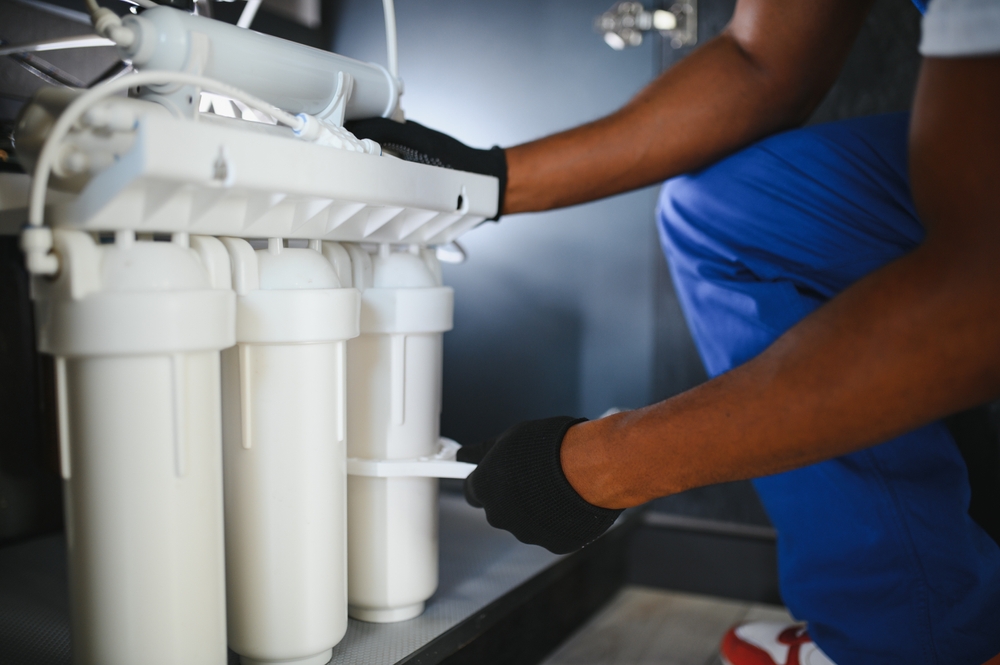
Installing whole house water treatment systems represents the only permanent engineering solution to mineral scale. By intercepting the raw water at the main entry point, a digital water softener utilizes ion exchange resin beads to physically pull the calcium and magnesium out of the fluid. The resulting conditioned water flows freely through your plumbing grid, leaving zero rock deposits behind. At Eco Plumbers, Electricians, and HVAC Technicians, our technicians train rigorously at The Eco Plumbers University, built by founder Aaron Gaynor to uphold strict technical standards. We execute the plumbing upgrades utilizing our Trusted Up-Front Pricing Guarantee, removing all financial surprises. We also protect your home during the installation with our Property Protection Guarantee and leave your utility room spotless under our Cleaner Than We Found It Guarantee. Eliminating hard minerals aligns perfectly with our core mission of extending appliance lifespans, reducing waste, and maximizing environmental conservation. We back these new installations with our exclusive No Lemons Guarantees.
Hard water acts as a destructive mechanical force that actively destroys the internal components of your expensive home appliances. Calcium and magnesium deposits insulate water heaters, clog dishwasher jets, ruin washing machines, and jam refrigerator valves. Allowing raw water to flow unchecked forces your machinery to burn excess energy and fail prematurely. You must apply technical filtration to stop this structural degradation and lower your carbon footprint. At Eco Plumbers, Electricians, and HVAC Technicians, we utilize industrial grade water softeners to protect your property and conserve vital natural resources. Stop replacing ruined appliances and secure a permanent, green plumbing solution for your home today.
“Call Eco Plumbers, Electricians, and HVAC Technicians at 513-443-1169. Protect your appliances with our trusted eco-friendly installations today!”
FAQs
1. Why do water heaters in Cincinnati, Ohio, make loud popping noises?
Water heaters in Cincinnati, Ohio, make popping noises because heavy calcium deposits trap steam beneath the mineral layer, forcing the boiling bubbles to physically burst through the rock during the heating cycle.
2. Can raw tap water in Cincinnati, OH, ruin clothing fibers permanently?
Yes, raw tap water in Cincinnati, OH, embeds abrasive mineral particles directly into fabric threads, causing the material to become permanently stiff and lose color vibrancy after repeated washing.
3. How fast do dishwasher spray arms clog in Cincinnati, Ohio?
Dishwasher spray arms in Cincinnati, Ohio, frequently clog within a few months of use because the narrow plastic jets easily trap solid mineral sediment circulating in the basin.