

Introduction
Cold weather places consistent pressure on residential heating systems, often revealing issues that stayed hidden during warmer months. Many heating disruptions begin with minor wear that goes unnoticed until temperatures drop sharply. With heating services in Dublin, OH, homeowners gain clarity on how seasonal preparation supports steady warmth and fewer interruptions. Early attention allows systems to operate more predictably during extended cold spells. A thoughtful approach to seasonal care helps protect comfort when winter conditions intensify.
Heating systems function through a combination of mechanical movement, airflow, and temperature control. When any part struggles, overall performance drops. Insight shared by Eco Plumbers, Electricians, and HVAC Technicians shows how seasonal service prepares each component for sustained use. This planning helps homes stay warm without sudden disruptions during peak winter demand.
Winter Heating Tips for Cold Weather Readiness
1. Pre-Season System Checks Reduce Cold-Weather Strain
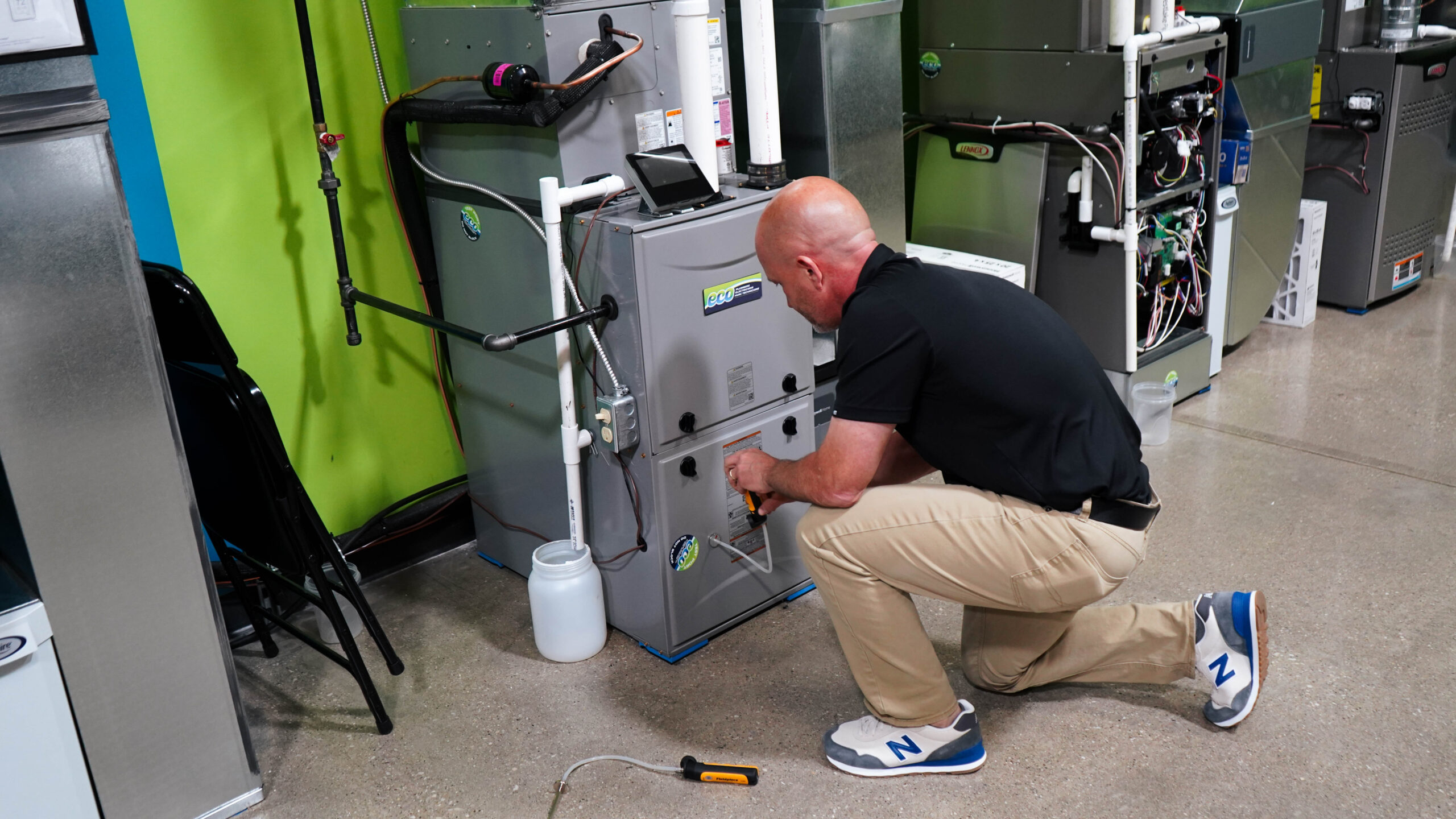
Seasonal preparation begins by reviewing how the system performed during the previous winter. Uneven heating, delayed startup, or unusual sounds often point to developing issues. Addressing these early helps avoid larger failures when outdoor temperatures decline. Technicians often inspect burners, heat exchangers, and safety controls during this stage.
Cold weather exacerbates stress on components that are already worn. Parts that functioned adequately in mild weather may struggle under continuous operation. Early checks help correct these weaknesses while conditions remain manageable. This timing supports smoother performance during colder months.
2. Airflow and Duct Conditions Shape Indoor Comfort
Warm air must travel freely to reach all living spaces evenly. Dust buildup, loose duct connections, or blocked vents disrupt this flow. Seasonal service includes checking ducts and clearing obstructions that restrict movement. Improved airflow reduces cold zones within the home.
Balanced airflow also helps the heating unit operate more steadily. When air circulation improves, the system cycles more evenly. This reduces temperature swings and improves comfort. Proper airflow plays a major role in winter readiness.
3. Component Wear Becomes More Noticeable in Winter
Mechanical parts experience greater demand during cold weather. Belts, motors, and ignition components face longer run times. Seasonal checks help identify wear before it causes failure. This attention helps limit mid-season interruptions.
In some homes, service needs resemble concerns handled through heating repair in Dayton, OH, where aging components require timely care. Addressing wear early reduces stress on the entire system. Consistent performance depends on healthy mechanical operation throughout winter.
4. Thermostat Performance Guides Heating Stability
Thermostats control when and how often a heating system operates. Inaccurate readings lead to frequent cycling or uneven temperatures. Seasonal service includes reviewing calibration and sensor placement. Correct readings support steady indoor warmth.
Older thermostats may drift over time, while newer models may need updates. Adjusting these controls improves system response. Accurate temperature regulation helps balance comfort and energy use during cold weather.
5. Preventive Maintenance Limits Emergency Breakdowns
Many winter breakdowns result from delayed maintenance rather than sudden failure. Seasonal heating service focuses on preventive care to reduce these risks. Cleaning components and tightening connections support smoother operation. This approach mirrors practices seen in heating repair in Chillicothe, OH, where proactive care reduces emergency calls.
Preventive maintenance supports predictable performance during long, cold spells. Systems that receive attention ahead of winter handle demand more effectively. Preparation helps homeowners avoid discomfort during severe weather.
Conclusion
Seasonal heating preparation supports reliable comfort during cold weather. Early system checks, airflow balance, component care, and thermostat accuracy all contribute to steady warmth. Preventive attention reduces the chance of winter disruptions. Thoughtful planning helps systems perform consistently under pressure. Preparing before cold weather arrives supports a more comfortable winter season.
FAQs
1. When is the best time to schedule seasonal heating service in Dublin, OH?
Early fall is ideal in Dublin, OH, as it allows time to address issues before temperatures drop and heating demand increases.
2. Can seasonal heating service help avoid winter breakdowns?
Yes, preventive checks identify wear and airflow problems early, reducing the likelihood of unexpected system interruptions during cold weather.
CTA:
Prepare for winter with Eco Plumbers, Electricians, and HVAC Technicians, backed by expertly trained professionals and a commitment to quality service. Contact our team at (855) 326-7586 today for reliable seasonal heating readiness.