

Home utility infrastructure operates on thermodynamics, fluid dynamics, and strict economic yield. Heating domestic water accounts for roughly eighteen percent of total household energy consumption, making your hot water generator one of the most overworked mechanical assets under your roof. When evaluating home equity and long-term utility performance, continuing to run an outdated fifty-gallon metal reservoir is a costly miscalculation. Upgrading your building’s thermal setup directly impacts property valuation, indoor square footage, and monthly operational costs. Weighing a tank vs. tankless water heater in Cincinnati, OH, requires analyzing heat exchanger performance, standby energy loss, and equipment lifespan metrics. We evaluate residential plumbing through physical data and mechanical logic. Elevating your building infrastructure with high-efficiency water heating hardware protects your capital while delivering continuous thermal output across every fixture.
1. Thermodynamic Efficiency and Operational Lifespan
Traditional storage tanks heat water constantly, keeping fifty gallons of standing liquid at high temperatures regardless of household demand. This design creates continuous standby thermal loss, radiating heat into cold basements and wasting energy twenty-four hours a day. Furthermore, standing water accelerates internal wall corrosion and mineral buildup along the bottom of the steel cylinder. Watching for physical signs it’s time to replace your water heater, such as rusty discharge, popping acoustic signals from mineral crystallization, or minor moisture pooling around the base, prevents catastrophic structural leaks. Modern continuous-flow units, by contrast, utilize heavy-duty copper heat exchangers that activate exclusively when a tap opens. By burning fuel or drawing electricity only during active demand, continuous-flow systems eliminate standby energy waste completely and achieve operating lifespans exceeding twenty years, doubled compared to traditional tank setups.
2. Capital Expenditure and Long-Term Utility ROI
Evaluating mechanical upgrades requires looking past initial purchase tags and analyzing total lifecycle return on investment. While conventional storage units carry lower upfront equipment expenses, their ongoing thermal inefficiency drains household capital every single month. Reviewing a Water Heater Replacement Cost Guide highlights how gas or electrical infrastructure modifications, high-altitude venting, and sizing metrics influence long-term financial returns. Continuous-flow systems demand higher initial mechanical integration due to larger gas supply requirements or dedicated high-amperage electrical circuits. However, their superior energy factor ratings cut annual water heating bills by up to thirty percent. Prospective home buyers recognize this efficiency advantage immediately, viewing wall-mounted continuous systems as premium structural upgrades that elevate property market values while reducing monthly operating overhead.
3. Continuous Thermal Transfer vs. Standby Energy Waste
The mechanical contrast between holding standing hot water and generating instant thermal energy comes down to fluid mechanics and energy retention. In a standard tank vs tankless water heater comparison, storage cylinders act as limited thermal batteries. Once a household depletes the fifty-gallon supply during peak morning usage, the system requires forty to sixty minutes of recovery time to reheat incoming cold water. Continuous-flow systems bypass storage limitations entirely. When water flows through the unit, high-output gas burners or high-density electric elements elevate fluid temperatures to the designated setpoint within seconds. This delivers an endless stream of hot water across multiple simultaneous fixtures without temperature drops or recovery delays, optimizing daily utility performance across high-demand residential floor plans.
4. Structural Performance and Value Comparison Matrix
Comparing mechanical operational metrics across storage and continuous heating systems illustrates why modern continuous flow architecture delivers superior equity gains:
| Mechanical Metric | Traditional Storage Tank | Wall-Mounted Continuous System | Property Impact |
| Energy Consumption Baseline | High (Continuous Standby Loss) | Minimal (Active-Demand Only) | Lowers monthly utility bills |
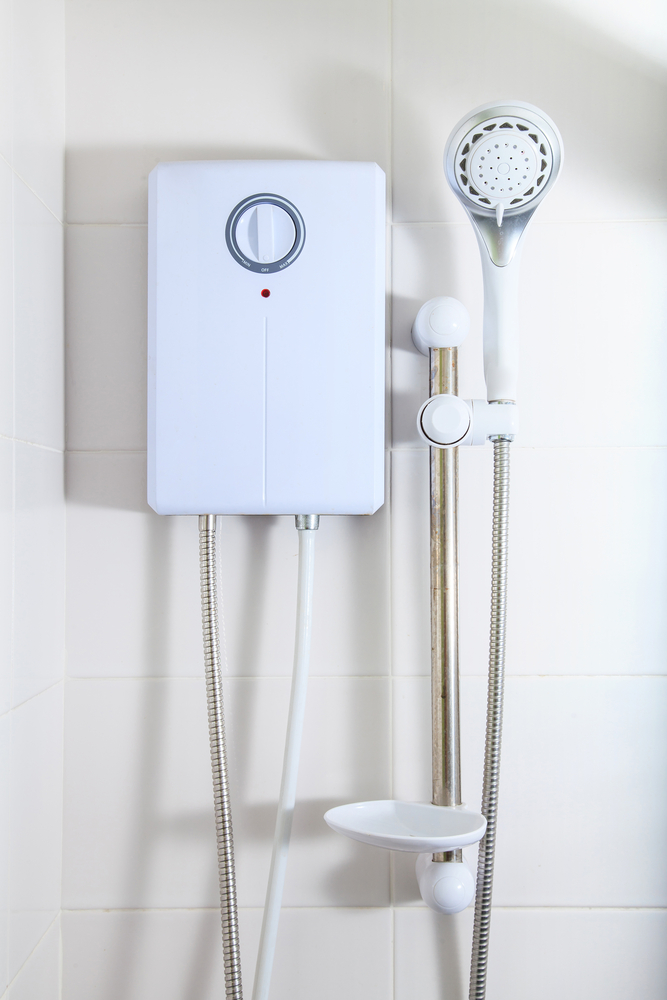
| Physical Equipment Footprint | 12 – 16 Sq. Ft. Floor Space | Zero Floor Space (Wall-Mounted) | Recovers interior square footage |
| System Operational Lifespan | 8 – 12 Years Maximum | 20+ Years Operating Design | Doubles hardware durability |
| Catastrophic Flood Risk | High (50-Gallon Reservoir Failure) | Minimal (No Standing Reservoir) | Shields foundation from flooding |
| Hot Water Supply Volume | Limited to Tank Volume Capacity | Continuous Unlimited Supply | Eliminates thermal recovery delays |
This structural comparison confirms that wall-mounted continuous systems reclaim valuable interior floor space, eliminate reservoir flood hazards, and maximize overall property valuation.
5. Mechanical Integration and Upfront System Planning
Transitioning your home to continuous water heating technology requires precise field execution, certified gas line sizing, and proper venting alignment. Bypassing trained technicians leads to fuel starvation, improper combustion exhaust, and voided manufacturer warranties. We approach every installation with technical discipline, inspecting baseline water pressure, electrical panel capacity, and local water hardness parameters. Our team backs every project with our Trusted Up-Front Pricing Guarantee, so you review full financial parameters before work begins. Through the EcoFi Advantage Membership, property owners receive priority scheduling, annual system flushes, and exclusive savings that maintain peak heat transfer efficiency. Additionally, our Cleaner Than We Found It Guarantee and One-Year Make It Happen Guarantee protect your living space throughout the entire installation process.
Upgrading your home’s water heating system is a strategic investment that balances immediate utility performance against long-term property equity. Continuous-flow technology eliminates standby energy waste, reclaims interior floor space, and stops catastrophic tank ruptures before they damage your foundation. By analyzing thermodynamic efficiency, equipment durability, and operating lifecycle costs, switching to continuous heating delivers measurable financial and operational returns. We apply strict engineering standards, upfront pricing guarantees, and certified field practices to every mechanical installation. Take control of your building’s climate infrastructure today by choosing energy-efficient heating systems engineered for decades of reliable thermal performance.
“Moving ahead, upgrade your home utility system! Call Eco Plumbers, Electricians, and HVAC Technicians at 513-443-1169 for upfront pricing and certified water heating service today.”
FAQs
1. How long does a standard water heating system installation take in Cincinnati, OH?
Installing a replacement storage heating unit in Cincinnati, OH typically takes three to four hours, whereas retrofitting a wall-mounted continuous flow system requires six to eight hours for gas line adjustments and specialized venting.
2. Does hard water impact heating equipment performance in Cincinnati, Ohio?
Yes, dissolved calcium minerals common across Cincinnati, Ohio, precipitate under high heat, forming scale deposits inside heating chambers that require annual descaling maintenance to preserve optimal efficiency.
3. Can wall-mounted continuous heating systems handle high morning water demand in Cincinnati, OH?
Yes, properly sized continuous units installed in Cincinnati, OH, supply continuous hot water to multiple showers simultaneously without running out of hot water or requiring recovery delays.