


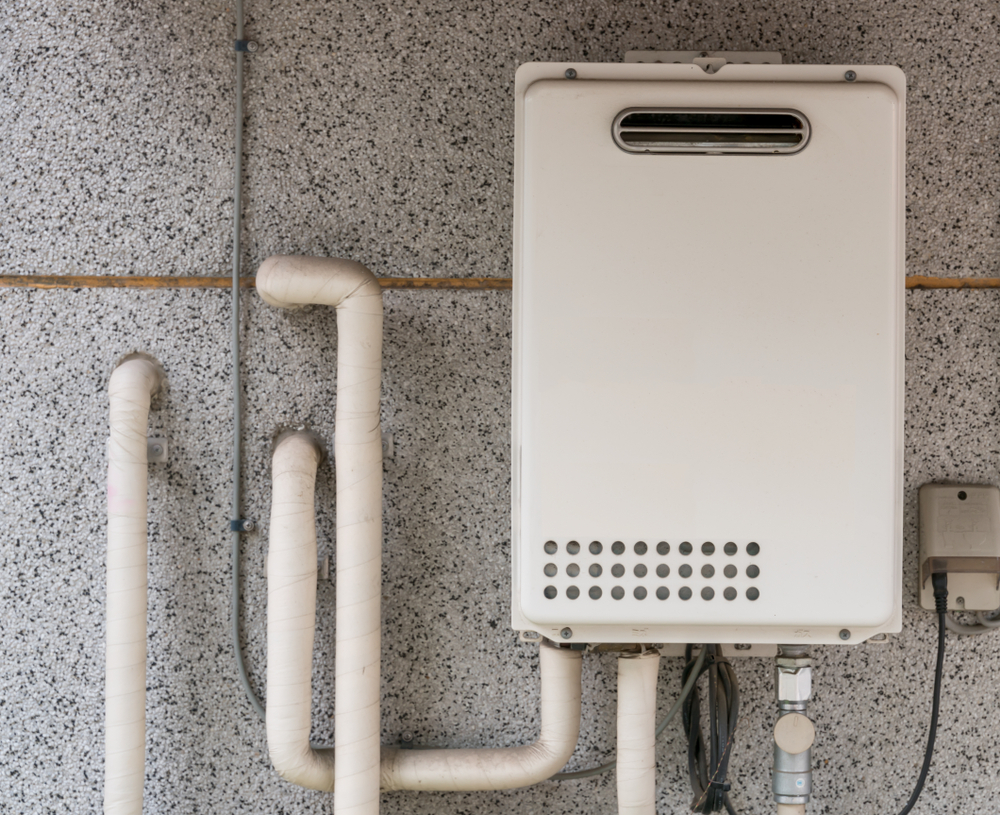
Heating fifty gallons of water twenty four hours a day while no one is home is a massive waste of physical energy and financial capital. Traditional storage tanks are obsolete machinery. They rust, they leak, and they run out of hot water right when you need it most. Upgrading to an on-demand system changes the entire mechanical footprint of your plumbing network. Instead of storing hot water, these advanced units ignite a high capacity burner the exact second you open a faucet, flash heating the fluid as it passes through the copper heat exchanger. You get an infinite supply of hot water. However, slapping a high performance machine onto an outdated plumbing grid will cause immediate failure. Preparing your property for a tankless water heater installation Dayton requires strict engineering discipline. We must evaluate your gas lines, your electrical capacity, and your venting infrastructure before mounting the hardware. Let us look at the mechanical facts to determine if your house can handle this high efficiency upgrade.
1. Upgrading the Gas Delivery Infrastructure
The most critical factor in this transition is fuel volume. A standard storage tank uses a low output gas valve to slowly heat fifty gallons of water over an hour. An on-demand unit does not have that luxury. It must heat freezing groundwater to one hundred and twenty degrees in three seconds. To achieve this, the internal burners demand a massive, instantaneous surge of natural gas. Your existing half inch gas line simply cannot carry that volume. Starving the machine of fuel will cause the computer to lock out and shut down the system. To access the full tankless water heater installation benefits, we must upsize your gas supply line to three quarters of an inch or larger, running directly from the meter to the unit. This guarantees the burners receive the exact British Thermal Units required to maintain peak combustion without dropping the water temperature.
2. Evaluating the Electrical and Venting Setup
These machines are highly sophisticated computers that manage gas flow, water pressure, and exhaust gases simultaneously. They require a dedicated one hundred and twenty volt electrical wall outlet to run the internal motherboard and the digital sensors. Furthermore, the combustion process generates highly acidic exhaust gases. You cannot use standard metal vent pipes. The acidic vapor will eat through galvanized steel in months. Meeting the strict installation requirements dictates routing solid PVC or CPVC piping directly to the exterior of the house to safely exhaust the toxic vapor.
| Hardware Component | Standard Tank Specification | On-Demand System Specification |
| Gas Supply Line | Half inch diameter | Three quarter inch minimum diameter |
| Exhaust Venting | Galvanized metal flue | Acid resistant PVC or CPVC piping |
| Electrical Supply | None required for gas models | Dedicated electrical wall outlet |
| Physical Footprint | Sixteen square feet floor space | Wall mounted zero floor space |
Upgrading the exhaust and electrical infrastructure protects your property from carbon monoxide leaks and circuit overloads. We calibrate every connection to match the demands of the digital control board perfectly.
3. Analyzing the Water Quality Profile
Heating water rapidly accelerates mineral precipitation. If you live in an area with highly mineralized groundwater, sending that raw fluid through a high efficiency heat exchanger is a tactical error. The calcium and magnesium will instantly bake onto the narrow copper tubes inside the machine. This mineral scale acts as an insulating blanket, forcing the burners to run hotter and longer to transfer the same amount of thermal energy. Within a year, the scaled heat exchanger will crack under the extreme thermal stress, destroying the entire unit. We test your water hardness before mounting the hardware. If the calcium levels exceed the manufacturer thresholds, we install a dedicated water softening system or an inline scale inhibitor at the point of entry. This physical filtration intercepts the hard minerals, keeping the internal copper tubes perfectly clean and maximizing the operational lifespan of the machine.
4. Sizing the Flow Rate Capacity
An on-demand system does not hold a reserve of hot water, so we do not measure its capacity in gallons. We measure it in gallons per minute. If you attempt to run two showers, a dishwasher, and a washing machine simultaneously, a small unit will fail to keep up with the physical demand. The internal computer will restrict the water flow to maintain the programmed temperature, leaving you with a freezing trickle at the showerhead. We run a strict load calculation based on the number of plumbing fixtures in your house and the groundwater temperature during the coldest winter months. By mapping your maximum simultaneous flow rate, we select a machine with a burner capacity capable of handling your highest demand periods. This mathematical sizing prevents flow restriction and guarantees the hot water never stops, regardless of how many appliances are running at once.
5. The Financial and Structural Return
Mounting this machinery frees up massive amounts of floor space in your utility room or basement. Standard tanks are ticking time bombs holding fifty gallons of corrosive fluid, waiting to rupture and flood your drywall. Removing the storage tank removes the flood risk entirely. Since the machine only burns gas when a faucet is physically open, your monthly utility bills drop significantly. You stop paying to heat water while you are sleeping or away at work. At Eco Plumbers, Electricians, and HVAC Technicians, we utilize our Property Protection Guarantee and Trusted Up-Front Pricing Guarantee to execute this transition flawlessly. We strip out the obsolete hardware, upgrade the gas and electrical lines, and mount the digital unit securely to your wall. We test the ignition sequence, calibrate the flow sensors, and verify the temperature output before we close out the job, leaving your property cleaner than we found it.
Transitioning to an on-demand heating unit permanently changes how your property operates. It eliminates the physical risk of massive tank ruptures and stops the continuous waste of natural gas. You gain an infinite supply of hot water and reclaim valuable square footage inside your utility room. Upgrading this infrastructure demands precise calculations, larger fuel lines, and acid-resistant exhaust venting. We apply strict engineering protocols to analyze your plumbing grid and execute the mechanical upgrades flawlessly. Stop throwing capital away on obsolete storage tanks. Secure a high-performance digital heating system and protect the long term value of your property.
“Stop heating an empty tank today. Call Eco Plumbers, Electricians, and HVAC Technicians at 937-699-5741 to book your mechanical upgrade and secure infinite hot water.”
FAQs
1. Why do homes in Dayton need larger gas lines for on-demand units?
Homes in Dayton need larger fuel lines because on-demand units burn massive amounts of natural gas in a few seconds to flash heat freezing groundwater instantly.
2. How long does it take to remove a storage tank in a Dayton house?
Removing a storage tank and mounting a high efficiency wall unit in a Dayton house generally requires a full day of mechanical labor and utility upgrades.
3. Do hard water conditions in Dayton damage advanced heating systems?
Yes, the hard groundwater found in Dayton causes rapid calcium scaling inside the narrow copper heat exchangers, making inline filtration mandatory for long term operation.