


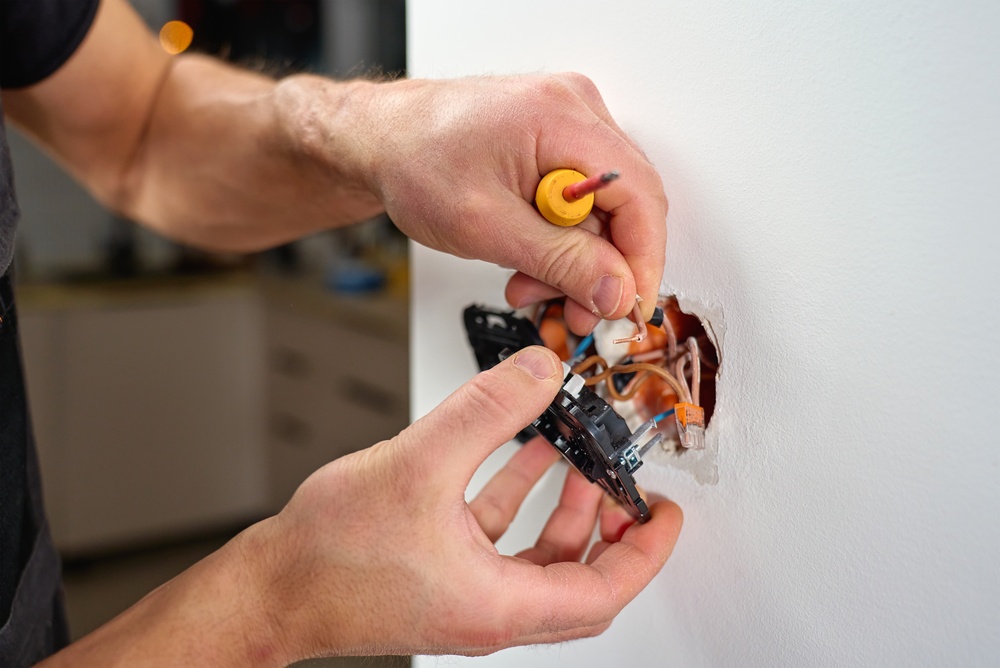
The flow of electricity in your house happens with incredible speed and delivers high voltage to your domestic infrastructure. In the event that your interior copper conductors or breaker panels wear out, this flow will put enormous pressure on them. By neglecting the small electrical issues, you are creating major issues in the form of arc faults and building fires. Home electrical failure leads to more than forty-five thousand home fires each year in the U.S. As per the National Fire Protection Association. By following some electrical safety guidelines used by the people of Dayton, we can detect faulty parts.
1. Thermal Discoloration and Scorched Wall Outlets
When electricity encounters high resistance inside a wall receptacle, excess energy converts instantly into raw heat. Over time, this thermal buildup scorches the faceplate, turning white plastic into yellow or brown carbonized material. Loose terminal screws or worn internal spring contacts reduce contact area, creating micro-arcing. Inspect every outlet monthly for discoloration, warm cover plates, or melted plastic. If a faceplate feels hot to the touch, shut off the corresponding circuit breaker immediately to halt thermal runaway.
2. Persistent Circuit Breaker Trips and Overloaded Bus Bars
Circuit breakers exist to protect your copper wiring from carrying amperage beyond its rated capacity. When a breaker trips repeatedly, it signals a severe current overload, a ground fault, or a short circuit. Forcing a tripped breaker back into the on position without diagnosing the current draw damages the bimetallic strip inside the switch. Knowing when to hire an electrician becomes obvious when a single breaker fails to reset or hums under normal load. We test panel bus bar connections to verify total system balance.
3. Flickering Lights and Voltage Fluctuation Dynamics
Light fixtures should deliver steady illumination. If your lights dim or flicker when high-draw appliances activate, your grid is experiencing severe voltage drops. This symptom points toward loose neutral connections in your main breaker box or an overloaded branch circuit. Leaving these loose conductors unaddressed allows high-voltage arcing to damage sensitive electronics. Tracking these common home electrical problems early prevents severe panel damage and stabilizes current delivery across every room in your residence.
4. Outdated Two-Slot Receptacles and Ungrounded Wiring
Legacy two-prong outlets lack a dedicated equipment grounding conductor. Without a solid path to ground, voltage surges pass directly through connected devices or human operators. Upgrading ungrounded circuits requires structured mechanical evaluation to determine if your home features grounded metal conduit or requires ground-fault protection.
| Receptacle Configuration | Grounding Path Presence | Safety Risk Level | Mechanical Solution |
| Two-Slot Outlet | No Ground Wire | High Shock Threat | Install GFCI or Repull Copper |
| Loose Three-Slot Outlet | Damaged Ground Terminal | Medium Voltage Fluctuation | Replace Internal Receptacle |
| Ungrounded Outlet | Missing Ground Path | High Component Burnout | Upgrade to Three-Wire System |
5. Buzzing Switches and Arcing Electrical Contacts
Wall switches should operate silently. A buzzing, humming, or sizzling sound behind a switch plate indicates active electrical arcing. Arcing occurs when electric current jumps across tiny air gaps between loose wire terminals or worn internal contact points. This electrical spark reaches temperatures exceeding three thousand degrees Fahrenheit, easily igniting surrounding wood studs and drywall paper. If a switch hums or vibrates when flipped, turn off the breaker and replace the failing hardware immediately.
6. GFCI Outlet Moisture Sensor Failures
Ground Fault Circuit Interrupters monitor current balance between hot and neutral conductors, cutting electricity in as little as one-fortieth of a second during a fault. Because GFCIs protect high-moisture zones like kitchens, bathrooms, and garages, their internal sensing circuits suffer from humidity degradation. Test every GFCI outlet monthly by pressing the test button. If the reset button fails to pop out or fails to cut electricity to connected loads, the internal sensor has failed.
7. Overheated Extension Cords and Daisy-Chained Multi-Outlet Strips
Extension cords serve as temporary energy bridges, not permanent structural wiring. Connecting multiple multi-outlet strips together creates massive electrical resistance along thin-gauge conductors. Continuous high-amperage draw causes the vinyl jacket of the extension cord to soften and melt under thermal pressure. Inspect temporary cords monthly for crushed insulation, exposed copper strands, or warm outer jackets. Run dedicated circuits if your electrical demands exceed current wall receptacle availability.
8. Loose Wall Receptacles and Internal Terminal Stress
When plugging a cord into a wall outlet requires zero resistance, the internal metal contact wipes have lost their spring tension. Loose contact wipes create a poor mechanical bond with the plug blades, causing localized heat buildup and intermittent current flow. Furthermore, outlets that move loosely inside wall boxes put physical strain on copper conductor terminations. Secure loose outlet boxes and swap out worn receptacles to maintain tight mechanical contact.
9. Burning Scents near Panel Enclosures and Wire Insulation
Overheated wire insulation releases a distinct, sharp chemical scent long before visible smoke appears. If your main panel enclosure or wall outlets emit an acrid, metallic smell, an active electrical thermal event is occurring inside the wall cavity. High heat melts the thermoplastic sheath surrounding copper wires, creating direct line-to-line short circuits. Shut off main disconnect breakers instantly when you detect burning wire insulation smells and call for technical emergency service.
10. Corroded Service Panels and Moisture Infiltration
Water and high-voltage electricity create a destructive, highly hazardous combination. Main service panels located in basements or exterior walls suffer from condensation, roof leaks, or leaking meter hubs. Moisture trickles down service entrance cables directly onto main breaker terminals, causing heavy rust, green copper corrosion, and severe resistance. Inspect your panel door monthly for rust spots or water streaks. Corroded panel components require immediate technical clearing to stop catastrophic bus bar failure.
Maintaining a safe home electrical grid demands consistent monthly vigilance, physical observation, and zero tolerance for thermal anomalies. Small warning signs like buzzing switches, discolored faceplates, or flickering lights indicate serious underlying current resistance that can rapidly escalate into structural damage. Taking control of your home infrastructure through regular diagnostic sweeps protects your family, preserves your valuable electronics, and keeps your utility systems operating at peak efficiency. When electrical systems show signs of wear, count on our technical precision and dedicated service. We deliver complete mechanical stability to protect your property long into the future.
“Moving ahead, protect your home from hidden electrical threats! Call Eco Plumbers, Electricians, and HVAC Technicians at 937-699-5741 for upfront pricing and certified home safety evaluations today!”
FAQs
1. How often should property owners test safety breakers in Dayton, OH?
Property owners in Dayton, OH, should test ground fault interrupters and arc fault breakers monthly by pressing the test button to confirm internal sensing mechanisms trip properly.
2. Why do electrical switches feel warm during winter months in Dayton, Ohio?
Switches in Dayton, Ohio feel warm when loose terminal screws or high electrical loads create high resistance, requiring immediate technical inspection to prevent internal melting.
3. Are older fuse boxes safe for residential properties in Dayton, OH?
Older fuse boxes in Dayton, OH, struggle to handle modern appliance loads, often causing overloaded circuits that require upgrading to modern breaker panels for safety.