


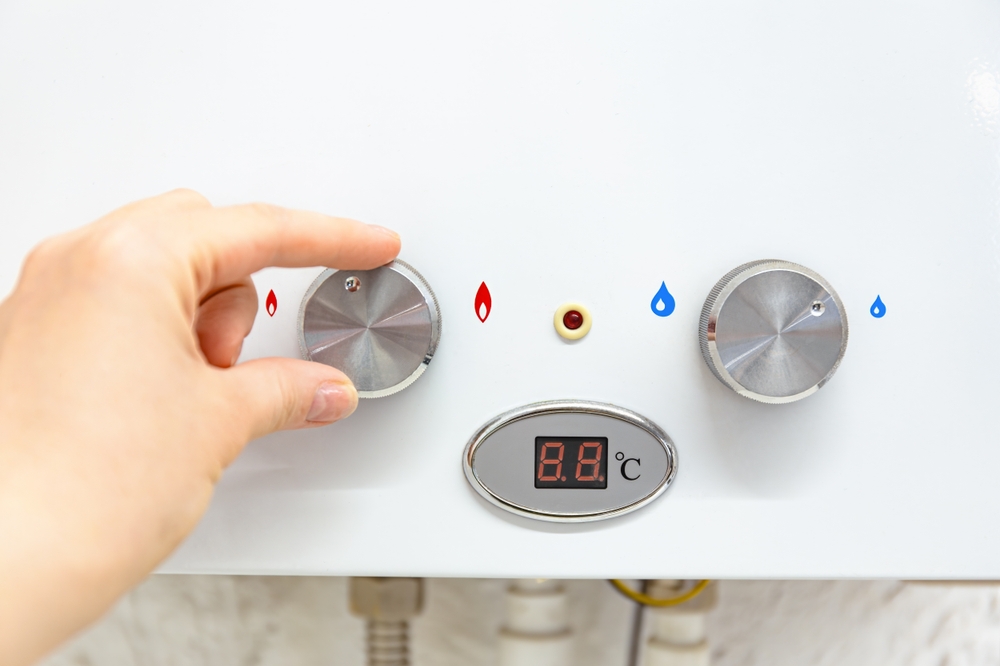
A forced air furnace operates as a heavy piece of mechanical infrastructure that burns combustible fuel to generate thermal energy. When utility bills spike or specific rooms feel cold, the immediate assumption points toward catastrophic mechanical failure. However, system inefficiency frequently stems from restricted airflow, poor baseline calibration, or neglected seasonal maintenance. Addressing these fundamental mechanical factors restores thermal output and saves capital before a technician ever steps foot on the property. Executing dependable gas heating repair tips for Dayton properties require confirms you are not paying for an emergency service visit just to fix a clogged intake filter. At Eco Plumbers, Electricians, and HVAC Technicians, our Eco DNA demands that we prioritize resource conservation, equipment longevity, and maximum efficiency. We train our technicians at The Eco Plumbers University to view the home as a complete thermal ecosystem. We want your hardware running at peak capacity while burning the absolute minimum amount of natural gas. Let us examine the precise physical steps required to optimize your heating grid and protect your physical assets.
1. What Are The Best Thermostat Settings For Maximum Thermal Efficiency?
The thermostat acts as the digital command center for your entire HVAC network. Calibrating this interface correctly stops the furnace from burning natural gas when the house sits empty. Lowering the set point by just three to four degrees during work hours significantly reduces the mechanical load applied to the burners and the heat exchanger. Upgrading to a digital smart thermostat automates this conservation effort completely. These advanced control modules learn your daily schedule, monitor local weather patterns, and prevent rapid short cycling by stabilizing the command signal sent to the furnace control board. By maintaining a steady operational rhythm, the furnace operates in longer, highly efficient cycles. This strict digital control protects the environment by drastically reducing fuel waste and immediately lowers your monthly operational costs.
2. How Does Air Filter Replacement Prevent Airflow Restriction?
A forced air heating system requires a massive, continuous supply of oxygen to function without overheating. When the fiberglass or pleated return filter clogs with dust, pet hair, and airborne particulate, it acts as a solid physical barrier. This severe restriction starves the blower motor of return air, causing the internal heat exchanger to rapidly climb past safe operating temperatures. Restricted airflow ranks among the most frequent common gas heating problems we encounter during winter service calls. When the system overheats, the internal high limit switch triggers a total system shutdown to prevent a structural fire. Swapping a dirty filter for a clean, high efficiency pleated filter restores optimal airflow instantly. This simple physical replacement prevents the expensive blower motor from burning out, extends the life of the heat exchanger, and keeps the combustion chamber operating safely within factory temperature parameters.
3. Why Do Blocked Vents Force The Furnace To Short Cycle?
Closing supply registers in unused rooms creates severe static pressure imbalances inside your metal ductwork. Modern furnaces calculate airflow based on a fully open and balanced duct system. When you shut vents or place heavy furniture directly over floor registers, the trapped heated air backs up into the primary supply trunk. The furnace detects this massive pressure spike and shuts the burner assembly down prematurely to protect the internal components. This rapid on and off sequence destroys the ignition hardware, ruins the flame sensor, and wastes massive amounts of natural gas. You must walk through the property and physically verify that every supply and return vent remains completely unobstructed. Maintaining open airflow paths allows the thermal energy to distribute evenly across all zones, reducing the mechanical strain on the blower motor and preventing erratic heating cycles.
4. How Does Managing Home Insulation Reduce Combustion Demand?
Your furnace operates constantly to replace the heat that escapes through the exterior building envelope. If your property leaks thermal energy through drafty window frames or poorly insulated attic spaces, the heating system will run continuously without ever reaching the desired set point. Sealing these structural gaps directly reduces the British Thermal Units required to maintain comfortable indoor temperatures.
| Structural Vulnerability | Thermal Impact | Corrective Action |
| Unsealed Attic Hatches | Massive vertical heat loss | Apply heavy foam weatherstripping |
| Drafty Window Frames | Cold air infiltration | Seal exterior gaps with silicone caulk |
| Uninsulated Basement Ducts | Thermal energy bleeds into cold zones | Wrap exposed metal in foil insulation |
| Worn Exterior Door Sweeps | Ground level drafts | Install rigid rubber bottom sweeps |
Locking down the thermal envelope of the building forces the warm air to stay inside the living space. This directly aligns with our core conservation goals, meaning the furnace burns significantly less fuel and runs for much shorter durations.
5. What Mechanical Failures Indicate It Is Time To Seek Help?
Once you verify the airflow is completely clear and the digital thermostat is properly calibrated, any remaining operational issues point directly to internal hardware failure. Yellow burner flames, loud metallic grinding, or the smell of raw fuel demand immediate technical intervention. Knowing exactly when to call a professional protects your property from catastrophic fires and lethal carbon monoxide leaks. At Eco Plumbers, Electricians, and HVAC Technicians, we utilize digital combustion analyzers to test the safety and efficiency of your gas system. We approach these repairs with absolute clarity, utilizing our Trusted Up-Front Pricing Guarantee before turning a single wrench. We extract failed gas valves and seized blower motors, honoring our Cleaner Than We Found It Guarantee by leaving your utility room spotless. Trusting trained engineers to handle combustible fuel lines secures your property, and our No Lemons Guarantee protects your investment moving forward.
Maximizing the efficiency of your heating infrastructure requires clearing physical obstructions and locking down your exterior building envelope. Replacing clogged filters, opening all supply vents, and calibrating your thermostat reduces mechanical strain and prevents massive fuel waste. However, when baseline optimization fails to restore heat, the system requires diagnostic intervention. Handling combustible natural gas and high voltage electrical components is strictly a job for highly trained tradesmen. At Eco Plumbers, Electricians, and HVAC Technicians, we deliver eco-friendly solutions backed by rigid safety protocols and industry leading guarantees. Secure your physical comfort and protect your assets by relying on our technical expertise to restore your heat safely.
“Stop freezing and wasting fuel. Call Eco Plumbers, Electricians, and HVAC Technicians at 937-699-5741 for fast, guaranteed heating repairs today.”
FAQs
1. Why do gas furnaces in Dayton, Ohio, shut down during extreme cold snaps?
Freezing temperatures in Dayton, Ohio, can cause exterior exhaust pipes to block with heavy ice, triggering an internal safety switch that shuts the burners off instantly.
2. How often should a homeowner in Dayton, OH, change their furnace filter?
A homeowner in Dayton, OH, should inspect and replace standard one inch filters every thirty days during peak winter usage to maintain proper unrestricted airflow.
3. Do older heating systems in Dayton run less efficiently over time?
Yes, older heating systems in Dayton lose structural efficiency as internal heat exchangers warp and burner orifices clog with decades of combustion carbon.