


What's Ahead
You use your garbage disposal to make kitchen cleanup faster, but putting the wrong foods down it can lead to slow drains, stubborn clogs, foul odors, and a disposal that stops working altogether. The frustrating part is that many of the items that cause these problems, such as coffee grounds, grease, pasta, and vegetable peels, seem completely harmless.
At Eco Plumbers, Electricians, and HVAC Technicians, we’ve helped Ohio and Kentucky homeowners diagnose and resolve plumbing problems caused by jammed garbage disposals, damaged components, and clogged drain lines. In many cases, the issue starts with everyday food scraps that should have gone into the trash or compost instead.
In this article, you’ll learn which foods and household items should never go down a garbage disposal, why they can damage your disposal or plumbing, and what you should do with them instead.
What Foods Should Never Go Down a Garbage Disposal?
Your garbage disposal is designed to handle small amounts of soft food waste. Tough, fibrous, starchy, greasy, or expandable foods can jam the disposal, coat your pipes, or create stubborn clogs.
Here are 10 of the biggest offenders.
1. Grease, Fat, and Cooking Oil
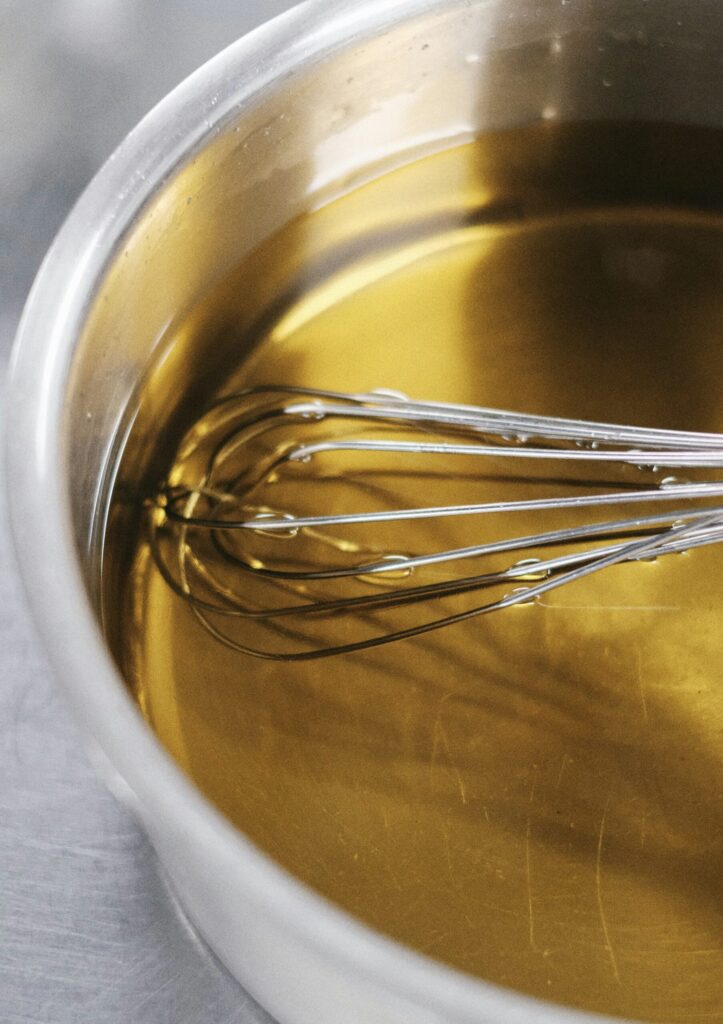
Grease may enter your drain as a liquid, but it does not stay that way. As it cools, it solidifies along the inside of your pipes, where it can trap food particles and gradually form a blockage.
Avoid pouring these items down your disposal:
- Bacon grease
- Frying oil
- Butter
- Shortening
- Meat drippings
Let grease cool in a disposable container, then place it in the trash.
2. Coffee Grounds
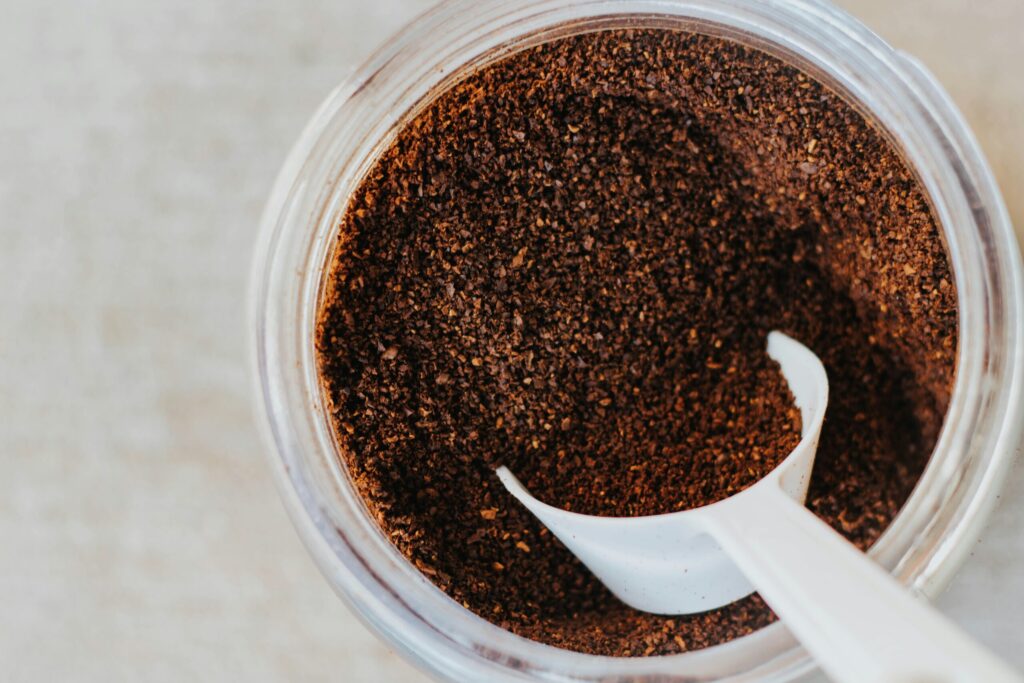
Coffee grounds may seem harmless because they are small, but they do not dissolve in water. Instead, they can collect inside your drain lines and form a thick, sludgy buildup, especially when combined with grease or oil.
Place used coffee grounds in the trash or add them to a compost pile when appropriate.
3. Eggshells
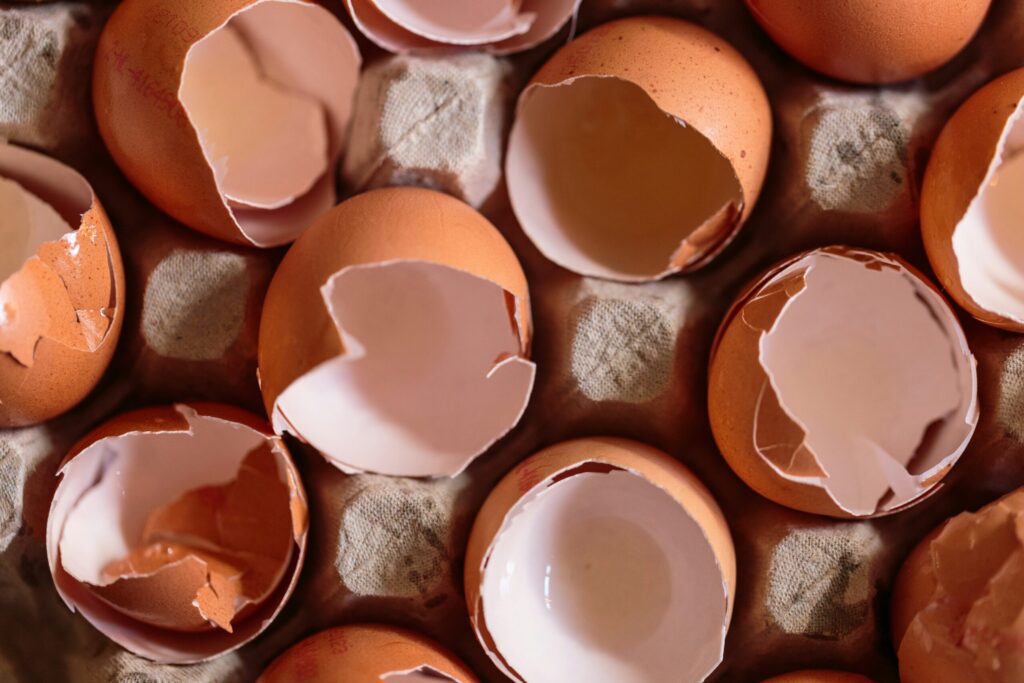
You may have heard that eggshells can sharpen the blades inside a garbage disposal, but this is a common myth. Most garbage disposals use blunt impellers to force food against a grinding ring rather than sharp blades.
The thin membrane inside an eggshell can wrap around moving components, while crushed shell particles may contribute to buildup inside your drain.
Eggshells belong in the trash or compost, not the garbage disposal.
4. Fibrous Vegetables
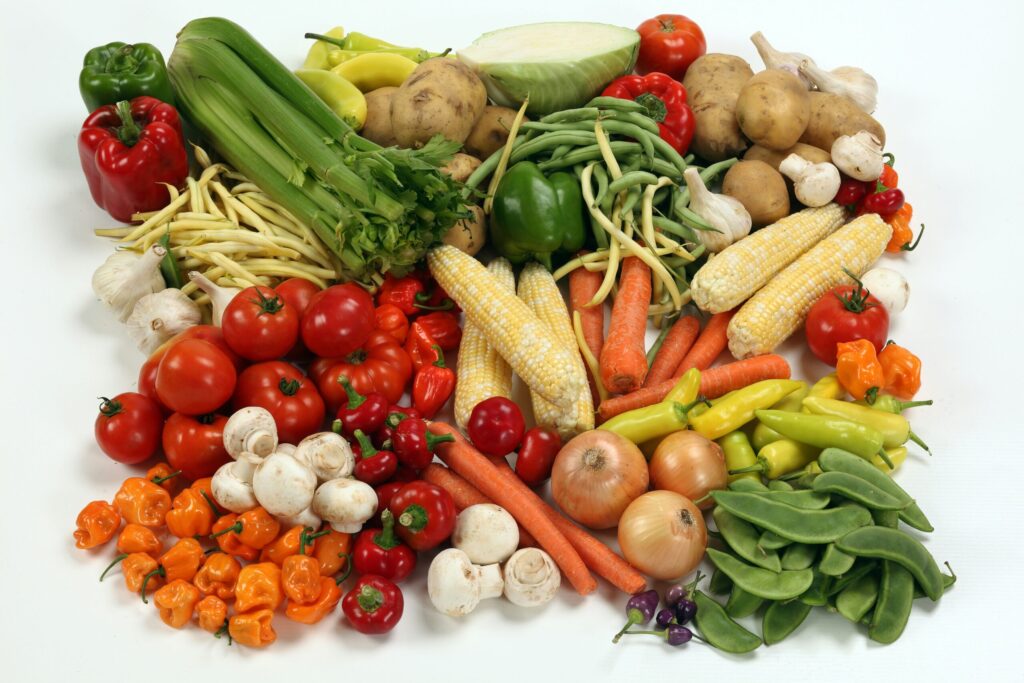
Stringy vegetables can wrap around the disposal’s moving parts and cause the motor to jam.
Common examples include:
- Celery
- Corn husks
- Asparagus
- Artichokes
- Onion skins
- Rhubarb
These foods contain long, tough fibers that can behave like string inside the disposal.
Cut fibrous vegetables into compostable pieces or throw them away instead of grinding them.
5. Pasta, Rice, and Bread
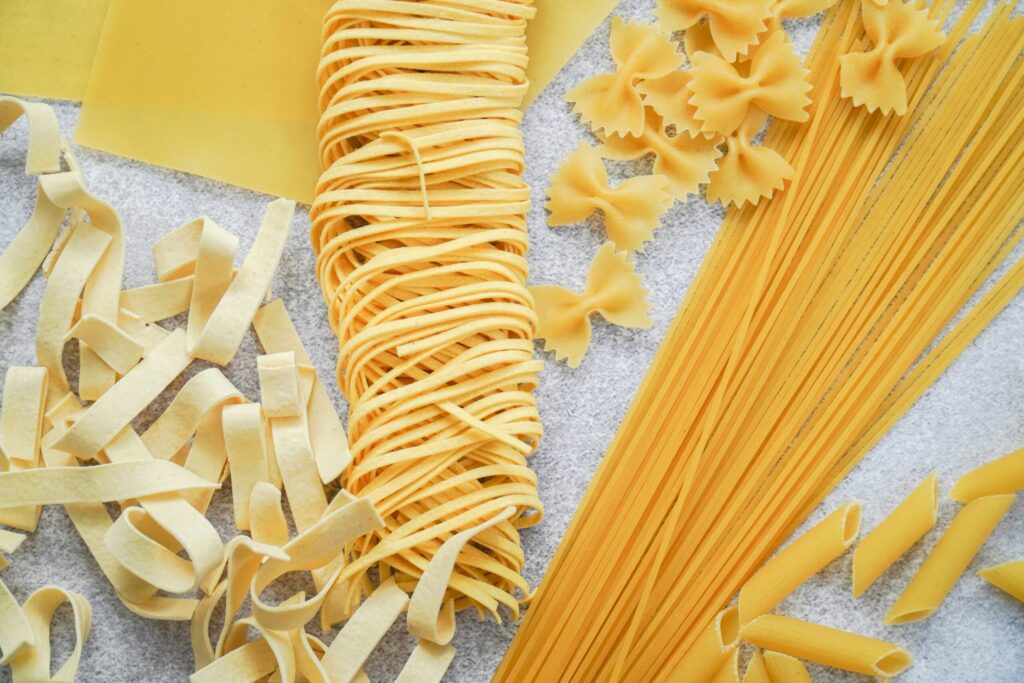
Pasta, rice, and bread continue absorbing water after they enter your plumbing. As they expand, they can form a sticky mass that restricts water flow and increases the risk of a clogged drain.
Even small amounts can collect over time, especially when combined with grease or other food debris.
Scrape pasta, rice, and bread into the trash before rinsing your dishes.
6. Potato Peels
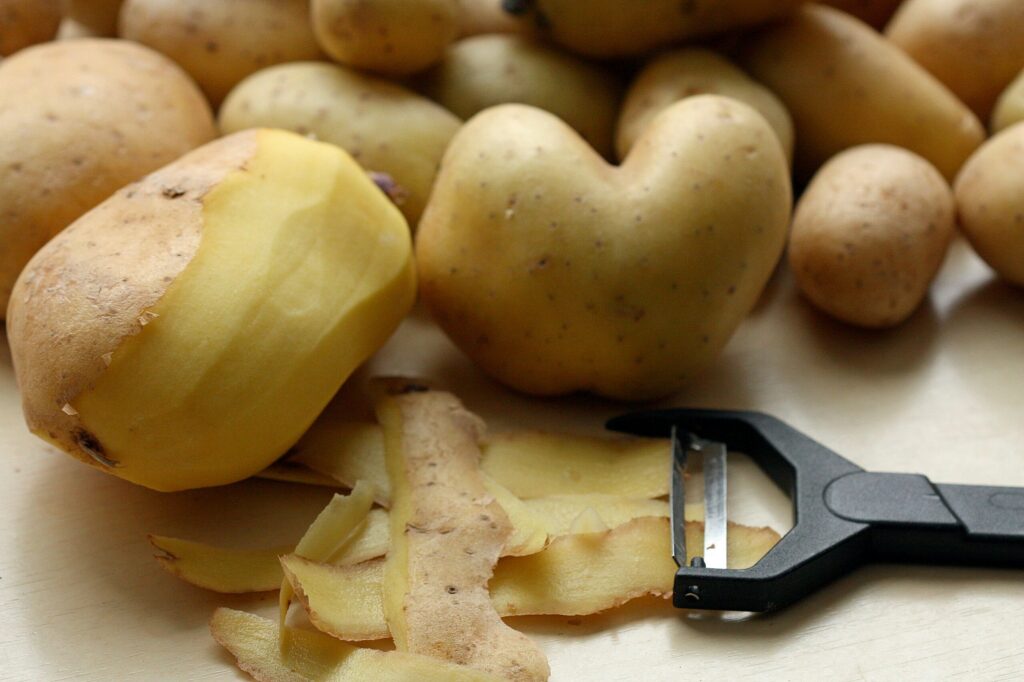
Potato peels may seem soft enough for a garbage disposal, but their high starch content can cause problems. Once ground, the peels can turn into a thick paste that coats the inside of the disposal and drain lines.
This sticky residue makes it easier for other food particles to collect, which can lead to slow drainage and recurring clogs.
Place potato peels in the trash or compost bin.
7. Fruit Pits and Large Seeds
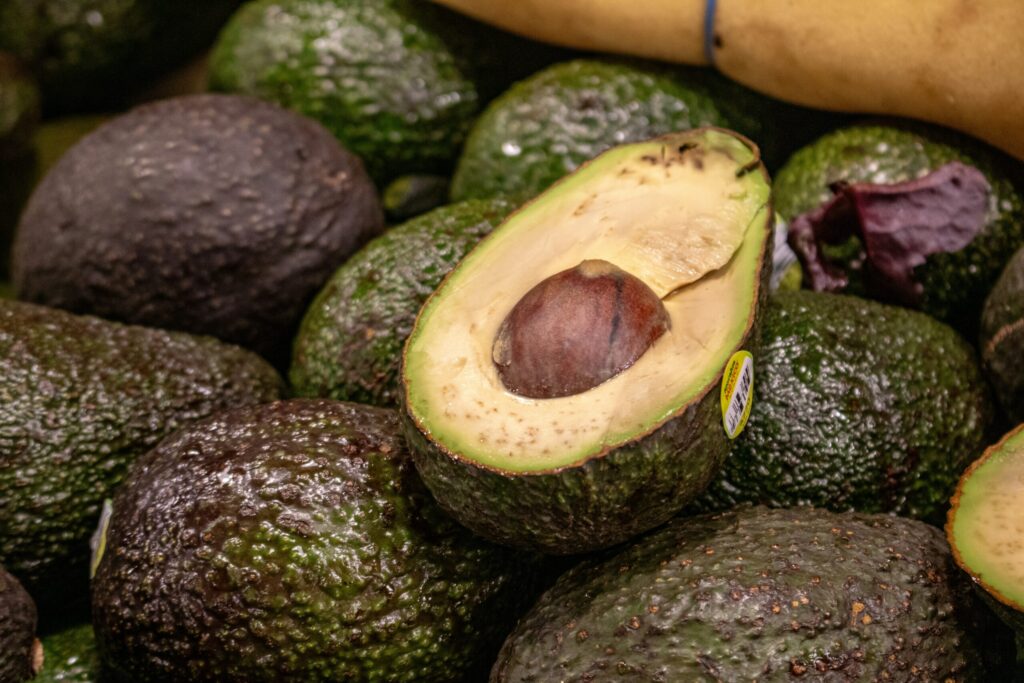
Hard fruit pits and large seeds are too dense for most residential garbage disposals.
Examples include:
- Peach pits
- Avocado pits
- Mango seeds
- Cherry pits
Attempting to grind these items can jam the disposal, damage internal components, or cause the motor to overheat.
Remove pits and large seeds before placing fruit scraps near the disposal.
8. Bones
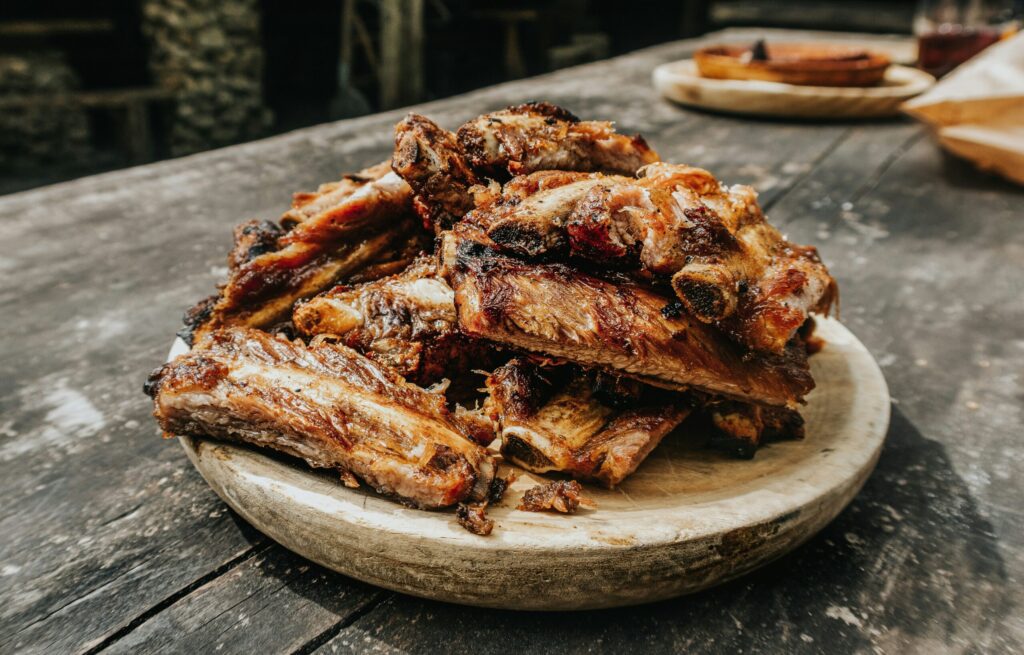
Some garbage disposals may be able to grind very small bones, but regularly putting bones down the drain is not recommended. Larger or thicker bones can jam the disposal, damage the grinding components, and shorten the unit’s lifespan.
When in doubt, place bones in the trash.
9. Seafood Shells
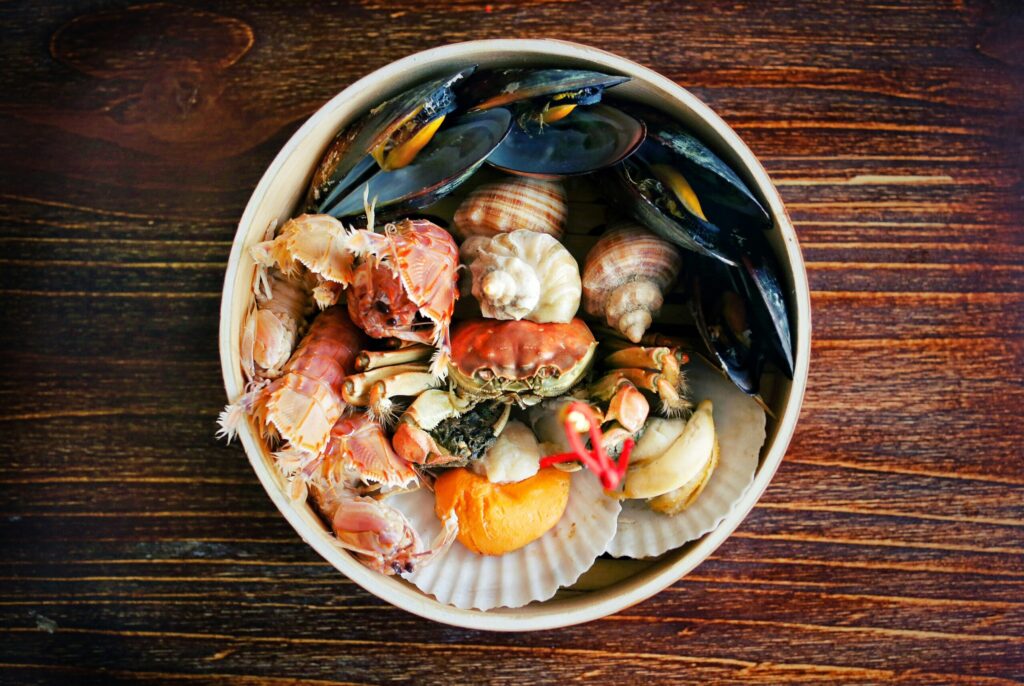
Shrimp shells, crab shells, lobster shells, and clam shells are hard, fibrous, and irregularly shaped. They can damage the disposal, wrap around moving parts, or create blockages if they are not fully ground and flushed through the drain.
Dispose of seafood shells in the trash or compost them when local guidelines allow.
10. Foods That Expand in Water
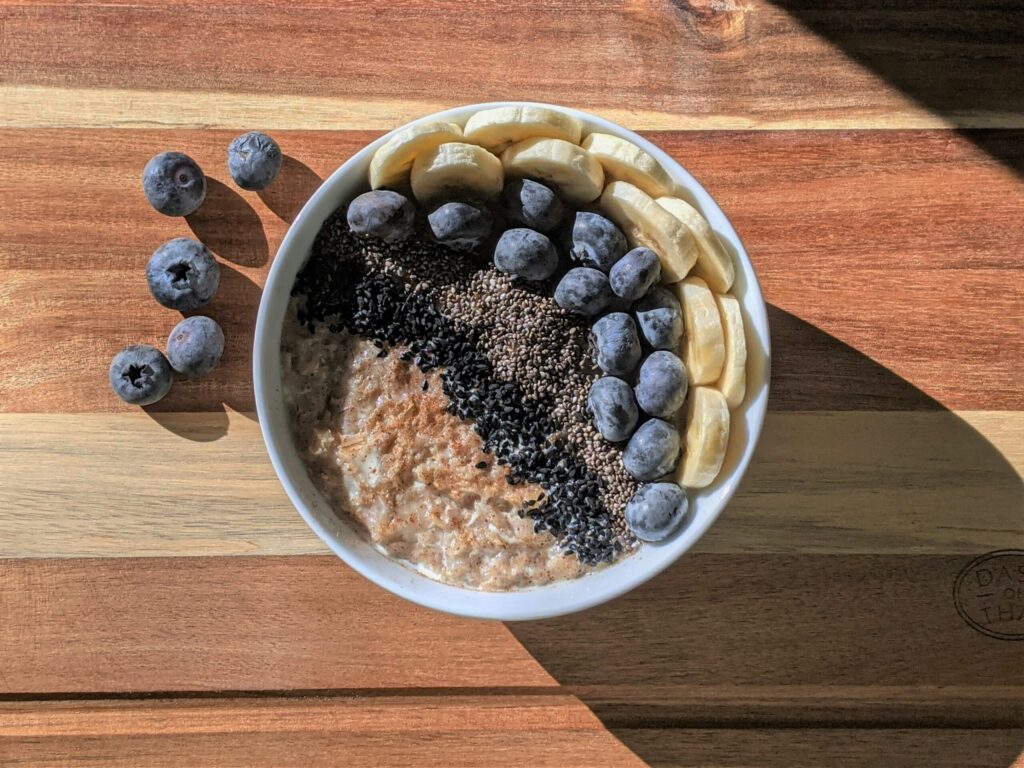
Foods such as oatmeal, quinoa, chia seeds, and other grains absorb water and expand. If they enter your drain, that expansion can occur inside the plumbing system and contribute to a clog.
Keep expandable foods out of the disposal, even when you are only discarding a small amount.
What Non-Food Items Should Never Go Down a Garbage Disposal?
Some items may accidentally slip into the sink, but even small foreign objects can jam the disposal, damage its internal components, or cause the motor to fail.
Never put these items down your garbage disposal:
- Plastic
- Glass
- Metal objects
- Twist ties
- Paper towels
- Produce stickers
- Rubber bands
- Sponges
- Cigarette butts
A garbage disposal is designed for small amounts of food waste, not household trash or packaging materials.
If something falls into the disposal, turn off the unit and disconnect its power before trying to remove it. Never reach into the disposal with your bare hand. Use tongs or pliers when possible, and contact a plumber if the object is stuck or difficult to reach.
What Can Safely Go Down a Garbage Disposal?
A garbage disposal should never take the place of your trash can or compost bin. However, it can usually handle small amounts of soft food waste, including:
- Soft fruits without pits
- Soft, nonfibrous vegetables
- Small amounts of plate scraps
- Cooked meat scraps without bones
- Small pieces of citrus peel
Use citrus peels sparingly. While they may temporarily freshen the disposal, too many can contribute to buildup or clogs.
Run cold water before turning on the disposal, keep it running while food is being ground, and continue running it for several seconds afterward. This helps carry food particles through the drain line instead of allowing them to collect inside your plumbing.
How Can You Help Your Garbage Disposal Last Longer?
Simple habits can reduce wear, prevent clogs, and help your garbage disposal last longer. Feed food into the disposal gradually instead of pushing in large amounts at once, and always use plenty of cold running water while the unit is operating.
Avoid pouring grease, fat, or oil down any drain, since these materials can harden inside your pipes and trap food debris. Clean the disposal regularly using methods approved by the manufacturer, and schedule plumbing service if you notice recurring jams, leaks, unusual noises, or slow drainage.
Taking a few extra seconds during cleanup can help you avoid inconvenient breakdowns and costly plumbing repairs later.
Your Garbage Disposal Isn't Meant to Handle Everything
Knowing what should never go down a garbage disposal is one of the easiest ways to prevent clogs, unpleasant odors, and costly plumbing repairs. By keeping grease, coffee grounds, starchy foods, hard objects, and other problem items out of your disposal, you can help protect both the unit and your home’s plumbing system.
If you came to this article because you’re dealing with a slow drain, recurring jams, or a disposal that isn’t performing like it used to, remember that improper use is only one possible cause. Even a well-maintained garbage disposal will eventually wear out over time.
Your next step is to learn Signs Your Garbage Disposal Needs to Be Replaced. In that guide, we’ll explain the warning signs that indicate a repair may no longer be enough, how long garbage disposals typically last, and when replacing the unit is the smarter investment.
At Eco Plumbers, Electricians, and HVAC Technicians, we’re committed to helping Ohio and Kentucky homeowners make informed decisions about their plumbing systems, whether that means preventing problems through proper maintenance or knowing when it’s time to replace aging equipment.
FAQs
Can You Put Lemon Peels in a Garbage Disposal?
Yes, but only in small amounts. A few small pieces of lemon or other citrus peel may help freshen the disposal temporarily, but too many can contribute to buildup or clogs. Cut the peel into small pieces, use cold running water, and follow your disposal manufacturer’s recommendations.
Is It Safe to Put Ice Cubes in a Garbage Disposal?
In many cases, yes. Ice cubes can help loosen residue inside the grinding chamber, but recommendations vary by manufacturer and model. Check your owner’s manual before using ice as part of your cleaning routine.
Can a Garbage Disposal Handle Food Scraps Every Day?
Yes, as long as you limit it to small amounts of soft food waste. Avoid fibrous, greasy, starchy, hard, or expandable foods, and run cold water before, during, and after using the disposal.