


What's Ahead
Have you noticed your water bill climbing even though your household habits haven’t changed? Older toilets, faucets, showerheads, and hidden leaks can waste thousands of gallons of water each year, leaving you to pay for water you never intended to use.
At Eco Plumbers, Electricians, and HVAC Technicians, we help Ohio homeowners identify which plumbing upgrades actually reduce water and energy costs—and which products are unlikely to deliver enough savings to justify the investment.
In this article, you’ll learn which water-saving plumbing upgrades offer the best return, how they can lower your monthly utility bills, and how to decide which improvements make the most sense for your home.
Which Water-Saving Plumbing Upgrades Save the Most Money?
Some water-saving upgrades cost only a few dollars and begin reducing waste immediately. Others require a larger upfront investment but can deliver greater savings, prevent costly water damage, or extend the life of your plumbing system.
The upgrades that typically offer the strongest return include:
- Low-flow toilets
- High-efficiency showerheads
- Water-saving faucets and aerators
- Smart leak detection systems
- Tankless water heaters
- High-efficiency water heaters
- Pressure-reducing valves
- ENERGY STAR® dishwashers and washing machines
Below, we’ll break down how each upgrade works, what it may cost, and where it can provide the most value in your home.
Low-Flow Toilets Can Save Thousands of Gallons Every Year
Replacing an older toilet can be one of the most effective ways to reduce indoor water use. Older toilets can use up to 6 gallons per flush, while EPA WaterSense-labeled toilets use 1.28 gallons per flush or less and are independently certified to provide equal or better performance than standard models.
For a family of four, that difference can add up to thousands of gallons of water saved each year. A high-efficiency toilet may also provide:
- Lower monthly water bills
- More reliable flushing performance
- Fewer clogs and maintenance issues
- A more efficient and attractive bathroom fixture
Although replacing a toilet costs more upfront than installing a faucet aerator or showerhead, the long-term reduction in water use can make it a worthwhile investment, especially if your current toilet is more than 20 years old, runs frequently, or requires repeated repairs.
Some customers perceive low-flush toilets as less powerful because they use less water per flush. However, modern designs often compensate with improved flushing technology, so performance varies by model and installation.
Three High-Efficiency Toilets to Consider
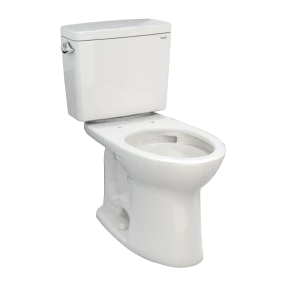
TOTO Drake Two-Piece Toilet: Uses 1.28 gallons per flush and features TOTO’s water-saving Tornado Flush system.
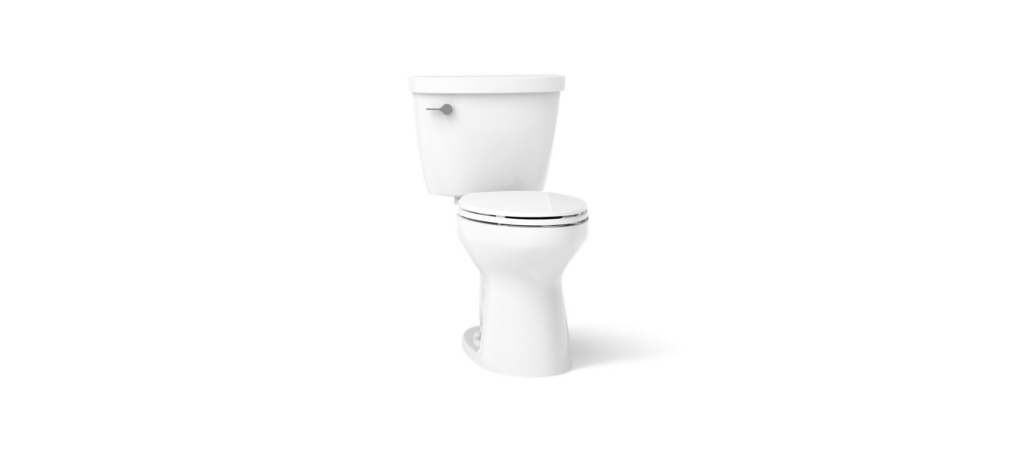
Kohler Cimarron Two-Piece Toilet: A chair-height, elongated model that uses 1.28 gallons per flush and is EPA WaterSense certified.
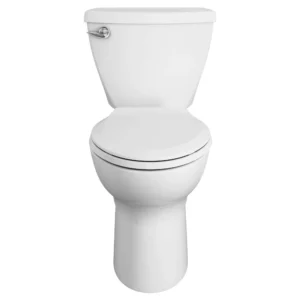
American Standard Cadet 3 FloWise Toilet: Uses 1.28 gallons per flush, is WaterSense certified, and includes an elongated chair-height bowl.
Before choosing a model, confirm the toilet’s rough-in measurement, bowl shape, seat height, and available bathroom space.
High-Efficiency Showerheads Reduce Water Use Without Reducing Comfort
Modern high-efficiency showerheads use less water while still delivering strong, comfortable water pressure.
Many homeowners worry that a low-flow showerhead will result in a weak or unsatisfying shower. While that may have been true for certain models, newer options use improved spray patterns and pressure-compensating technology to maintain performance while reducing water use.
Replacing an outdated showerhead can reduce the amount of water used during each shower. Because less hot water is needed, you may see savings on both your monthly water bill and your monthly energy bill.
This is also one of the simplest and most affordable water-saving upgrades. In many cases, a homeowner can replace a showerhead in less than 30 minutes with only basic tools.
Three High-Efficiency Showerheads to Consider
Delta H2Okinetic® 5-Setting Shower Head (Model 75569CSN): This WaterSense-certified showerhead uses Delta’s H2Okinetic technology to create the feeling of more water while using less. It features five spray settings and is designed to provide wider spray coverage without increasing water consumption.
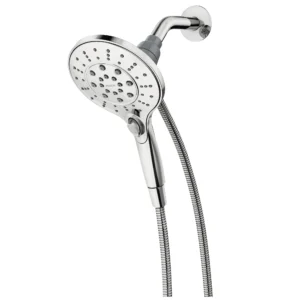
Moen Engage Magnetix Eco-Performance Handheld Showerhead (Model 26112EP): This WaterSense-certified handheld showerhead features a magnetic docking system, six spray settings, and a 1.75 GPM flow rate. It’s a great choice for homeowners who want flexibility, convenience, and water savings.
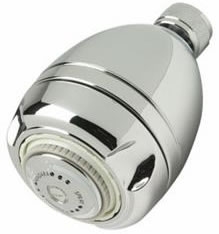
Niagara Earth® 1.75 GPM Showerhead: This WaterSense-certified fixed showerhead uses pressure-compensating technology to maintain a strong spray while using just 1.75 gallons of water per minute. Its simple design and affordable price make it a popular choice for homeowners looking to conserve water without sacrificing performance.
Before choosing a showerhead, consider your preferred spray pattern, whether you want a fixed or handheld model, your desired flow rate, and whether the product is EPA WaterSense certified. The right showerhead should balance comfort, water efficiency, and ease of installation.
Faucet Aerators Are Small Upgrades With Big Savings
A faucet aerator is one of the most affordable ways to reduce water use without replacing the entire fixture.
Aerators mix air into the water stream, which lowers the flow rate while maintaining steady pressure. They can be installed on:
- Bathroom faucets
- Kitchen faucets
- Utility sinks
Most aerators cost only a few dollars and can begin reducing water waste immediately. For homeowners looking for a low-cost place to start, this upgrade can deliver meaningful savings with minimal installation time and expense.
Three Water-Saving Faucet Aerators to Consider
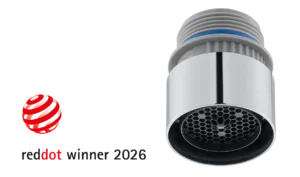
NEOPERL Mini Ecobooster: This kitchen faucet aerator allows you to switch between a water-saving mode and a higher-flow setting when you need to fill a pot or complete another high-volume task.
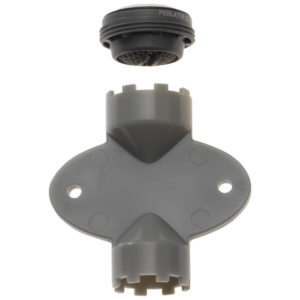
Delta 1.2 GPM Water-Efficient Aerator: This aerator limits flow to 1.2 gallons per minute and is designed to provide a smooth, consistent stream while reducing water use.
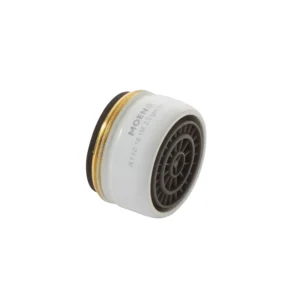
Moen Eco-Performance Aerators: Moen offers several water-saving aerator inserts with flow rates ranging from 0.5 to 1.5 gallons per minute. Compatibility varies by faucet model, so confirm the part number before purchasing.
Before choosing an aerator, check your faucet’s thread size and determine whether it has male or female threads. If the threads are on the outside of the faucet spout, you need a female-thread aerator. If the threads are on the inside, you need a male-thread aerator. Kitchen faucets typically benefit from a higher flow rate than bathroom faucets.
Smart Leak Detection Systems Prevent Expensive Water Waste
Small plumbing leaks can cost homeowners far more than they realize. A dripping faucet, running toilet, or slow pipe leak may seem minor, but over time it can waste thousands of gallons of water and increase the risk of expensive property damage.
Smart leak detection systems monitor water use throughout your home and alert you when they detect unusual activity. Some advanced systems can also shut off your main water supply automatically when they identify a serious leak.
Key benefits include:
- Lower water bills
- Earlier detection of hidden leaks
- Reduced risk of water damage
- Greater peace of mind while you are away from home
By catching problems early, a smart leak detection system can help you avoid paying for wasted water and prevent a small issue from turning into a costly emergency.
Three Smart Leak Detection Systems to Consider
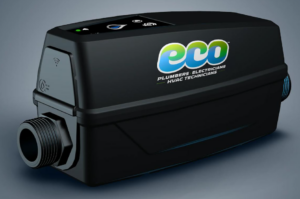
Eco’s LeakSecure: LeakSecure provides whole-home leak detection with automatic and remote water shutoff. The system monitors normal water-use patterns, sends alerts when it detects unusual activity, and allows you to shut off the water from your phone. It is a strong option for homeowners who want professional installation and whole-home protection through Eco Plumbers, Electricians, and HVAC Technicians.
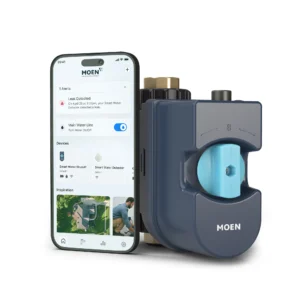
Flo Smart Water Monitor and Shutoff by Moen: Flo monitors water flow, pressure, and temperature while learning your household’s typical usage patterns. It can alert you to small leaks, running water, or unusual consumption and automatically shut off the main water supply when it detects a serious problem.
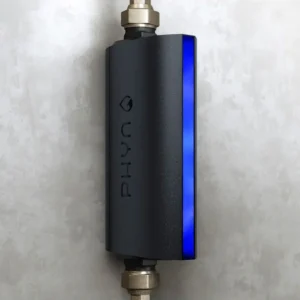
Phyn Plus Smart Water Assistant and Shutoff: Phyn Plus uses pressure-wave analysis to identify unusual plumbing activity, notify you of potential leaks, and shut off the water automatically when needed. It also provides information about household water consumption through its mobile app.
Before choosing a system, confirm the size of your main water line, Wi-Fi requirements, available power source, automatic shutoff capabilities, and whether professional installation is required.
Tankless Water Heaters Reduce Energy Costs
Tankless water heaters can reduce energy waste by heating water only when you need it.
Traditional tank water heaters keep a full tank of water hot throughout the day, even when no one is using it.
Potential benefits include:
- Lower energy costs
- A continuous supply of hot water
- A longer expected equipment lifespan
- More available storage space
Tankless water heaters typically cost more to purchase and install than traditional models. The long-term savings can make the investment worthwhile for some households, especially those with consistent hot water demand or an aging water heater that already needs to be replaced.
Three Tankless Water Heaters to Consider
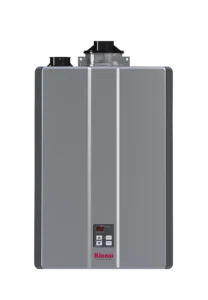
Rinnai SENSEI RU199iN: This high-efficiency condensing natural gas model is designed for indoor installation and can provide a continuous supply of hot water while taking up much less space than a storage tank.
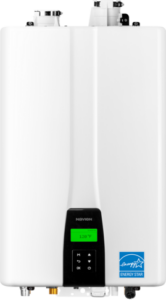
Navien NPE-240A2: This condensing tankless water heater includes dual stainless steel heat exchangers and a built-in recirculation pump. It may be a good option for larger households that want faster hot water delivery and high-demand performance.
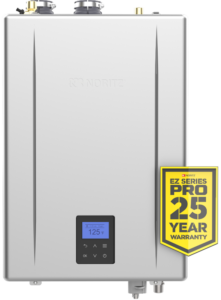
Noritz EZ111: This high-efficiency condensing model is designed to simplify the replacement of some traditional tank water heaters. Its flexible venting and installation options may make it a practical choice for retrofit projects.
Before choosing a tankless water heater, have a licensed plumber evaluate your household’s peak hot water demand, available fuel supply, venting requirements, electrical needs, and incoming groundwater temperature. The right model must be sized for how many fixtures you may use at the same time.
High-Efficiency Water Heaters Use Less Energy Every Day
If a tankless system is not the right fit for your home, a high-efficiency storage water heater can still help reduce energy use and lower utility costs.
Newer models may include:
- Better tank insulation
- More efficient burners
- Heat pump technology in electric models
- Improved temperature controls
These features allow the system to deliver the hot water your household needs while using less energy than many older units.
Because water heating accounts for a meaningful share of household energy use, even a modest improvement in efficiency can create noticeable savings over the life of the equipment. A high-efficiency storage model can be especially practical if you want lower operating costs without the higher installation requirements of a tankless system.
Three High-Efficiency Water Heaters to Consider
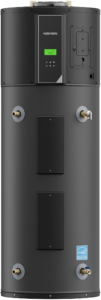
Navien NWP500 Series Heat Pump Water Heater: The Navien NWP500 Series uses heat pump technology to reduce electricity use and includes a durable stainless steel tank, built-in Wi-Fi, multiple energy-saving operating modes, and demand-response capability. It is available in 50-, 65-, and 80-gallon models.
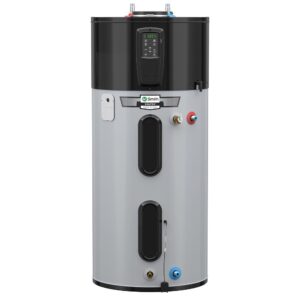
A. O. Smith Voltex AL Smart Hybrid Electric Heat Pump Water Heater: The Voltex AL combines heat pump technology with traditional electric heating elements. Select models also include smart controls, leak detection, and an optional automatic water shutoff.
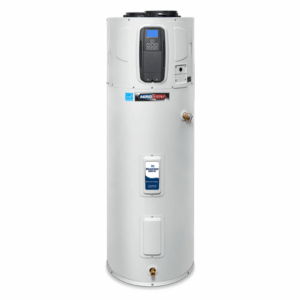
Bradford White AeroTherm Series Heat Pump Water Heater: The AeroTherm Series uses surrounding air to heat water more efficiently and is available in multiple tank sizes. Select models also support scheduling, temperature adjustments, and energy-use monitoring through the Bradford White Wave app.
Before choosing a high-efficiency water heater, compare the tank capacity, Uniform Energy Factor, first-hour rating, installation space, electrical requirements, noise level, and available utility rebates. A licensed plumber can help determine which model can meet your household’s hot water demand without being oversized.
Pressure-Reducing Valves Protect Your Plumbing and Reduce Water Waste
Excessive water pressure can increase water use and put unnecessary strain on your plumbing system.
Many homeowners do not realize that their water pressure is higher than it needs to be. Over time, this can contribute to leaks, worn fixtures, damaged supply lines, and higher water bills.
Installing a pressure-reducing valve can help:
- Lower unnecessary water consumption
- Reduce stress on pipes and fixtures
- Extend the life of faucets, appliances, and plumbing components
- Decrease the risk of leaks
When properly adjusted, a pressure-reducing valve can limit waste without creating a noticeable difference in everyday tasks like showering, washing dishes, or doing laundry.
Three Pressure-Reducing Valves to Consider
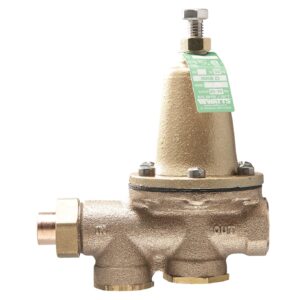
Watts LF25AUB-Z3: This lead-free valve is designed for residential and commercial plumbing systems. It includes an adjustable pressure setting, a stainless steel strainer, a replaceable seat module, and a bypass feature that helps control thermal expansion pressure.
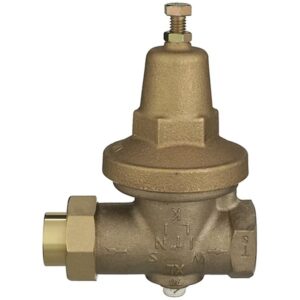
Zurn Wilkins 70XL: The 70XL features a bronze body, an integral strainer, and a replaceable cartridge that can simplify cleaning and maintenance. Zurn states that the valve is designed to conserve water and energy while protecting the plumbing system.
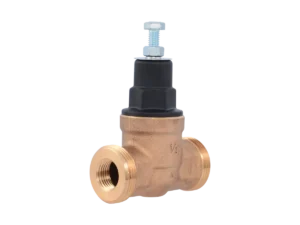
Cash Acme EB45: This lead-free pressure regulator uses a half-cartridge design intended to combine straightforward maintenance with the performance of a cartridge-based valve. It is available in several connection types and sizes for residential plumbing applications.
Before choosing a pressure-reducing valve, have a licensed plumber check your incoming water pressure, pipe size, connection type, available installation space, and local plumbing requirements. Proper sizing and adjustment are important because setting the pressure too low can reduce fixture performance, while leaving it too high may continue to strain your plumbing system.
Water-Efficient Appliances Multiply Your Savings
Your plumbing fixtures are not the only place where you can reduce water use. Older appliances may use far more water and electricity than newer, high-efficiency models.
ENERGY STAR-certified appliances, such as washing machines and dishwashers, can use less water per cycle while still delivering strong cleaning performance.
Because these appliances require a larger upfront investment, replacing a working unit solely for efficiency may not always make financial sense. However, if your washer or dishwasher is aging, inefficient, or already needs frequent repairs, choosing a high-efficiency model can help lower both your water and energy costs over time.
Three Water-Efficient Appliances to Consider
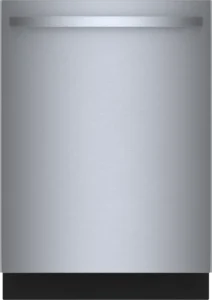
Bosch 800 Series Dishwasher: Bosch 800 Series dishwashers combine efficient cleaning with features such as PrecisionWash, CrystalDry, and quiet operation. Select models are ENERGY STAR certified, making them a strong option for homeowners replacing an older dishwasher.
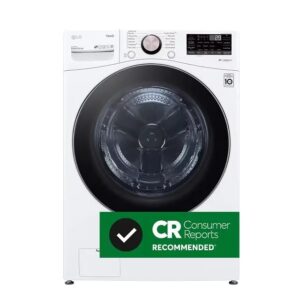
LG WM4000HWA Front-Load Washer: This 4.5-cubic-foot front-load washer is ENERGY STAR certified and includes load-sensing technology, TurboWash 360, and ColdWash settings designed to deliver efficient cleaning.
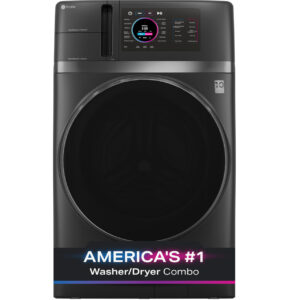
GE Profile UltraFast Combo Washer and Dryer: This ENERGY STAR-certified, all-in-one appliance washes and dries clothes in the same drum. It uses load-sensing water levels and ventless heat pump technology, which may help reduce water and energy use while saving laundry-room space.
Before choosing a new appliance, compare its ENERGY STAR certification, estimated annual energy use, water use per cycle, capacity, dimensions, and installation requirements. Also consider whether the expected utility savings justify replacing your current appliance now or waiting until it reaches the end of its useful life.
How Do You Know Which Upgrade Is Right for Your Home?
Not every water-saving plumbing upgrade delivers the same value in every home. The best choice depends on your current fixtures, how much water your household uses, local utility costs, and how much you are prepared to invest.
Use the table below to identify which upgrades may offer the greatest benefit based on your situation:
Your Situation | Upgrade to Consider | Why It May Help |
Your home has older toilets | High-efficiency toilets | Older toilets may use several gallons per flush, so replacing them can reduce water use quickly |
Your water bill has increased unexpectedly | Leak detection and plumbing repairs | Hidden leaks may be wasting water every day and can create expensive damage if ignored |
Your showers use a large share of household water | High-efficiency showerheads | These fixtures reduce flow while maintaining comfortable water pressure |
Your faucets are older or have high flow rates | Faucet aerators | Aerators are inexpensive, easy to install, and can reduce daily water use |
Your water pressure is unusually high | Pressure-reduce valve | Lowering excessive pressure can reduce waste and protect pipes, fixtures, and appliances |
Your water heater is nearing replacement | High-efficiency or tankless water heater | A more efficient system can reduce the energy required to provide hot water |
Your dishwasher or washing machine is aging | ENERGY-STAR-certified appliances | Modern appliances can use less water and energy per cycle |
Your renovation budget is limited | Aerators and efficient showerheads | These lower-cost upgrades can begin saving water with minimal upfront expenses |
For example, replacing several inefficient toilets may produce greater savings than installing a tankless water heater. In another home, repairing a hidden leak may provide the fastest and most valuable return.
A professional plumbing inspection can help you identify where water is being wasted and prioritize the upgrades that are most likely to reduce costs in your home.
Which Water-Saving Upgrade Should You Choose?
The right water-saving plumbing upgrade depends on your home’s current fixtures, your budget, and where you’re using the most water. Whether it’s installing a high-efficiency toilet, replacing an outdated showerhead, adding smart leak detection, or upgrading your water heater, each improvement can help reduce water waste and lower your monthly utility bills.
If rising water costs, aging plumbing fixtures, or hidden leaks have been frustrating you, you now have a better understanding of which upgrades offer the greatest return on investment and where to start. Even small improvements can add up to meaningful savings over time.
Your next step is to determine whether you need a plumber to make those upgrades or address an issue that’s already costing you money. Read our guide, “Can a Plumber Fix My Issue Today? Same-Day Plumbing Service” to learn which plumbing problems can typically be diagnosed and repaired during a same-day service appointment, so you know what to expect before scheduling a visit.
At Eco Plumbers, Electricians, and HVAC Technicians, we help homeowners throughout our service area reduce water waste, improve plumbing efficiency, and make informed decisions about repairs and upgrades. Whether you’re ready to install a water-saving fixture or simply want expert advice on the best next step, our team is here to help you protect your home while keeping your utility costs under control.
FAQs
Are there rebates or tax credits available for water-saving plumbing upgrades?
Possibly. Many local water utilities, municipalities, and state governments offer rebates for installing WaterSense-labeled toilets, high-efficiency showerheads, smart leak detection systems, and ENERGY STAR-certified appliances. Some heat pump water heaters may also qualify for federal tax credits or utility incentives. Before purchasing new equipment, check with your local utility provider or visit the EPA WaterSense and ENERGY STAR websites to see what incentives are available in your area.
How long does it take for water-saving plumbing upgrades to pay for themselves?
The payback period depends on the type of upgrade, your household's water usage, and local utility rates. Lower-cost improvements, such as faucet aerators and high-efficiency showerheads, may begin paying for themselves within months. Larger investments, such as tankless water heaters or high-efficiency appliances, often take several years to offset their upfront costs through reduced water and energy bills.
Should I replace all my plumbing fixtures at once?
Not necessarily. Unless you're completing a full home renovation, it's often more cost-effective to replace fixtures as they become inefficient, begin requiring repairs, or reach the end of their expected lifespan. Starting with the fixtures that use the most water or contribute the most to your utility bills can provide the greatest return while spreading out the overall investment.