


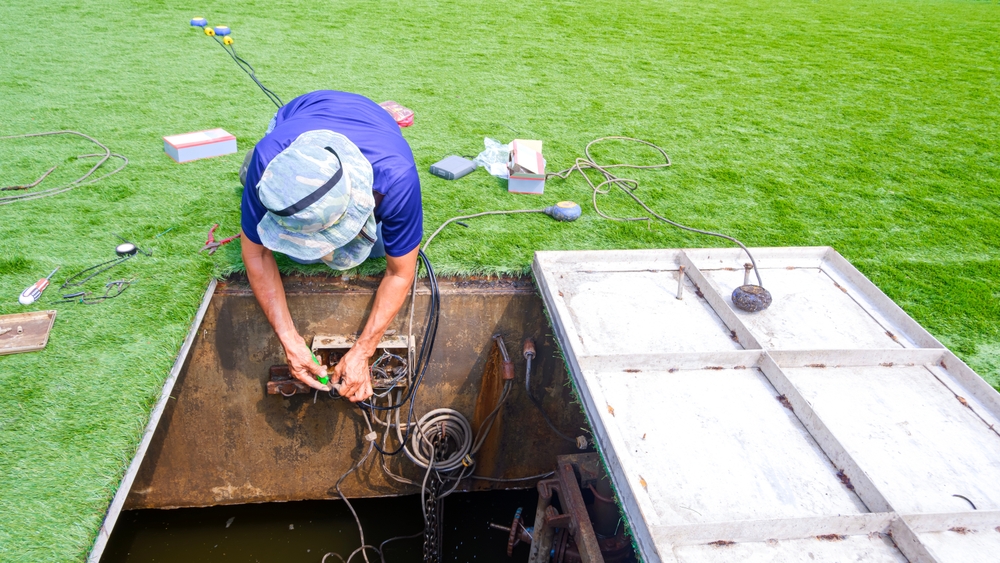
When heavy rain saturates the soil surrounding your foundation, severe hydrostatic pressure forces water through microscopic cracks in your concrete walls. Subterranean drainage systems exist to intercept this groundwater and mechanically eject it away from your basement before it breaches the interior slab. Deciding between a standard grid dependent unit and a dual battery backup system fundamentally alters the physical security of your property. Analyzing the specific factors affecting sump pump cost in Chillicothe dictates the structural integrity of your lowest floor during a severe storm. At Eco Plumbers, Electricians, and HVAC Technicians, our foundational Eco DNA demands that we prioritize total home defense, resource conservation, and maximum mechanical efficiency. We train our technicians at The Eco Plumbers University to engineer drainage solutions that refuse to fail. Let us review the precise mechanical differences, installation variables, and financial metrics comparing standard submersible units against advanced backup configurations.
1. What Are The Mechanical Differences Between Single And Dual Pump Systems?
A standard submersible unit relies completely on your municipal electrical grid to operate its internal motor. When groundwater fills the collection basin, a mechanical float switch triggers the primary motor, pumping the fluid through a discharge pipe and out of the house. A battery backup configuration adds a secondary direct current pump and an industrial grade marine battery to the exact same basin. If the primary alternating current motor fails due to a blackout or a mechanical jam, the secondary unit instantly takes over the pumping cycle without requiring any human intervention. Standard units provide baseline defense during normal weather patterns, but they become totally useless the second you lose electricity. Dual systems eliminate this vulnerability entirely. By maintaining an independent energy reserve, the backup motor keeps your basement completely dry during the most severe grid failures. Upgrading to this dual platform prevents environmental contamination and stops floodwater from ruining your foundation.
2. How Much Capital Is Required To Replace Subterranean Drainage Hardware?
Replacing existing drainage hardware requires calculating the cost of the motor, the check valves, the discharge piping, and the technical labor. The average sump pump installation cost for a basic single motor replacement typically ranges from five hundred to one thousand two hundred dollars. This baseline pricing assumes your existing collection pit and discharge lines remain structurally sound and up to current building codes. If you upgrade to a high capacity battery backup system, the hardware and labor requirements double. Technicians must mount the heavy battery cells, install digital control boards, and route secondary discharge lines to handle the increased fluid volume. This advanced dual setup pushes the total installation price between one thousand five hundred and three thousand dollars. Installing a completely fresh system where no pit currently exists requires heavy concrete excavation and jackhammering, escalating the total capital required to seven thousand dollars or more. We utilize our Trusted Up-Front Pricing Guarantee to present these specific figures in writing before our technicians touch your concrete floor.
3. Which Structural Variables Change The Final Price Of A Basement Upgrade?
The depth of your collection basin and the total vertical distance the water must travel directly dictate the horsepower required to eject the fluid. Pumping water ten feet straight up requires a significantly stronger motor than pumping it four feet horizontally. Upsizing the motor horsepower increases the initial hardware price. Furthermore, local topography changes how technicians must route the exterior discharge lines. If your property slopes back toward the foundation, we must trench a longer discharge pipe deep into the yard to prevent the ejected water from simply draining right back into the basin. Upgrading your electrical panel to handle a dedicated circuit for the primary motor also shifts the final invoice. Sharing a circuit with a heavy appliance causes voltage drops that burn out pump motors prematurely, making a dedicated electrical line a mandatory structural requirement for safe operation. Implementing these structural adjustments allows the machinery to operate at peak efficiency.
4. How Do Severe Storms Expose The Weaknesses Of Grid Dependent Machinery?
Heavy thunderstorms deliver massive volumes of water while simultaneously knocking down electrical utility lines. This combination creates a catastrophic vulnerability for properties utilizing only standard pumps. The specific moment your collection basin fills with thousands of gallons of runoff, the electrical grid drops, leaving your primary motor completely dead. Hydrostatic pressure continues pushing water into the pit, overflowing the basin and flooding your finished basement with contaminated fluid in a matter of minutes. Implementing a secondary battery reserve stops this specific failure. When the digital controller detects a loss of alternating current, it switches to direct current instantly. We back all of our dual installations with a One-Year Make It Happen Guarantee, protecting your mechanical hardware and your physical property. Respecting the environment means keeping contaminated floodwater out of your living space and contained within a controlled drainage grid.
| System Configuration | Energy Source | Blackout Protection | Installation Complexity |
| Standard Pedestal | Municipal AC Grid | Zero Protection | Low physical labor |
| Standard Submersible | Municipal AC Grid | Zero Protection | Moderate plumbing required |
| Battery Backup Combo | AC Grid plus DC Battery | Complete automatic takeover | High technical integration |
| Water Driven Backup | Municipal Water Pressure | Functions during blackouts | Extreme plumbing modification |
5. Does Upgrading Subterranean Flood Protection Generate A Financial Return?
A flooded basement destroys drywall, ruins carpeting, and creates a massive biological mold hazard that requires toxic chemical remediation. People frequently ask, “Is a Sump Pump Worth It?” when looking at the initial capital expenditure of a battery backup system. The math heavily favors the upgrade. Paying three thousand dollars for a dual pump configuration prevents a thirty thousand dollar insurance claim for ruined property and structural foundation repair. A dry basement preserves the structural integrity of your wooden floor joists and keeps your indoor air quality pristine. At Eco Plumbers, Electricians, and HVAC Technicians, our technicians uphold our Property Protection Guarantee by treating your home with absolute respect during the installation. We leave the utility room completely spotless, honoring our Cleaner Than We Found It Guarantee, and providing you with a high performance, eco-friendly defense system against catastrophic flooding.
Securing your foundation against heavy groundwater requires industrial mechanical hardware. A standard submersible motor provides baseline ejection capabilities, but a battery backup system guarantees uninterrupted protection during severe electrical blackouts. Deciding between the two configurations involves evaluating the specific structural variables and hardware requirements of your particular property. Do not wait for a massive storm to reveal the fatal flaws in your subterranean drainage grid. At Eco Plumbers, Electricians, and HVAC Technicians, we utilize hard data and engineering discipline to install systems that protect your assets. Secure your lowest floor and stop the flooding today.
“Stop risking a catastrophic basement flood. Call Eco Plumbers, Electricians, and HVAC Technicians at 740-722-7941 for upfront pricing on a dual pump system today!”
FAQs
1. Why do basement floors in Chillicothe, Ohio, crack when groundwater rises?
Basement floors in Chillicothe, Ohio, crack when groundwater rises because severe hydrostatic pressure pushes upward against the concrete, forcing the rigid slab to bow and fracture under the massive geological weight.
2. How often should a homeowner in Chillicothe, OH, test their battery backup motor?
A homeowner in Chillicothe, OH, should manually test their battery backup motor every three months by disconnecting the primary electrical cord and lifting the float switch to verify the secondary pump engages instantly.
3. Can heavy clay soil in Chillicothe, Ohio, cause a standard motor to burn out?
Yes, heavy clay soil in Chillicothe, Ohio, absorbs and traps massive volumes of water against the foundation, forcing the primary motor to run continuously until the internal bearings overheat and completely seize.