


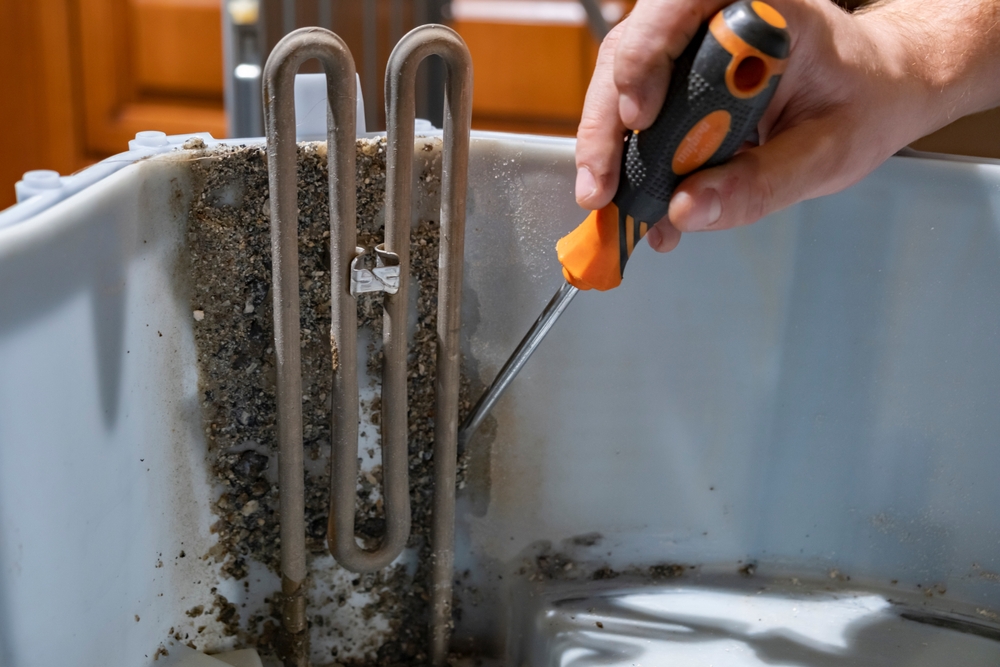
Heating sixty gallons of water inside a sealed metal tank involves high voltage electricity, pressurized combustible fuel, and extreme thermal physics. Attempting mechanical interventions without industrial training puts your life and your property at immediate risk. While basic maintenance like testing a relief valve is safe, executing unverified water heater repair tricks in Chillicothe that internet forums suggest leads directly to catastrophic floods, carbon monoxide leaks, and electrical fires. You must respect the mechanical boundaries of this heavy infrastructure. The combination of water and electricity, or water and combustible fuel, leaves zero margin for technical errors. A single stripped thread on a gas line or a single crossed wire on a thermostat can level a building. At Eco Plumbers, Electricians, and HVAC Technicians, we utilize strict engineering protocols to service these volatile systems safely. Let us examine the specific mechanical failures that demand immediate professional extraction rather than amateur tampering.
1. What Makes A Gas Valve Failure A Lethal Hazard?
A malfunctioning gas valve leaks raw combustible fuel directly into your basement, creating an immediate explosion hazard. The internal gas control assembly regulates the precise flow of natural gas or liquid propane to the main burner. When the internal diaphragm ruptures or the thermopile fails to verify a pilot light, the mechanical valve can stick in the open position. Tampering with this highly sensitive component without calibrated digital manometers will strip the brass threads or compromise the critical gas seal. You cannot rebuild a sealed gas valve on a basement workbench. If you smell raw fuel or the burner assembly refuses to ignite, you must shut off the main gas supply line and evacuate the immediate area. Our technicians replace the entire gas control mechanism using strict factory specifications and verify the combustion seal with electronic leak detectors. We test the incoming gas pressure to confirm it matches the manufacturer requirements precisely, preventing dangerous over-firing scenarios that warp the combustion chamber.
2. What Makes High Voltage Electrical Repairs So Dangerous?
Electric heating units draw massive two hundred and forty volt currents that can cause instantaneous fatal electrocution if handled incorrectly. The internal heating elements and dual thermostats operate under continuous high amperage loads to rapidly heat the dense water volume. When these components short out, they frequently energize the outer metal casing of the tank. If you attempt to swap a burned out heating element without verifying the circuit is completely dead using a digital multimeter, touching the wet metal tank will ground the current through your body. Furthermore, crossing the thermostat wires will cause the elements to run continuously, boiling the internal water until the tank literally blows apart under extreme steam pressure. We isolate the electrical circuits at the main breaker panel before tearing down the high voltage access panels, guaranteeing total physical safety before applying any mechanical tools. We use specialized element wrenches to extract the corroded heating rods without stripping the threads on the steel tank.
3. Why Is a Leaking Tank Physically Impossible to Repair?
A puddle forming at the base of your heating unit indicates the internal steel core has rusted through, making patching or welding structurally impossible. Once the internal porcelain enamel lining fails, raw water oxidizes the steel cylinder instantly. The rust eats through the metal, creating microscopic pinhole fractures that expand under constant thermal pressure. People often consult a water heater troubleshooting guide hoping to find a fast sealant fix, but applying epoxy or external patches to a pressurized vessel is a complete waste of time and capital. The thin, rusted metal cannot hold pressure, and the patch will blow off, flooding your basement with scalding fluid. The only structural solution to a breached internal tank is immediate mechanical removal and total unit replacement. We execute this heavy extraction safely, pulling the compromised tank before the steel seam splits completely and dumps sixty gallons of water onto your floor. We deploy industrial transfer pumps to drain the tank rapidly, removing the immense dead weight without causing secondary water damage to your property.
4. How Do Exhaust Flue Blockages Cause Carbon Monoxide Poisoning?
A blocked or improperly pitched exhaust pipe traps lethal, odorless carbon monoxide gas inside your home instead of venting it outdoors. Gas heating systems rely on precise atmospheric drafting to carry toxic combustion byproducts away from the burner assembly. If a bird builds a nest in the flue, or if the metal pipe gets bumped and loses its strict upward pitch, the exhaust gas spills backward out of the draft hood and fills your utility room. You cannot use standard duct tape to seal a drafting pipe, and you must never alter the diameter of the flue without running strict combustion calculations. Reviewing common water heater repairs reveals that exhaust venting requires rigid mathematical calibration to guarantee a proper thermal updraft. We utilize digital combustion analyzers to test the oxygen and carbon monoxide ratios exiting the pipe, guaranteeing your ventilation infrastructure is completely secure. We secure all metal joints with high temperature foil tape and structural screws, preventing any toxic leakage during the heating cycles.
5. Why Does a Failed Thermostat Result in Zero Thermal Output?
When the temperature sensing probe fails to read the internal water temperature, the master control board locks the entire system down to prevent boiling the tank. If you are researching no hot water? Here’s why, the internal thermostat is often the primary culprit. On gas units, the thermostat probe sits submerged inside the tank, signaling the gas valve when to open and close. On electric units, the surface thermostat rests against the steel wall, clicking the high voltage heating elements on and off.
| Failed Component | Mechanical Symptom | Extreme Physical Hazard | Required Action |
| Gas Control Valve | Smell of raw fuel | Combustible explosion | Shut off main gas line |
| Surface Thermostat | Runaway water heating | Severe scalding burns | Cut breakers immediately |
| T&P Relief Valve | Constant water dripping | Pressurized tank rupture | Call for technical support |
| Exhaust Flue Pipe | Spilling combustion gases | Carbon monoxide poisoning | Evacuate the property |
When these sensors degrade, they either fail to trigger the heating cycle, leaving you with ice cold water, or they fuse closed, causing a dangerous runaway heating event. Attempting to bypass a broken thermostat completely disables the safety limits of the machine. We extract the faulty sensors and install calibrated replacements, testing the high limit cutoff switches to guarantee the unit shuts down at one hundred and twenty degrees. This precise calibration prevents scalding injuries at your faucets and stops the tank from generating critical steam pressure.
Attempting to repair a volatile piece of mechanical infrastructure without the proper tools and training leads to catastrophic physical consequences. Heavy electrical loads, highly pressurized water, and combustible natural gas require absolute technical discipline to handle safely. A rusted tank, a blown gas valve, or a malfunctioning thermostat are not weekend projects; they are severe mechanical failures that demand an immediate industrial response. At Eco Plumbers, Electricians, and HVAC Technicians, we rely on hard data and digital diagnostics to repair or replace your heating hardware. Protect your physical assets and keep your family safe by trusting your mechanical systems to technicians who operate with strict engineering standards.
“Stop risking an electrical fire or gas leak. Call Eco Plumbers, Electricians, and HVAC Technicians at 740-722-7941 to book your system assessment and secure safe hot water today.”
FAQs
1. Why do storage tanks in Chillicothe, Ohio, rust so rapidly?
Storage tanks in Chillicothe, Ohio, rust rapidly because heavy mineral deposits in the local groundwater accelerate the deterioration of the internal protective anode rod, leaving the raw steel exposed to moisture.
2. How often should a homeowner in Chillicothe, OH, test their pressure relief valve?
A homeowner in Chillicothe, OH, should test their pressure relief valve manually once a year to confirm the spring mechanism operates correctly and prevents catastrophic pressure accumulation.
3. Can a homeowner in Chillicothe, Ohio, change a gas burner assembly safely?
A homeowner in Chillicothe, Ohio, should never attempt to change a gas burner assembly because an improper installation creates a severe combustible gas leak and a fatal carbon monoxide hazard inside the residence.