


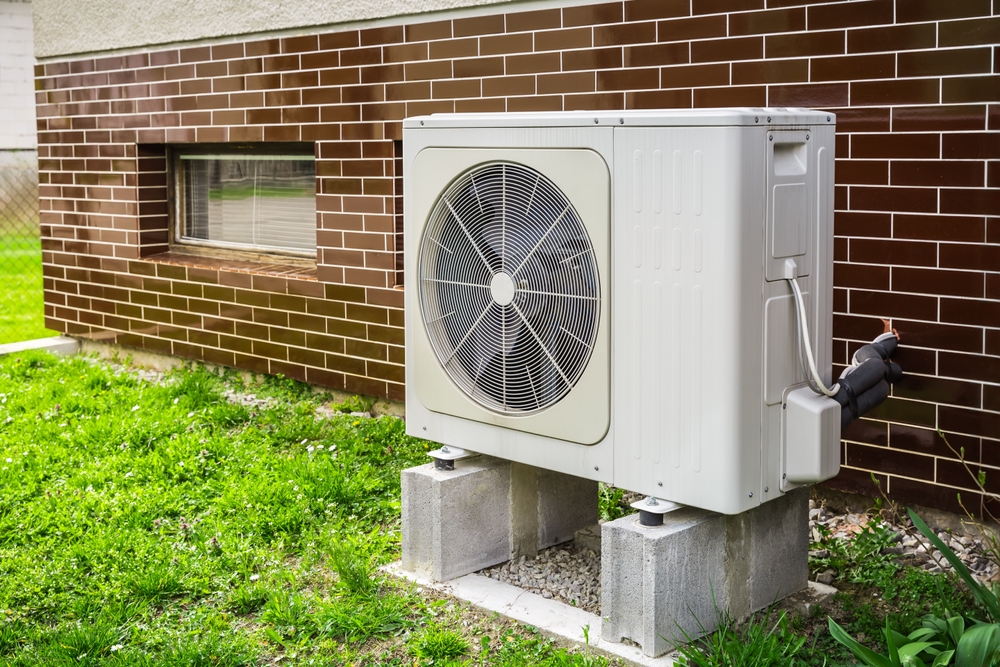
Thermodynamics does not care about sentimentality. A heat pump acts as a mechanical heat exchanger moving thermal energy between your living space and the exterior atmosphere. When internal components wear down, energy consumption surges while thermal output drops rapidly. Property owners facing frequent system faults often make emotional decisions instead of crunching the hard numbers. When evaluating a heat pump repair vs replacement in Chillicothe, OH, calculating the precise mathematical break-even point separates smart asset management from continuous financial loss. We analyze HVAC systems using raw mechanical data, thermal efficiency metrics, and cumulative operational costs. If your existing setup requires constant electrical current just to maintain baseline interior temperatures, you are throwing capital down a drain. Calculating when a modern system pays for itself gives you complete control over your home energy infrastructure.
1. Operational Lifespan and Thermal Degradation Cycles
Heat pumps endure constant operational stress because they work year-round. They deliver cooling during humid summer months and reverse refrigerant flow to provide heating throughout cold winters. This continuous operation subjects compressors, reversing valves, and fan motors to double the mechanical wear of a standard single-season air conditioner. Over a ten-year cycle, internal copper coils suffer from micro-corrosion, fan motor bearings lose lubrication, and compressor valves lose their tight seal. As mechanical tolerances degrade, the unit requires significantly more electrical input to move the exact same volume of heat. According to building science data, heat pumps lose up to two percent of their baseline efficiency for every year of uncalibrated operation. Continuing to push an aging system past its engineered lifespan turns your utility bill into a compounding liability.
2. Diagnosing Recurring Defects and Mechanical Strain
When a climate system begins to fail, the warning signals show up directly in your monthly energy bills and operational stability. Recognizing common heat pump problems allows you to clarify if a unit is reaching total mechanical failure. A reversing valve stuck in cooling mode leaves your home freezing during winter, while a leaking line-set starves the compressor of vital lubrication and generates extreme internal friction. Replacing individual electrical contactors or capacitors falls under standard service protocols, but when major components like the scroll compressor or heat exchanger matrix break down, repair costs multiply. Patching a failing system repeatedly without calculating cumulative expenses creates a continuous drain on your finances. We run electrical diagnostics and pressure tests to confirm if your system can recover baseline efficiency or if internal wear is irreversible.
3. Financial Evaluation and The 50 Percent Engineering Rule
Determining the precise break-even threshold requires comparing immediate repair expenditures against long-term operational efficiency gains. A proven industry standard is the fifty percent engineering rule. If the cost of an immediate repair multiplied by the age of the unit exceeds the cost of a modern system replacement, replacement is mathematically superior. The decision matrix below highlights how mechanical factors dictate the proper operational strategy.
| System Condition Metric | Component Repair Strategy | System Replacement Strategy |
| Equipment Age | Under 8 Years Old | Over 10 to 12 Years Old |
| Efficiency Standard | High Baseline (15+ SEER) | Low Baseline (Under 13 SEER) |
| Compressor Integrity | Fully Operational | Overheating or Valve Failure |
| Energy Draw Trend | Stable Amperage Baseline | Spike in Utility Bills |
| Financial Formula | Cost < 30% System Value | Cost > 50% System Value |
Applying this structured financial matrix prevents wasteful spending on obsolete machinery that will inevitably fail during peak seasonal demands.
4. Seasonal Performance Metrics and System Care Protocols
Modern heat pumps utilize advanced variable-speed inverter compressors and high-efficiency thermal ratings to maximize energy transfer. Upgrading from an older unit to a modern setup cuts electrical consumption by thirty percent during active heating and cooling cycles. Knowing how to maintain your heat pump through regular coil cleaning, air filter replacement, and static pressure checks keeps high-efficiency equipment operating at peak design standards. However, even consistent servicing cannot overcome the physical limits of an obsolete single-stage compressor. Modern variable-speed systems adjust output in micro-increments, matching household heating demand without the massive electrical inrush currents caused by older on-off systems. This reduced energy draw accelerates your break-even timeline, turning monthly energy savings into direct return on investment.
5. Strategic Calibration and Infrastructure Upgrades
Executing a system replacement requires precise calculation of ductwork static pressure, electrical bus bar capacity, and home thermal envelope metrics. Installing a high-efficiency unit onto restrictive duct channels creates immediate airflow bottlenecks that destroy equipment efficiency before it even starts. We evaluate your complete air distribution system, calibrating static pressure differentials to verify that your home air volume matches equipment output. Our field technicians operate under our Trusted Up-Front Pricing Guarantee, establishing project parameters before a single tool touches your property. Through our EcoFi Advantage Membership, homeowners receive priority scheduling, biannual performance evaluations, and exclusive system savings. Furthermore, our Cleaner Than We Found It Guarantee and One-Year Make It Happen Guarantee protect your physical property throughout the entire installation.
Calculating the break-even point for a heat pump replacement is a matter of clear financial logic and physical data. Continuing to fund expensive repairs on an obsolete, energy-draining unit wastes valuable capital while leaving your property vulnerable to sudden system meltdowns. By evaluating equipment age, cumulative repair costs, and thermal performance ratings, you gain total clarity on when replacement becomes the most profitable choice. Upgrading to a modern variable-speed heat pump stabilizes interior comfort, drops monthly electrical draw, and protects your long-term building equity. Demand precise engineering calculations for your climate control system and secure dependable energy today.
“Protect your home energy budget! Call Eco Plumbers, Electricians, and HVAC Technicians at 740-722-7941 for upfront pricing and certified system diagnostics today.”