


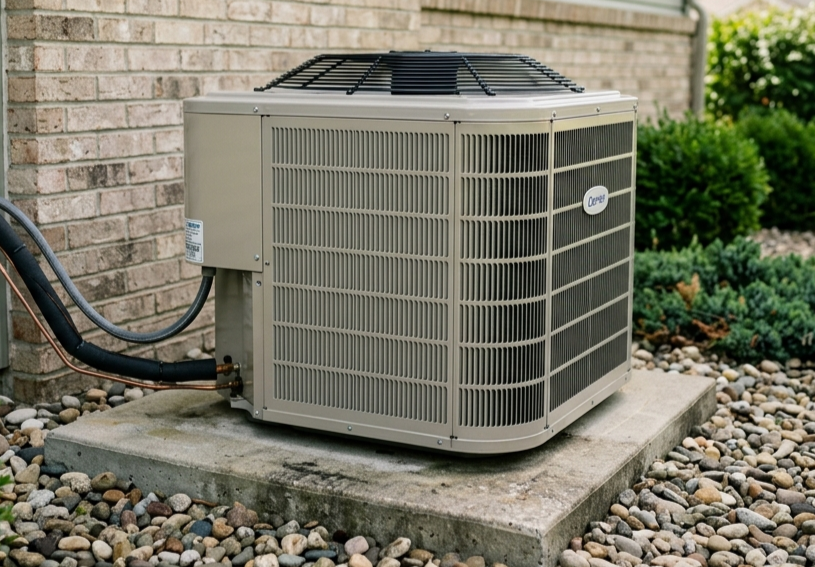
Thermodynamics dictates that residential cooling operates on continuous, calculated mechanical cycles. When a climate control system starts up, blasts cold air for three minutes, and abruptly shuts down, the engineering has failed. We call this short-cycling. It is an operational malfunction that destroys compressors, burns out contactors, and spikes monthly electrical consumption. Air conditioning hardware requires time to extract ambient moisture from your interior space. A machine rapidly switching states cannot perform this vital dehumidification task, leaving your indoor environment cold and sticky. Operating on blind assumptions when dealing with high-voltage machinery is a severe miscalculation. Analyzing common AC issues in Chillicothe requires hard diagnostic data. By isolating the mechanical faults forcing your system to abort its cooling cycle prematurely, we prevent complete component breakdowns and restore absolute thermal stability to your property.
1. The Physics of Thermal Load and Oversized Machinery
Evaluating structural load metrics forms the foundation of proper climate engineering. A massive percentage of residential cooling systems suffer from over-sizing. Installing a five-ton compressor on a house that requires only three tons of cooling capacity creates an immediate thermal bottleneck. The oversized hardware drops the indoor ambient temperature so rapidly that the thermostat signals a shut-down command long before the evaporator coil has time to pull humidity out of the air. This forces the system into an endless loop of rapid starts and stops. According to Department of Energy data, starting a compressor draws up to three times more electrical current than running it continuously. Forcing that massive electrical draw every ten minutes overheats internal windings and degrades the starting capacitor. We calculate precise British Thermal Unit requirements using strict Manual J load parameters. This physical data aligns machinery output with your actual square footage. We do not guess. We match compressor capacity directly to the thermal envelope of your building, eliminating the primary variable that causes premature mechanical failure.
2. Airflow Restrictions and Evaporator Coil Freezing
Airflow volume acts as the lifeblood of thermal transfer. When the blower motor pushes ambient air across the indoor evaporator coil, it requires a specific cubic feet per minute metric to function safely. If you block that airflow with a heavily saturated air filter or collapsed return ducts, the internal physics break down immediately. Without sufficient warm air passing over the cold copper tubing, the internal refrigerant temperature plummets below freezing. Condensation instantly turns to solid ice across the aluminum fins. As the ice block grows, it chokes off all remaining airflow. The compressor outside continues pumping, but safety limit switches detect the massive temperature drop and force an emergency shutdown. Paying attention to signs your AC needs repair saves your system from catastrophic compressor lockups. A frozen coil thaws, drips water over your furnace control board, and signals the unit to turn back on, repeating the destructive cycle. We utilize anemometers to measure static pressure differentials across your ventilation channels, isolating the physical barrier restricting your air supply.
3. Refrigerant Leaks and Pressure Drops
A cooling system operates as a closed, pressurized circuit. It does not consume refrigerant. If the internal pressure drops, a physical breach exists in the copper line set. Low refrigerant levels cause the low-pressure safety switch to trip, shutting the machine off to protect the compressor from burning up. As pressure equalizes, the switch resets, and the system attempts to run again. Operating a system under low pressure starves the compressor of vital lubrication and cooling. This mechanical friction creates excess heat, tearing apart internal bearings. We deploy electronic sniffer tools and ultraviolet leak detection protocols to pinpoint microscopic fractures in the brazed joints.
| System Fault | Mechanical Symptom | Diagnostic Tool Required | Repair Protocol |
| Saturated Air Filter | Blower motor overheats | Static pressure gauge | Swap filter and clear return |
| Low Refrigerant Charge | Rapid low-pressure switch trips | Electronic sniffer | Seal copper fracture and recharge |
| Oversized Compressor | Fast temperature drop, high humidity | Manual J load calculation | Re-engineer system capacity |
| Faulty Run Capacitor | Humming noise, failed compressor start | Digital multimeter | Replace electrical components |
4. Electrical Control Failures and Thermostat Calibration
High-voltage electrical transmission requires absolute precision. A degraded contactor, a failing run capacitor, or a miscalibrated thermostat instantly causes erratic cooling cycles. The thermostat acts as the brain of your climate control network. If it sits too close to a supply register, it receives a blast of cold air and prematurely aborts the cycle. This sensory error forces the compressor into a destructive holding pattern. Following basic AC repair safety tips means you never attempt to test high-voltage capacitors or dual-pole contactors without certified diagnostic equipment. These components hold lethal electrical charges long after the disconnect switch is pulled. Our technicians arrive equipped with digital multimeters to measure microfarads and verify electrical continuity across the entire circuit board. We locate corroded terminals and faulty sensors, swapping them out to restore clean communication between the thermostat and the outdoor condensing unit. We protect your property from electrical fires by refusing to cut corners on diagnostic testing.
5. Strategic System Fortification and Solid Guarantees
Operating an advanced mechanical network requires constant structural reinforcement. We bring highly calibrated engineering solutions to your doorstep, backed by absolute accountability. Through the EcoFi Advantage Membership, property owners receive priority scheduling, annual system checks, and exclusive discounts that maintain peak thermal efficiency year after year. We analyze your machinery and present the data clearly. Our Trusted Up-Front Pricing Guarantee means you review the total financial parameters before a single wrench is turned. We staff our operations using strict protocols, leaning on our Trusted Employee Guarantee and Professional Team Guarantee to deliver superior results. We respect your physical property, enforcing a strict Property Protection Guarantee and a Cleaner Than We Found It Guarantee on every site. If your system fails to meet operational standards, our No Lemons Guarantees and One-Year Make It Happen Guarantee offer total protection for your investment. We build structural stability into every repair, defending your home against extreme weather shifts and unexpected mechanical failures.
A cooling system constantly turning on and off signals a critical mechanical failure. Short-cycling destroys compressors, wastes massive amounts of electricity, and leaves indoor spaces completely uncomfortable. By calculating thermal loads, analyzing static pressure, and testing electrical integrity, we isolate the precise physical defect causing the malfunction. Operating on blind assumptions ruins expensive residential machinery. We utilize hard engineering data to restore factory-level performance to your climate grid. Ignoring these operational warnings leads directly to catastrophic component breakdown and massive utility bills. Protect your physical infrastructure today by securing certified technical diagnostics. Demand permanent engineering solutions for your entire home.
“Stop running broken machinery. Call Eco Plumbers, Electricians, and HVAC Technicians at 740-722-7941 for hard data and permanent climate solutions today!
FAQs
1. Why do outdoor units in Chillicothe, OH freeze up during summer months?
Air filters get clogged by heavy dust in Chillicothe, OH, restricting warm airflow and causing internal coil temperatures to drop below freezing.
2. How often should homeowners in Chillicothe, OH replace their system filters?
Properties in Chillicothe, OH, require fresh filters every thirty to sixty days to maintain proper static pressure and prevent mechanical overload.
3. Can extreme humidity in Chillicothe, Ohio cause cooling units to shut down?
Yes, severe humidity in Chillicothe, Ohio, overloads undersized condensate drains, tripping safety switches that shut off the machine to prevent indoor flooding.