


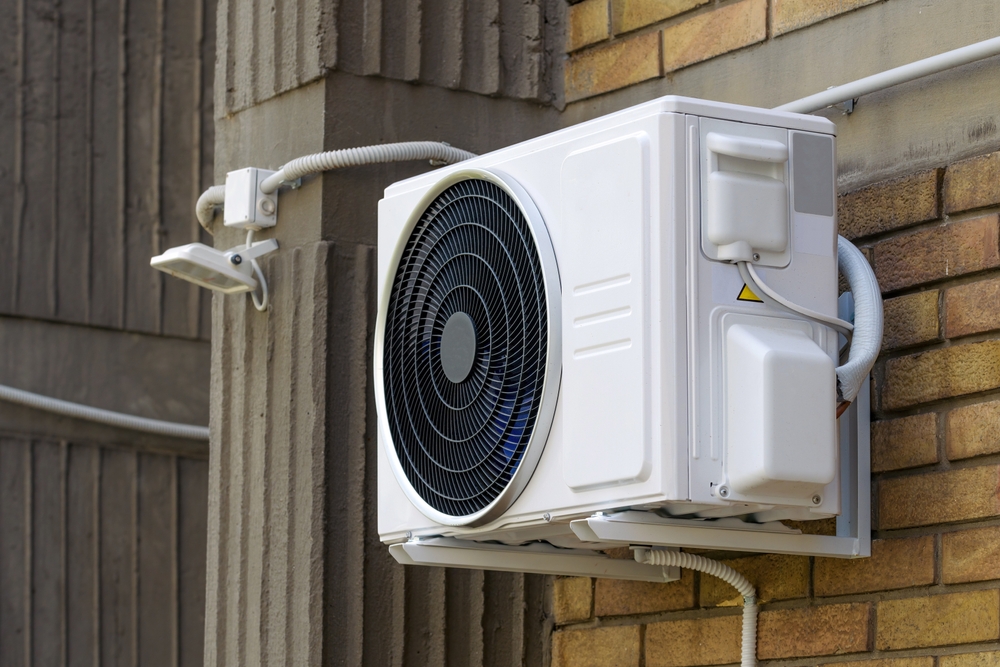
Some rooms just never cooperate, the bonus room over the garage that bakes in July, the finished basement that stays clammy, the addition the old ductwork never reached. That is the exact problem ductless mini-split systems in Cincinnati, Ohio, were built to solve, since they heat and cool a specific space on their own without you tearing open walls to run new ducts. No ducts, no big remodel. Just a small unit outside, a head inside, and a line running between them. Here is how the whole thing actually works, and how to tell whether it fits your house.
1. How a System With No Ducts Even Works
A ductless system skips the whole duct network and delivers the air right where you actually want it. Outside sits a compressor, and inside you mount one or more slim heads, linked by a refrigerant line and a control wire that run through a hole about three inches across. Because it is a heat pump, the same unit both cools in summer and heats in winter, and the newer cold-climate models hold their own even on a hard, single-digit Ohio night when older heat pumps would tap out. Each indoor head runs on its own thermostat, so you condition only the rooms you are actually using instead of the whole house at once. The indoor heads come in a few shapes too, wall-mounted is most common, but there are ceiling cassettes and floor units for rooms where a wall mount will not work. And with no ducts to leak into the attic, you skip the twenty-plus percent of energy a typical duct system loses on the way.
2. Getting It Put In Right
When you look up mini split installers near me, the quality of the crew matters far more than the brand stamped on the box. A good installer sizes each zone properly, places the heads where the air will actually circulate, and routes the line set clean instead of draping it across the wall. The make-or-break steps are the ones you never see, torquing the flare connections so they do not leak, pulling a deep vacuum, and charging to spec. They also set the condensate up to drain, either by gravity or a small pump, so it does not dribble down your siding. Getting each head sized to its room also keeps an inverter compressor running smooth and efficient instead of cycling hard. A rushed install is exactly why some folks think mini splits are unreliable, when really it was the install that failed them.
3. When One Needs a Look
Mini splits are dependable, but nothing runs forever completely untouched. Most searches for air conditioning service and repair near me on a ductless system trace back to a refrigerant leak at a flare fitting, a clogged condensate line, or a blower wheel packed with grime. That last one is common and overlooked, since the little fan wheel inside the head collects dust and grows mold, which is exactly where that musty smell comes from. A good tech pulls the head apart and deep-cleans it, rather than just rinsing the filter and calling it done. Control boards and sensors fail once in a while too, though far less often than the flare fittings and drains do. Catch a small refrigerant leak early and it stays a small repair, ignore it and you are staring at a starved compressor.
4. The Upkeep People Forget
The nice thing about a mini split is that a lot of the a/c service you can handle yourself. Pop the front cover, slide out the washable filters, rinse them in the sink, and let them dry, about once a month during heavy use. That one small habit keeps the airflow strong and heads off half the problems before they even start. Once a year, have a pro deep-clean the coil and blower wheel, check the charge, and clear the drain line, the parts that really need tools and know-how. Keep the outdoor unit clear of leaves and snow drifts too, since it is working out there year-round in a Cincinnati winter. That washable filter is the single biggest thing standing between you and a musty, weak-blowing head.
5. Is It the Right Call for Your House?
A ductless system is not the right answer for every single home, but for the right situation it is hard to beat. If you have an addition, a converted attic or garage, a sunroom, or one room that is always the wrong temperature, this is often the cleanest fix there is. It is also a strong move for older Cincinnati homes that never had ductwork and would cost a small fortune to retrofit with it now. The tradeoff is a higher upfront cost per zone than a window unit, though the efficiency and the year-round comfort usually earn it back over time. A single outdoor unit can run several heads, so you can add zones one room at a time as the budget allows. If you are heating and cooling one troublesome space, very few things do it better, or quieter.
A ductless mini split fixes the room a central system never could, quietly, efficiently, and without a single new duct run. The catch is that it only performs as well as the crew that sizes and installs it, which is exactly where the right company earns its keep. Aaron Gaynor built his around that kind of careful work, rebuilding from bankruptcy on a borrowed fifty dollars and the belief that the trades saved his life. That same standard carries through Eco Plumbers, Electricians, and HVAC Technicians, with the workmanship taught at Eco Plumbers University behind every heating, cooling, and electrical job. When one room refuses to cooperate, that is exactly the team to put on it.
“Got one room that’s always too hot or cold? A mini split fixes that. Call Eco Plumbers, Electricians, and HVAC Technicians at 614-665-5400.”
FAQs
Q1: How much does a ductless mini split cost in Cincinnati, OH?
In Cincinnati, OH, cost depends on how many zones you need, the head types, and the install complexity, so a single-zone system is far cheaper than a multi-head setup. The upfront price runs higher than a window unit, but the efficiency and year-round heating and cooling tend to earn it back over time.
Q2: Do ductless mini splits work in cold Cincinnati winters?
For homeowners in Cincinnati, OH, yes, modern cold-climate models keep heating well into single-digit temperatures, which older heat pumps could not. They pull heat from outside air even when it is cold. For the harshest snaps, sizing the system correctly for the space is what keeps it comfortable.
Q3: How often should I clean my mini split in Cincinnati, OH?
Around Cincinnati, OH, rinse the washable filters about monthly during heavy use, which prevents most airflow and odor problems. Once a year, have a pro deep-clean the coil and blower wheel, check the refrigerant charge, and clear the drain, since the blower wheel collects mold that a filter rinse won’t reach.