


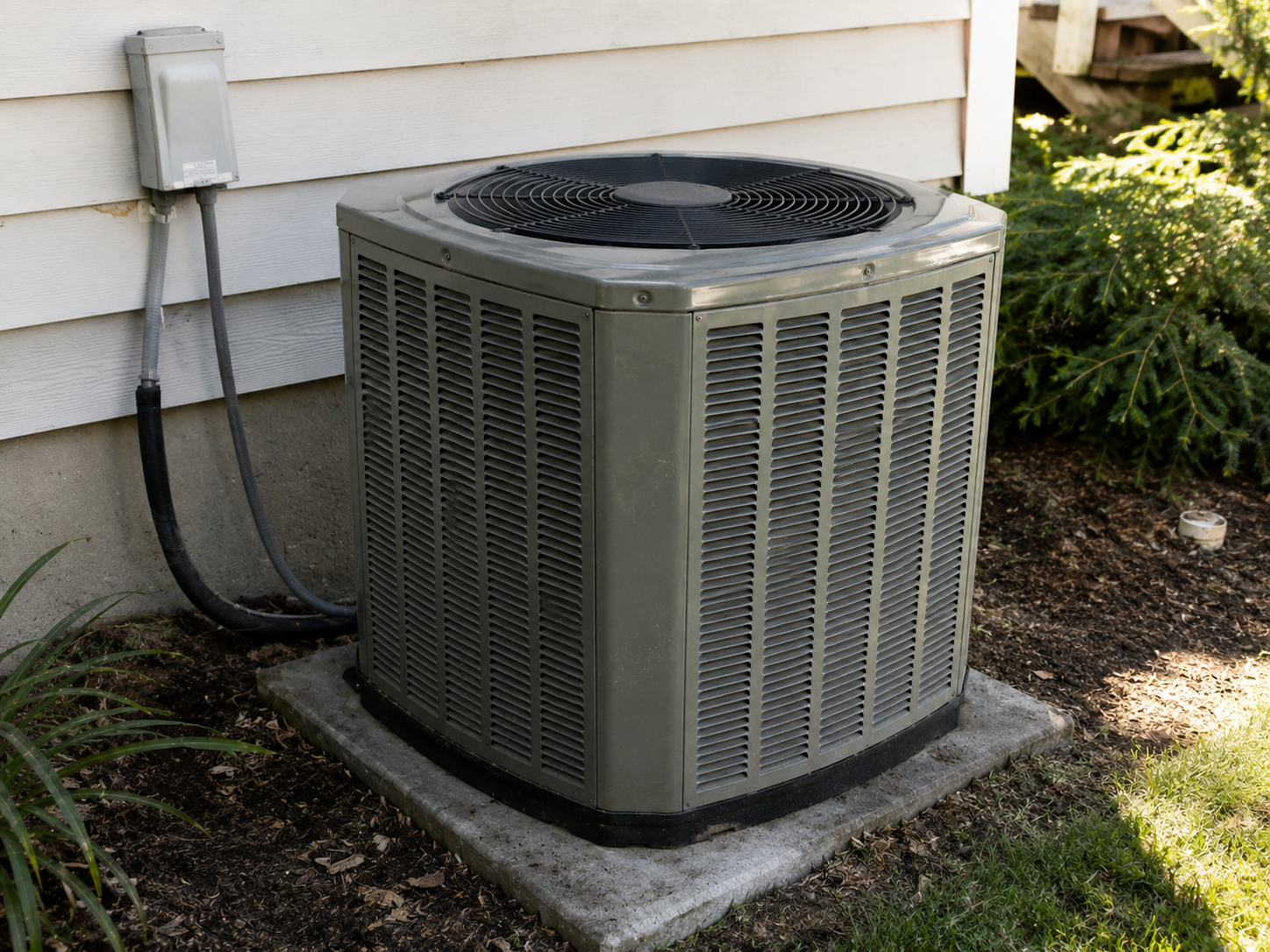
A Dublin house has to handle both ends of the year, sticky August afternoons and the kind of January cold that finds every draft, and one system carries all of it. So while a clean ac installation in Dublin, Ohio, gets you through summer, the bigger question for most homeowners is knowing when to repair what you have, when to replace it, and who to actually trust with either one. The equipment is only half of it. The crew you call is the other half. This guide walks through both, minus the sales pressure, so you know what to expect before anyone rings the doorbell.
1. Where Heating and Cooling Actually Break Down
Most repair calls fall into a short list you could almost predict by the season. In summer, it is a failed capacitor, a low refrigerant charge icing up the coil, or a condenser fan that simply quit. In winter it is a furnace that lights and then drops out on a dirty flame sensor, a cracked heat exchanger that has to be replaced for safety, or a blower motor that gave up. A heat pump brings its own quirks on top of all that, a stuck reversing valve, a defrost cycle gone sideways, or auxiliary heat strips that kick on and spike the bill. A tripped breaker or a thermostat with dead batteries fools people into thinking the whole system died, when it is a two-minute fix. Knowing which season breaks what helps you describe the problem and spot a tech who actually knows the difference.
2. Fixing What You’ve Got
Good hvac repair in Dublin, Ohio, starts with a real diagnosis, not a guess and a parts cannon. A solid tech traces the actual cause, so a system low on refrigerant gets its leak found and fixed instead of just topped off one more time. On the heating side, safety comes first, since a cracked heat exchanger or a bad combustion problem is a carbon monoxide risk, not only a comfort one. The best techs carry the common failure parts right on the truck, so a dead capacitor or a bad flame sensor gets handled on the same visit. It also helps if the diagnosis fee rolls into the repair, which the fair shops usually offer. Ask up front whether they handle both heating and cooling well, because plenty of outfits really only know one side.
3. The Ductless Route
For a bonus room, a finished attic, or an addition the ducts never reached, a mini split solves what a central system cannot. A mini split installation in Dublin, Ohio, puts a slim head on the wall and a small unit outside, and because it is a heat pump, it both heats and cools that space on its own thermostat. The install runs a line set through a small, sealed wall penetration, then the whole system gets vacuumed down and charged to spec like any other refrigerant setup. Done right, the flare connections are tight and the condensate actually drains, which happen to be the two spots a lazy install gets wrong. One outdoor unit can even feed several indoor heads, so you can zone a few rooms without tearing open walls for ductwork. It is efficient, quiet, and it stops you from overworking the whole house just to fix one stubborn room.
4. Finding a Crew Worth Trusting
When you search “best HVAC service near me” in a pinch, the star ratings only ever tell you part of the story. What actually matters is whether they are licensed and insured, whether the techs are trained and certified, and whether the price is clear before the wrench even comes out. A company that shows you who is coming, stands behind the work, and does not fear-sell a whole new system over a small repair is one worth keeping. Watch how they handle the diagnosis, since the honest ones explain what failed and why, in plain language you can follow. A written estimate you can actually read beats a number scribbled on the back of a card every time. Cheapest is rarely the right answer, and neither is whoever runs the biggest ad.
5. Two Tune-Ups a Year, Not Zero
A Dublin home really wants two tune-ups a year, not the zero that most systems actually get. In spring, the tech cleans the condenser coil, checks the refrigerant charge, clears the drain, and tests the capacitor before the summer heat ever hits. In the fall, they inspect the heat exchanger, clean the flame sensor, and confirm the whole thing burns and vents safely before winter arrives. Change the filter on a real schedule between visits, since a clogged one is behind more breakdowns than anything else on the list. That fall check matters more than people give it credit for, since a heating system that sat idle all summer can hide a problem until the first cold night. Add carbon monoxide detectors near any gas appliance, because that is the one failure you simply cannot afford to miss.
Heating and cooling is really one job spread across two seasons, and the homeowners who stay comfortable are the ones who repair smart, replace when it makes sense, and keep up with the tune-ups. The equipment matters, sure, but the crew you trust with it matters more. Aaron Gaynor built his company on being that crew, coming back from bankruptcy on a borrowed fifty dollars and the belief that the trades saved his life. That belief still runs through Eco Plumbers, Electricians, and HVAC Technicians, where the standards taught at Eco Plumbers University back every heating, cooling, and electrical call. When your comfort is on the line, in July or in January, that is exactly who you want on the way.
“Heat or AC acting up in Dublin? We fix both, and fast. Call Eco Plumbers, Electricians, and HVAC Technicians at 614-665-5400 for top-rated repair.”
FAQs
Q1: How often should I service my heating and cooling system in Dublin, OH?
In Dublin, OH, twice a year is the rule: an AC tune-up in spring and a heating check in fall. Spring cleans the coil and checks the charge before summer; fall inspects the heat exchanger and flame sensor before winter. Two visits catch small problems before they become cold-night emergencies.
Q2: What are common heating repairs in Dublin, OH?
For homeowners in Dublin, OH, winter calls often involve a dirty flame sensor that shuts the furnace down, a failed igniter or blower motor, or a cracked heat exchanger, which is a safety issue and gets replaced. Heat pumps can have a stuck reversing valve or defrost trouble. Many are quick, affordable fixes.
Q3: Is a mini-split a good option for a room in Dublin, OH?
Around Dublin, OH, yes, especially for additions, attics, or rooms the ducts never reached. A ductless mini split heats and cools that space on its own thermostat, runs efficiently, and avoids overworking the central system. One outdoor unit can serve several indoor heads for simple zoning.